How to Navigate Trends Shaping the Steel Sheet Industry?

Time:2026-10-14 Author:Aria
0%

The question “what trends are shaping the steel sheet industry” now reaches far beyond production volume. It includes decarbonisation, electric vehicles, construction demand, digital manufacturing, and stricter product traceability. According to the World Steel Association’s World Steel in Figures 2024, global crude steel production reached approximately 1.89 billion tonnes in 2023. That scale shows the industry’s importance. It also exposes its environmental pressure. The International Energy Agency estimates that steelmaking produces around 7% to 9% of global energy-related carbon dioxide emissions.

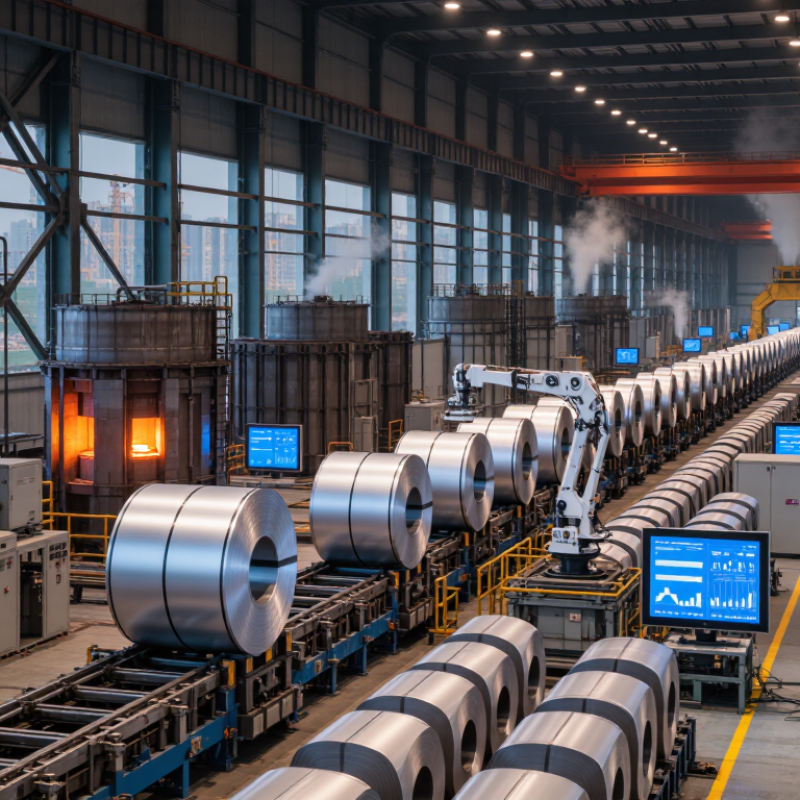
The market is changing visibly. A coil enters a processing line, passes through automated inspection, and leaves with tighter thickness control. Meanwhile, buyers increasingly request lower-carbon steel, recycled content, and verified supply-chain data. Electric arc furnaces, hydrogen-based reduction, and renewable power are becoming strategic topics, although costs and infrastructure remain serious barriers. “Steel is at the heart of the modern world,” Lakshmi Mittal has said. His observation remains relevant, but it needs a modern qualification: steel must support development without ignoring climate responsibility.

Demand signals are also uneven. The International Energy Agency expects steel demand to keep growing over the long term, especially through infrastructure and clean-energy technologies. Yet regional construction slowdowns can quickly weaken sheet prices and mill utilisation. No forecast is flawless. Companies should test assumptions against energy costs, import exposure, customer specifications, and technology readiness. The most resilient strategy combines practical plant experience with reliable data, transparent reporting, and careful scenario planning. That is how manufacturers and buyers can navigate a sector changing beneath their feet.
How to Navigate Trends Shaping the Steel Sheet Industry?

Understanding the Steel Sheet Industry and Its Core Market Forces

Steel sheet markets are shaped by demand, production costs, and policy pressure. World Steel Association data shows global crude steel production reached about 1.84 billion tonnes in 2024. This huge base supports construction, vehicles, appliances, and energy equipment. Yet sheet demand does not move evenly. A weak housing market can reduce coated sheet orders, while grid investment may lift electrical steel consumption.

Input costs remain decisive. Iron ore, coking coal, electricity, freight, and scrap can change margins within weeks. The International Energy Agency reports that steelmaking contributes roughly 7% of global energy-related emissions. This makes lower-emission production more important, especially for buyers with strict procurement targets. However, cleaner production can involve higher costs and limited supply. That tension is real.

Trade flows add another layer. OECD analysis has repeatedly warned about substantial global steel overcapacity, which can pressure prices and encourage defensive trade measures. Buyers should compare thickness tolerances, coating mass, surface quality, lead time, and service reliability—not price alone. In practical purchasing work, a cheaper coil can become expensive after slitting losses, rework, or delayed delivery. Forecasts can still fail. A sudden construction slowdown or energy-price shock may overturn a careful plan. The better approach is continuous review, using supplier records, inventory signals, and verified industry data.

How to Navigate Trends Shaping the Steel Sheet Industry?

Global steel demand by end-use sector, 2023

Construction remains the largest demand driver for steel products, while machinery, automotive, metal products, appliances, and electrical equipment create additional opportunities for coated, high-strength, and precision steel sheet. Source: World Steel Association, global steel use by end-use sector estimates.

Identifying the Major Trends Reshaping Steel Sheet Production

Steel sheet production is changing under pressure from carbon targets, energy costs, and demanding end users. Lower-emission steelmaking is becoming a practical purchasing factor, not merely a public statement. Producers are increasing scrap use and testing hydrogen-based reduction methods. However, scrap quality varies, and contamination can affect surface finish. The numbers deserve verification.

Electrification is also reshaping product design. Automakers and equipment manufacturers need thinner sheets with higher strength. Advanced high-strength grades can reduce weight, but forming windows become narrower. Small temperature changes may cause cracking or springback. Process engineers now combine laboratory trials with live mill data before approving a new grade. That step prevents expensive rework.

Digital monitoring is moving from isolated sensors to connected production systems. Cameras can detect surface marks, while predictive models identify roll wear and unstable thickness. Data helps. Yet poor calibration can create false alarms, and operators may distrust systems they cannot explain. Reliable production still depends on trained judgment, documented testing, and traceable measurements. Coatings are evolving too, especially for corrosion resistance and longer service life. Buyers should examine coating uniformity, weldability, recycled content, and delivery consistency. A low purchase price may hide higher forming losses or maintenance costs. The trade-off remains.

Assessing Technology, Sustainability, and Supply Chain Changes

Steel sheet producers are navigating three connected pressures: technology, sustainability, and supply chain resilience. The World Steel Association reported global crude steel production of about 1.89 billion tonnes in 2023. This scale makes small efficiency gains valuable. Sensors can monitor rolling temperature, surface defects, and energy use in real time. However, digital tools do not replace experienced operators. Poor data still produces poor decisions.

Sustainability targets are becoming operational requirements. The International Energy Agency estimates that steel creates roughly 2.6 gigatonnes of direct carbon dioxide emissions annually. Electrified furnaces, higher scrap use, and lower-carbon hydrogen may reduce this burden. Yet scrap quality varies by region, and electricity is not automatically clean.

The harder question is measurement. Companies should record emissions from raw materials, production, and transport. Many assessments remain incomplete. That weakness deserves scrutiny.

Supply chains also need redesign. UNCTAD reports that maritime transport carries over 80% of global trade by volume. Port delays, energy shocks, and changing trade rules can quickly affect sheet availability. Build dual sourcing where practical, but avoid unnecessary supplier complexity. Maintain safety stock for critical grades. Test alternative mills before disruption occurs.

Tips: Link production data with procurement data. Verify supplier emissions using consistent boundaries. Review inventory assumptions every quarter. I would also challenge one common habit: choosing the lowest price without calculating delay, quality, and carbon risks.

Evaluating Market Risks, Costs, and Emerging Business Opportunities

Steel sheet decisions now require more than tracking demand. They require disciplined risk mapping. The World Steel Association recorded about 1.89 billion tonnes of crude steel production in 2023. However, weak construction activity and uneven manufacturing demand continue to pressure sheet prices. Buyers should compare regional inventories, lead times, energy surcharges, and currency movements before signing annual contracts. A low mill price can become expensive after freight and processing costs.

Energy remains a major exposure. The International Energy Agency estimates that steel production creates roughly 8% of global energy-related emissions. Carbon reporting, electricity volatility, and stricter customer requirements may increase the delivered cost of conventional sheet. The OECD’s Steel Market Developments reports also highlight persistent capacity pressure in global markets. This can produce aggressive quotations, but it may also signal weaker utilization and unstable supply quality. Check thickness tolerance, coating consistency, and delivery records, not only the headline price.

There are practical openings. Demand for lighter automotive panels, renewable-energy equipment, and efficient building systems can support higher-value sheet products. The opportunity is real. Yet assumptions can fail quickly.

My experience suggests testing one application with small production batches before expanding capacity. Measure scrap rates, forming performance, defect frequency, and customer acceptance.

Keep two qualified supply routes where possible. That flexibility costs something, but a single delayed coil can disrupt an entire fabrication schedule.

Sources: World Steel Association, World Steel in Figures 2024; International Energy Agency, Iron and Steel Technology Roadmap; OECD, Steel Market Developments.

Building a Practical Strategy for Navigating Industry Trends

Steel sheet decisions now require a practical response to shifting demand, energy costs, and carbon rules. The World Steel Association projected global steel demand at 1.772 billion tonnes in 2024 and 1.796 billion tonnes in 2025. That modest growth does not justify careless expansion. Buyers should connect forecasts with real order patterns, not headlines.

Build a rolling six-month plan. Track coil prices, lead times, energy charges, customer sectors, and rejected batches each month. A simple dashboard can reveal whether demand is stable or only temporary.

The International Energy Agency reports that steel production creates about 2.6 billion tonnes of direct carbon dioxide emissions yearly. This makes energy efficiency a commercial issue, not only an environmental one.

Measure electricity use per tonne, furnace downtime, yield loss, and scrap recovery. Small gaps become expensive across large volumes.

Tips: Keep two qualified supply options for critical sheet grades. Test coating thickness before full production. Use scenario planning for weak demand, sudden price increases, and tighter emissions reporting. However, not every digital tool improves decisions. Some plants collect impressive data but act too slowly. Review assumptions quarterly, and admit when a forecast was wrong. Reliable strategy often grows from corrected mistakes, not perfect models.

FAQS

What mainly drives steel sheet prices?

Demand, raw materials, energy, freight, and trade policies shape prices. Iron ore, coal, electricity, and scrap can change margins within weeks. A cheaper coil may become costly after processing losses.

Which industries create strong steel sheet demand?

Construction, vehicles, appliances, energy equipment, and electrical systems are major users. Housing weakness can reduce coated sheet orders. Grid investment may increase electrical sheet demand.

Why is lower-emission steel becoming important?

Steelmaking creates significant energy-related emissions. Buyers increasingly track carbon data and recycled content. Cleaner production may cost more and remain difficult to source. That tension is real.

What should buyers check beyond the quoted price?

Check thickness tolerance, coating mass, surface quality, freight, lead time, and delivery records. Also review slitting losses and rework risks. Price alone can mislead.

How are stronger and thinner sheets changing production?

Lightweight vehicle panels need thinner, stronger grades. These grades can reduce weight. However, their forming windows are narrower. Small temperature changes may cause cracking or springback.

How can digital monitoring improve sheet production?

Cameras can identify surface marks. Predictive systems can detect roll wear and unstable thickness. Poor calibration may create false alarms. Human judgment still matters.

What risks should companies review before annual contracts?

Review regional inventory, lead times, energy surcharges, currency movements, and processing costs. Capacity pressure may produce aggressive quotations. It can also signal unstable supply quality.

How can buyers test a new steel sheet application?

Start with a small production batch. Measure scrap rates, forming performance, defects, and customer acceptance. Keep two qualified supply routes when possible. I may overvalue price sometimes.

Conclusion

The steel sheet industry is being reshaped by changing construction, automotive, energy, and manufacturing demand, along with pressure to improve efficiency and remain competitive. To understand what trends are shaping the steel sheet industry, businesses should examine advanced production technologies, automation, digital quality control, and the growing need for stronger, lighter, and more adaptable materials. Sustainability is also becoming central, encouraging lower-emission processes, greater use of recycled inputs, and more efficient energy management.

At the same time, supply chain uncertainty, fluctuating raw material prices, transportation challenges, and shifting trade conditions are influencing costs and investment decisions. Companies that monitor customer needs, diversify sourcing, improve production flexibility, and evaluate emerging applications can better manage market risks. A practical strategy should combine technology adoption, environmental responsibility, cost control, workforce development, and continuous market analysis. By balancing operational resilience with innovation, steel sheet producers and buyers can identify new opportunities and respond more effectively to long-term industry changes.

Aria

Aria

Aria is a dedicated marketing professional with a deep passion for innovative strategies and a keen understanding of our company's product offerings. With a wealth of experience in the industry, Aria excels at crafting engaging content that highlights the unique features and benefits of our......