When sourcing steel sheets globally, knowing how to calculate steel sheet thickness is crucial. This measurement affects costs, durability, and suitability for various applications. A precise calculation helps buyers avoid overpaying for unnecessary thickness or suffering from quality issues due to insufficient material.
Understanding the standards and specifications in different regions is key in this process. Each country may have its measurement approach, impacting global sourcing strategies. This complexity can make it challenging to ensure consistency and reliability across purchases.
Working with reputable suppliers is essential. It is not just the thickness that matters; the overall quality of the steel and its suitability for specific applications plays a significant role. The goal is to establish a strong foundation for sourcing, based on informed decisions and careful calculations.
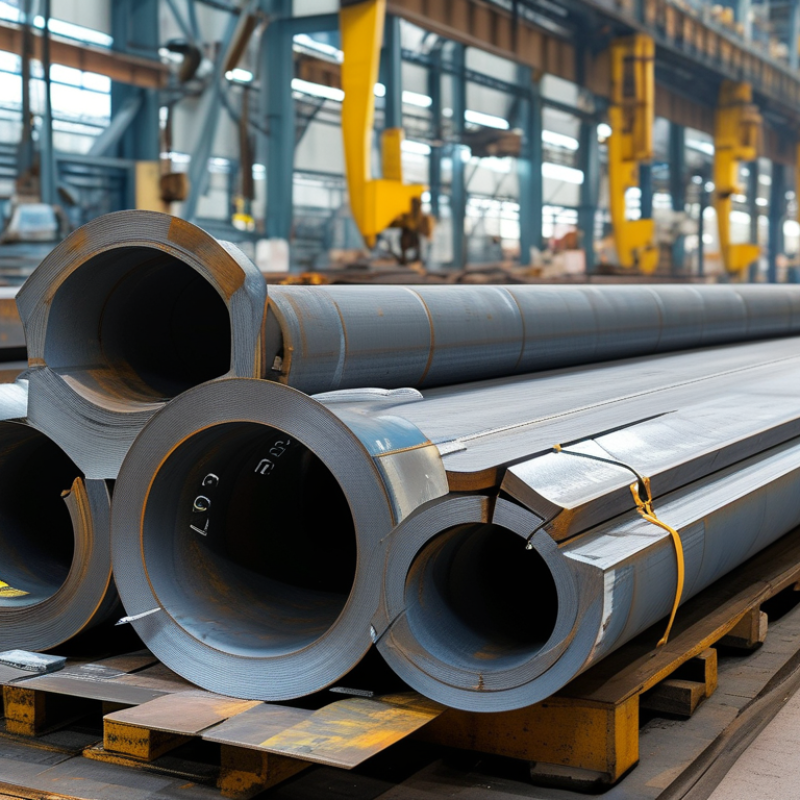
Steel sheet thickness is a critical factor in global sourcing that can significantly impact product quality and performance. Understanding the right thickness is essential for various applications, from automotive to construction. Industry reports indicate that using the incorrect thickness can lead to failures, which may cost companies significantly—all due to avoidable material choices.
For instance, the American Society for Testing and Materials (ASTM) highlights that for many structural applications, steel sheets should ideally range between 0.6 mm to 12.7 mm in thickness. Deviating from these standards could compromise the structural integrity of products. The cost implications of choosing the wrong thickness can be severe, not just in terms of material waste, but also in terms of safety and regulatory compliance.
Tip: Always verify thickness requirements based on specific project needs. Keep a record of supplier specifications to ensure compliance.
Understanding the nuances of steel sheet thickness involves considering both mechanical properties and end-use requirements. A report from the Steel Manufacturers Association emphasizes that lighter materials may reduce costs and improve efficiency. However, there’s a risk: if the material is too thin, potential performance issues may arise, leading to warranty claims or recalls. Balancing cost with performance is crucial.
Tip: Periodically review your sourcing strategy for steel sheet thickness to align with emerging industry best practices. Doing so can enhance long-term supplier relationships and ensure product reliability.
Calculating steel sheet thickness is essential for global sourcing. Several key factors influence these calculations. Understanding the application's purpose is crucial. Different industries have varying requirements for strength and durability. Construction projects often demand thicker sheets compared to automotive applications. This is due to different stress levels and environmental factors.
Another factor is the standards and specifications set by regulatory bodies. These organizations outline the appropriate thickness for safety and performance. Manufacturers must adhere to these guidelines, ensuring quality and reliability. Geographic location also plays a role. Regional climate can affect corrosion resistance needs, influencing thickness decisions.
Cost is a significant variable. Thicker sheets generally incur higher material costs. Balancing quality with budget is often challenging. It requires careful consideration and sometimes compromises. Furthermore, the sourcing process can introduce variability. Manufacturers in different regions may have different thicknesses for the same application. This variability reinforces the need for thorough research and validation to ensure optimal choices.
Measuring steel sheet thickness accurately is essential for global sourcing. Various methods can deliver precise results. One common technique involves using a micrometer. This tool provides exact measurements down to the hundredth of a millimeter. Ensure to calibrate the micrometer regularly for reliability.
Ultrasonic thickness gauges are another powerful method. These devices send sound waves through the steel, measuring the time it takes to return. They are efficient for all types of steel and can be used in challenging conditions. However, this method may require more training.
Tips: Always conduct multiple measurements on different points. This practice offers a more comprehensive view of the thickness across the sheet. Remember that ambient conditions can affect readings. Finally, understand that inconsistencies can occur, prompting the need for further investigation. Simple mistakes can drastically impact your sourcing decisions.
When calculating the thickness of steel sheets for global sourcing, precision is key. The thickness largely determines the strength and durability of the material in various applications. The formula for this calculation can start with measuring the required tensile strength and load that the sheet must withstand. A common approach is using the equation: Thickness = Load / (Width x Strength). This gives a baseline, but variables like steel type and processing methods can change the outcome.
It is crucial to consider that different uses require different thicknesses. For automotive applications, the recommended thickness may range from 0.7 mm to 3 mm, while machinery components often need thicker sheets. Manufacturers sometimes provide basic guidelines, but they can vary. Additionally, sourcing materials according to international standards can help ensure reliability. This focus on quality fosters trust in the final product.
However, mistakes can occur during the calculation process. Overestimating needs can lead to excess costs. Conversely, underestimating can compromise structure integrity. Validation through testing and pilot projects is invaluable. Seek expert opinions where necessary, as their insights can guide the decision-making process more effectively. Each step requires careful consideration to avoid costly errors.
| Material Type | Typical Thickness (mm) | Weight per Square Meter (kg/m²) | Common Uses |
|---|---|---|---|
| Mild Steel | 0.5 - 25 | 7.85 | Construction, Automotive |
| Stainless Steel | 0.5 - 12 | 7.93 | Kitchenware, Medical Equipment |
| Aluminum | 0.5 - 6 | 2.70 | Aerospace, Packaging |
| Galvanized Steel | 0.5 - 6 | 7.85 | Roofing, Fencing |
| High-Strength Steel | 0.5 - 10 | 7.85 | Automotive, Construction |
When sourcing steel sheets, avoiding common mistakes can save time and money. Many buyers overlook the importance of precise measurements. An incorrect thickness specification can lead to significant production delays. Always double-check the required thickness before placing an order. Inaccurate calculations can also cause mismatches with current machinery or projects.
Another frequent error is neglecting proper material certifications. Steel sheets must meet specific standards for quality and safety. Failing to verify these certifications could result in subpar materials. Difficulties may arise if the sheets do not perform as expected. Some providers might offer lower prices but lack the necessary quality assurances.
Communication lapses can also complicate sourcing. If specifications are unclear, misunderstandings are likely. These can lead to receiving the wrong product or schedule delays. Always maintain open lines of communication with suppliers. Document all specifications clearly. Doing so can help ensure that both parties are aligned throughout the sourcing process.
: Calculating thickness determines strength and durability for specific applications.
Use the formula: Thickness = Load / (Width x Strength). This provides a baseline.
Different uses, like automotive or machinery, need specific thicknesses for performance.
The recommended thickness is usually between 0.7 mm and 3 mm.
Mistakes include incorrect measurements and neglecting material certifications.
An incorrect specification can lead to delays and mismatches with machinery.
Certifications ensure that steel sheets meet quality and safety standards.
Misunderstandings can occur, leading to wrong products and schedule delays.
Double-check specifications, validate through testing, and seek expert advice.
Overestimating leads to excess costs; underestimating compromises structural integrity.
In the realm of global sourcing, understanding how to calculate steel sheet thickness is crucial for ensuring product quality and compliance with specifications. The thickness of steel sheets can significantly influence their performance and durability. Key factors influencing the calculations include material type, intended use, and environmental conditions. Accurate measurement methods, such as calipers and ultrasonic gauges, are vital to obtaining reliable data.
To calculate steel sheet thickness effectively, one must employ specific formulas and guidelines that accommodate the variables at play. Additionally, awareness of common mistakes—like overlooking tolerances or misinterpreting specifications—can prevent costly errors during sourcing. Mastering these elements not only enhances sourcing decisions but also contributes to the overall success of manufacturing projects.

Puppet Steel