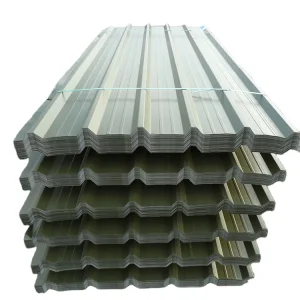
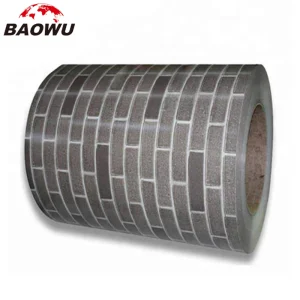
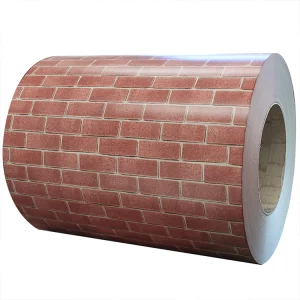
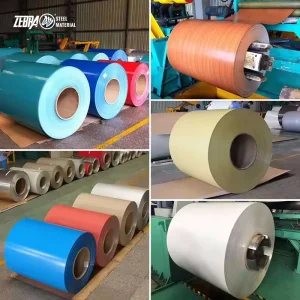
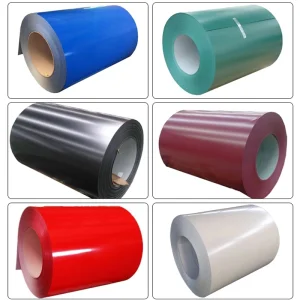
In modern architectural engineering and advanced machinery manufacturing, the choice of raw materials directly determines project lifespan and life-cycle costs. Prepainted Steel Sheets, commonly referred to as color-coated steel or PPGI/PPGL (Prepainted Galvanized/Galvalume Steel), represent a structural culmination of metallurgy and polymer chemistry. As an engineered composite material, they combine the high tensile strength, load-bearing capability, and formability of cold-rolled carbon steel with the barrier protection and aesthetic diversity of organic coatings.
Historically, metal corrosion has caused massive annual economic losses globally. Traditional structural steel required field painting after installation—a process prone to variable quality control, environmental pollution, and poor coating adhesion. The continuous coil coating line (CCL) process revolutionized this by applying uniform, multi-layered organic coatings in a highly controlled factory setting. Leading producers, including Ningbo Puppet Steel Co., Ltd., have pushed these lines to high levels of performance, offering products with customized chemical formulations designed for aggressive chemical environments, maritime exposures, and intensive solar radiation.
Understanding prepainted steel requires analyzing its microscopic layers. A high-durability color-coated steel sheet is not a simple layer of paint on metal; it is a carefully calculated multi-layered chemical composite.
1. The Steel Base Substrate: Typically structural grades such as DX51D+Z (commercial bending quality), DX52D (drawing quality), or high-tensile structural grades like S350GD. The steel profile provides core mechanical yield strength and elasticity.
2. Metallic Coating (Galvanizing/Galvalume): Hot-dip zinc (Z10 to Z29 coating weight, up to 275 g/m²) or Al-Zn alloy coatings (AZ150). The zinc acts as a sacrificial anode, shielding the steel core from oxidation.
3. Chemical Conversion Pretreatment Layer: An oxide conversion layer designed to maximize surface area contact and ensure chemical bonding between the metal substrate and the primer.
4. Primer Coating: Typically epoxy or polyurethane primers (5 to 10 μm thick) that provide anti-corrosion properties and ensure adhesion for the top layer.
5. Top (Finish) Coat: Formulated from high-durability polymers (typically 15 to 25 μm thick) to resist UV degradation and chemical pollutants.
6. Backer Coat: An epoxy or polyester backer (5 to 12 μm) that protects the rear side of the sheet from friction damage and humidity during shipping and final assembly.
The chemistry of the topcoat determines the material's service life. Selecting the appropriate polymer structure is crucial when balancing performance against project budget:
The global construction and manufacturing sectors operate on tight timelines. Material shortages or shipping bottlenecks can cause costly project delays. China's industrial steel supply chain—anchored by specialized manufacturers like Ningbo Puppet Steel Co., Ltd.—delivers reliable lead times, steady quality control, and excellent cost efficiency.
Based in Ningbo, a major deep-water port city, Ningbo Puppet Steel Co., Ltd. utilizes integrated manufacturing networks. This strategic location enables streamlined movement of raw materials (from major domestic hot-rolled and cold-rolled mills) straight to automated continuous coating lines. By eliminating middle-tier logistics, we can quickly scale production from custom small-batch runs to high-volume industrial orders.
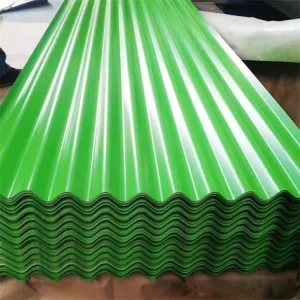
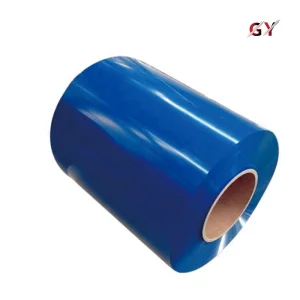
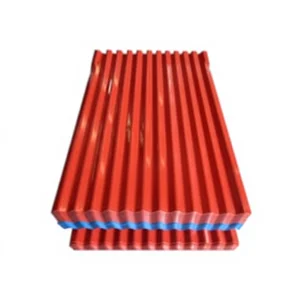
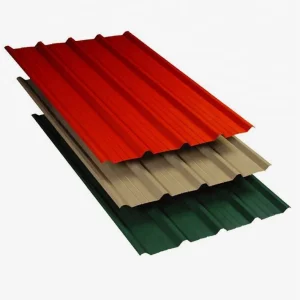
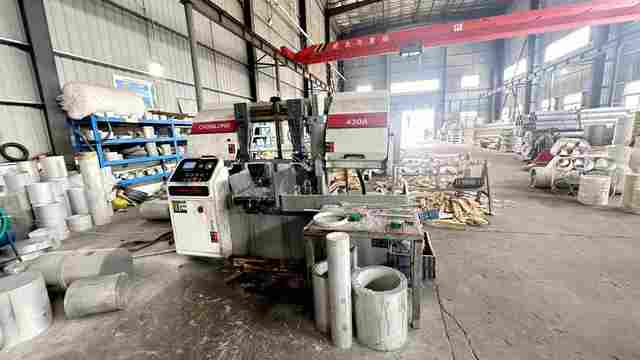
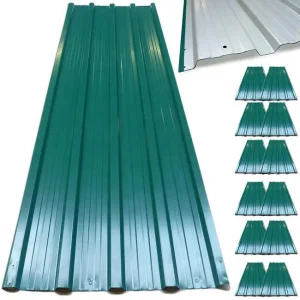
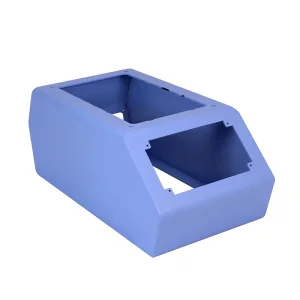
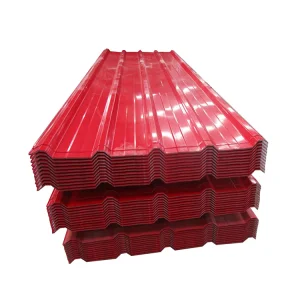
This supply chain model goes beyond basic raw material production. Ningbo Puppet Steel Co., Ltd. offers downstream customized steel processing services—such as precision coil slitting, length cutting, and profile bending. Our processing facility is equipped with automated tension levelers and precision shearing equipment, allowing us to deliver tight dimensional tolerances. Whether a project requires flat pre-painted sheet blanks for home appliance casings, or corrugated roofing panels for industrial warehouses, the materials arrive on-site ready for installation.
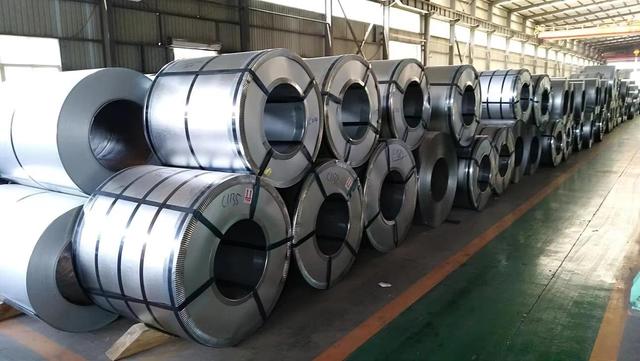
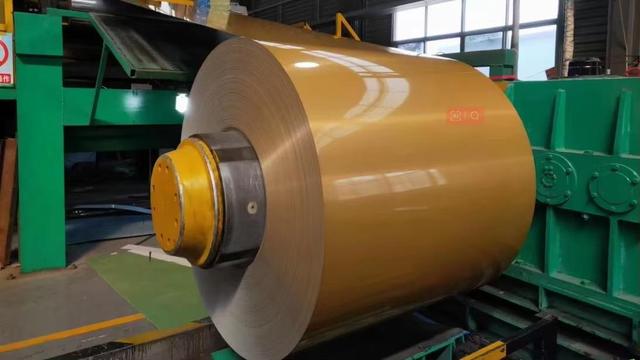
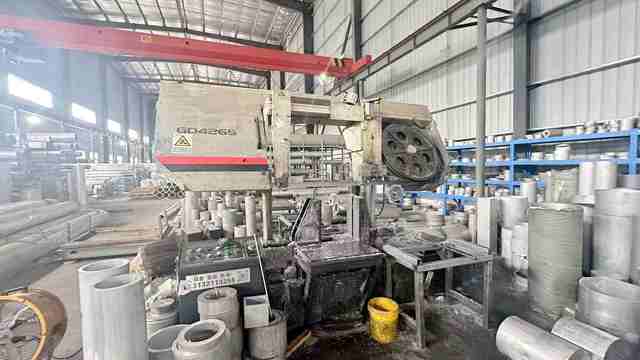
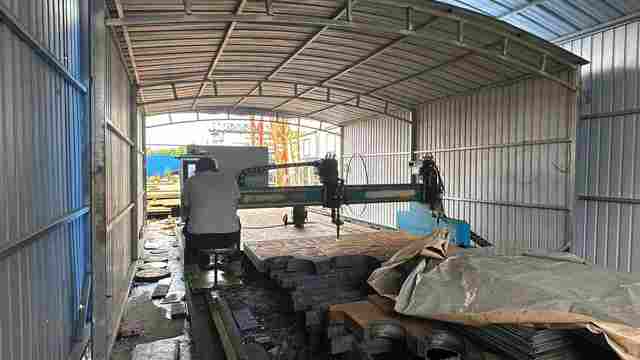
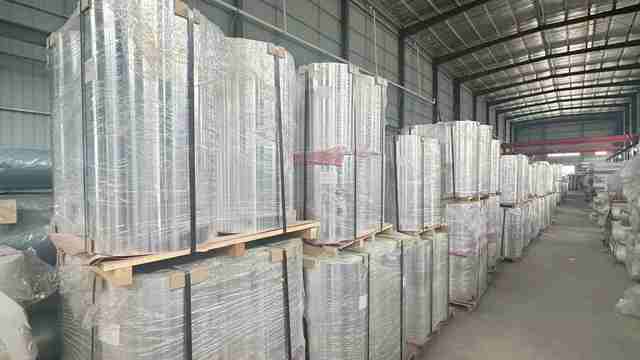
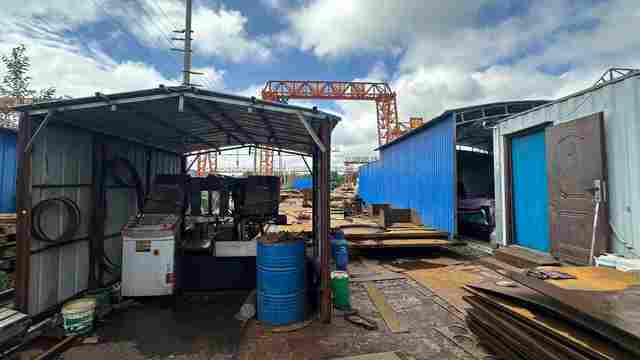
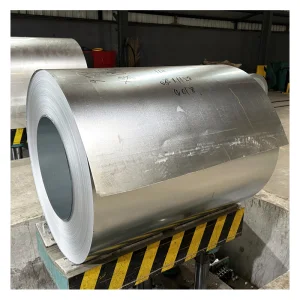
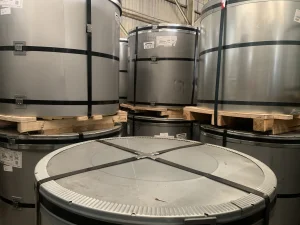
Our advanced production plants in Ningbo house modern coil-coating lines, slitting operations, and strict quality control stations. Below is a look inside our manufacturing processes and shipping facilities:
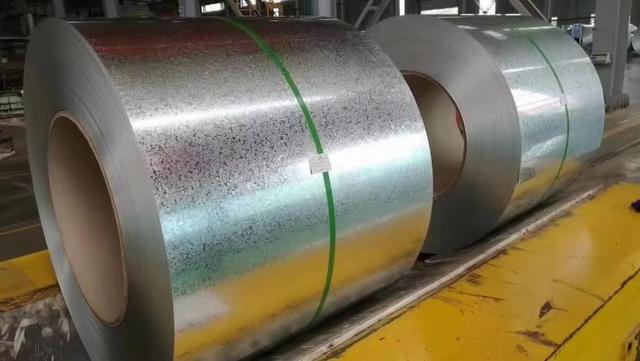
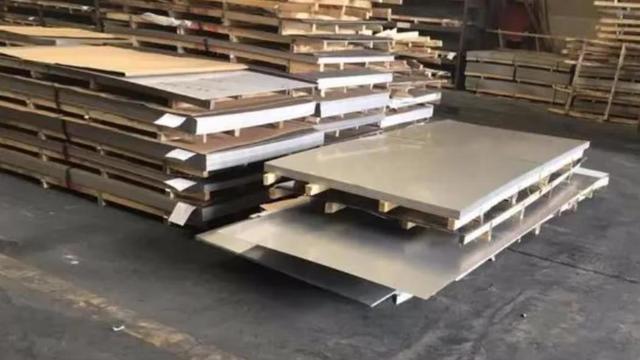
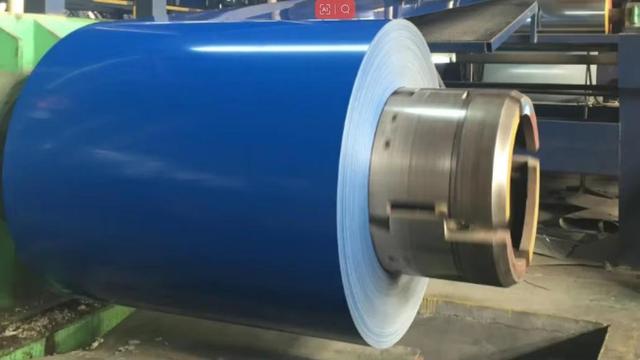
Prepainted steel sheets must withstand different environmental factors depending on where they are deployed globally. A standard coating chemistry that works in a temperate zone could experience premature failure in a tropical or high-salinity coastal environment.
In desert climates, building envelopes must withstand intense solar radiation and high ambient temperatures. Under these conditions, standard polyester (PE) coatings can oxidize rapidly, leading to color fading, cracking, and loss of adhesion.
Engineering Solution: For these regions, Ningbo Puppet Steel provides PVDF or HDP coating packages with high Solar Reflectance Index (SRI) pigments. These reflect infrared heat to lower interior building temperatures and resist UV degradation (reaching RUV4 class performance).
Tropical regions face prolonged high humidity and heavy rainfall. Moisture can seep through microscopic pinholes in the coating, leading to galvanic corrosion of the zinc layer and blistering of the paint.
Engineering Solution: We recommend a thicker zinc or galvalume substrate (min. AZ150/Z275) paired with a high-durability polyurethane or epoxy primer. Anti-fungal and anti-microbial additives are also blended into the topcoat to prevent mold and algae growth on roof panels.
Air near oceans contains high concentrations of chloride ions, which accelerate metal rust. Standard coatings can fail within years if exposed to sea spray without proper barrier protection.
Engineering Solution: We use thick double-sided PVDF coatings (minimum 30 μm on the top side) over a galvalume substrate. These systems are tested to resist over 1,000 hours in salt spray chambers, protecting coastal warehouses and industrial structures.
The metal coating sector is shifting toward increased sustainability, longer lifespans, and automated quality control. Ningbo Puppet Steel Co., Ltd. continuously updates its production technology to keep pace with these industry-wide changes.
Importing structural steel requires meeting local building codes and safety regulations. Ningbo Puppet Steel Co., Ltd. provides comprehensive certification and testing documentation to streamline customs clearance and verify compliance at the job site.
| Standard | Region | Target Specification | Key Test Procedures |
|---|---|---|---|
| JIS G3312 | Japan & East Asia | CGCC / CGCD1-3 | Cupping test, impact resistance, adhesion grading. |
| ASTM A755 | North America | Commercial/Structural Base | MEK rub test, cross-hatch, salt spray exposure. |
| EN 10169 | European Union | RC3, RC4, RC5 Corrosion Class | UV artificial weathering (QUV), sulfur dioxide test. |
| IS 14246 | India | GP / GC Grade (BIS Certified) | Flexibility testing, coating thickness profiling. |
Every shipment is accompanied by a Material Test Certificate (MTC) matching EN 10204 Type 3.1 standards. These reports detail the chemical composition, mechanical properties, galvanizing mass, and paint thickness of each production batch, ensuring clear traceability from raw material to finished product.
Selecting the right prepainted steel sheet involves balancing technical performance with project budgets. Below are detailed answers to common questions asked by procurement officers and structural engineers.
 Puppet Steel