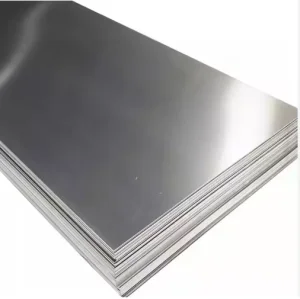
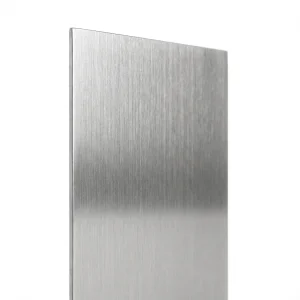
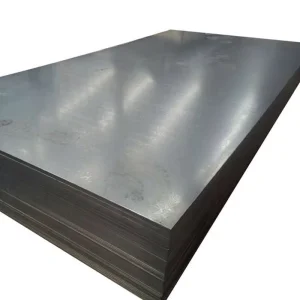
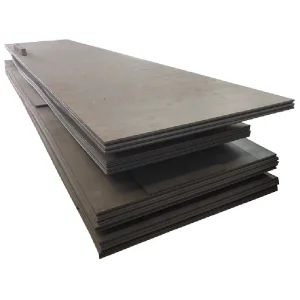
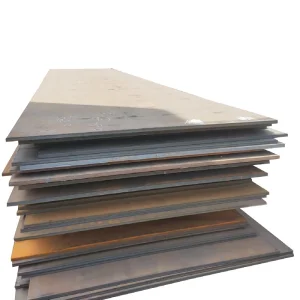
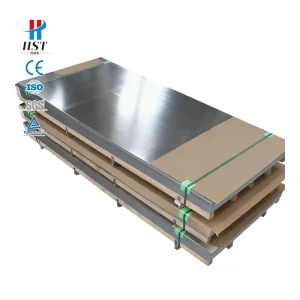
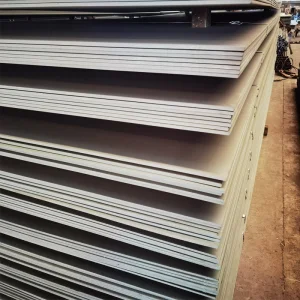
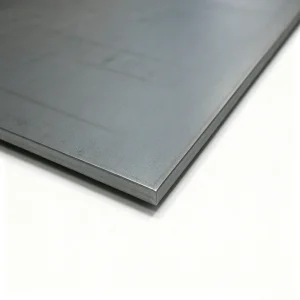
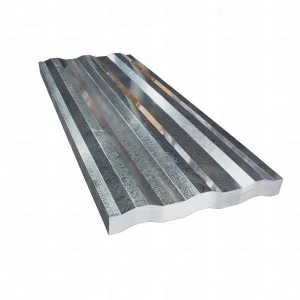
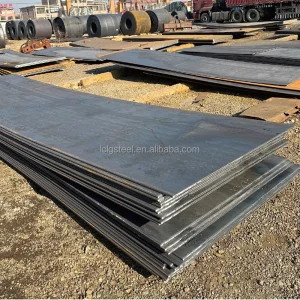
Explore our classification-approved structural sheets and cold-rolled stainless steel options designed to withstand high salinity, extreme hydro-pressures, and aggressive marine environments.
In the hostile realms of marine engineering, structural reliability is non-negotiable. Marine grade steel sheets are engineered to resist the highly corrosive combinations of sodium chloride, moisture, sulfur compounds, and constant dynamic stress. Unlike standard structural steels, which quickly fall victim to pitting corrosion and stress-corrosion cracking, authentic marine-grade alloys undergo specific metallurgical processing to secure their long-term survivability in saline environments.
The chemistry of marine-grade steel varies depending on whether it is carbon steel or stainless steel:
Austenitic & Duplex Stainless Steels (e.g., 316L, 1.4404, Duplex 2205): Specifically targeted at splash-zones, marine piping, vessel trim, and chemical container vessels. The defining element is Molybdenum (Mo), typically between 2.0% and 3.0% in 316/316L grades. Molybdenum significantly elevates the Pitting Resistance Equivalent Number (PREN), ensuring the material can resist localized chloride attacks that easily compromise standard 304-grade stainless steels.
The global marine grade steel sheet market is highly tied to the health of commercial shipbuilding, offshore oil and gas exploitation, and the rapidly growing offshore wind energy sector. As international trade routes expand and deep-water wind farms scale up, the demand for classification-certified steel plates (approved by ABS, DNV, GL, CCS, BV, LR, and RINA) has surged.
International procurement agents emphasize traceability. When purchasing marine-grade structural sheets, it is not merely the chemical compositions that matter. Procurement protocols demand comprehensive mill test certificates (MTC) matching standards such as EN 10204 3.2, which require independent third-party witnessing of physical testing. This includes Charpy V-notch impact tests, ultrasonic testing (UT) to detect internal laminations, and Z-direction tensile tests for heavy plates subjected to through-thickness stress.
China stands as the global epicentre of high-volume, high-quality marine steel plate production. By coupling state-of-the-art smelting plants with specialized downstream processing hubs, Chinese manufacturers offer unique pricing structures and rapid fulfillment times that Western competitors struggle to match.
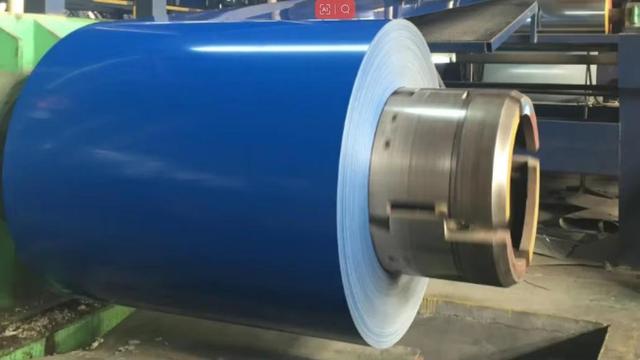
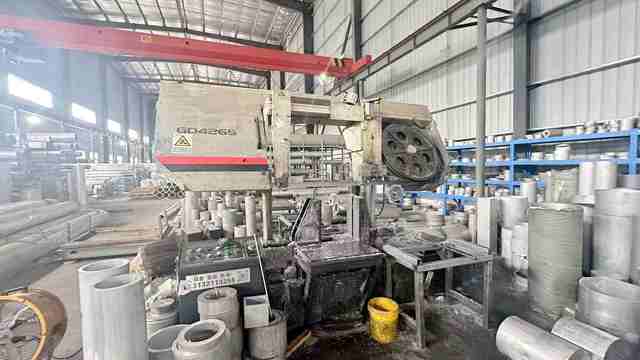
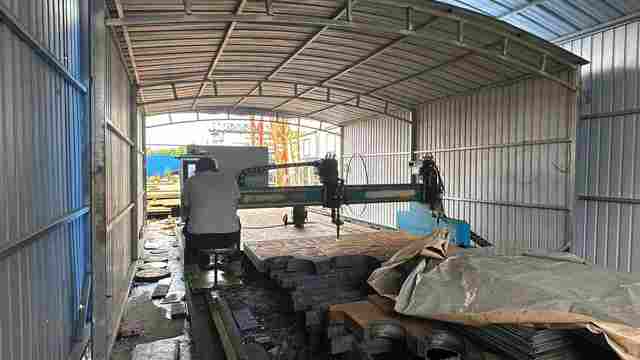
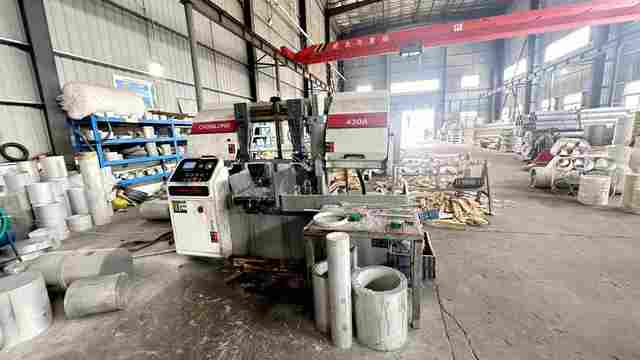
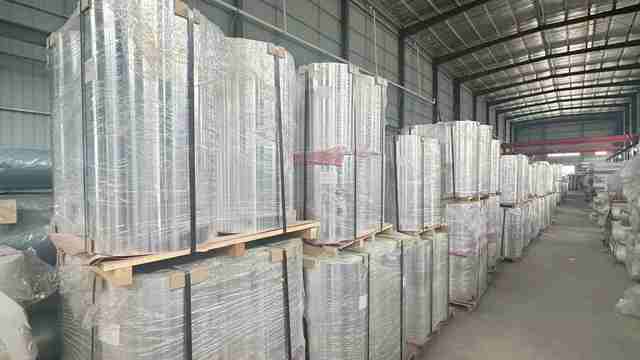
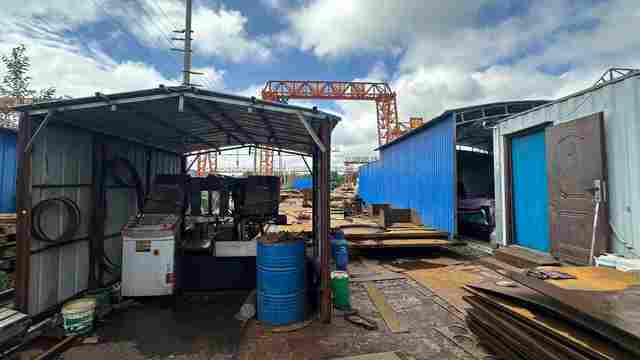
Ningbo Puppet Steel Co., Ltd. serves as a prime representative of this optimized industrial chain. Strategically situated in the major deepwater port city of Ningbo, China, the company integrates advanced metallurgical resources with precision local processing. Puppet Steel offers customized metal solutions including high-tolerance cutting, bending, and specialized surface anti-corrosion coating processes.
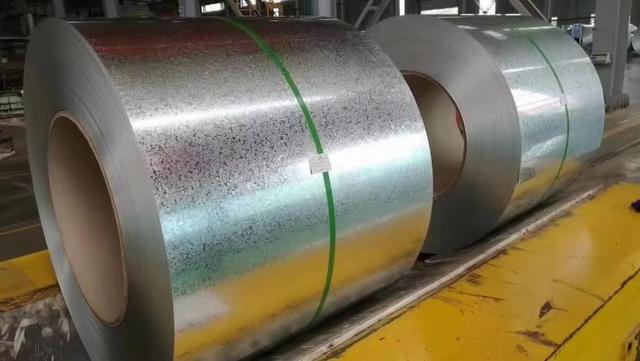
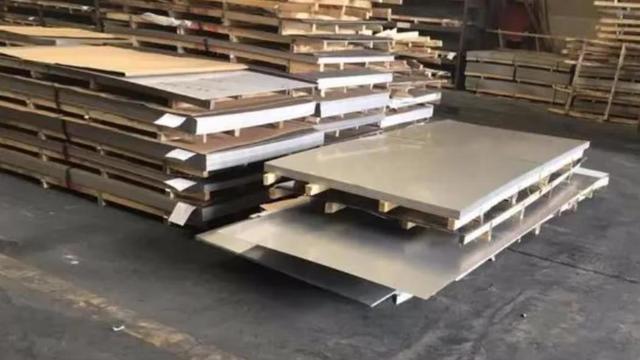
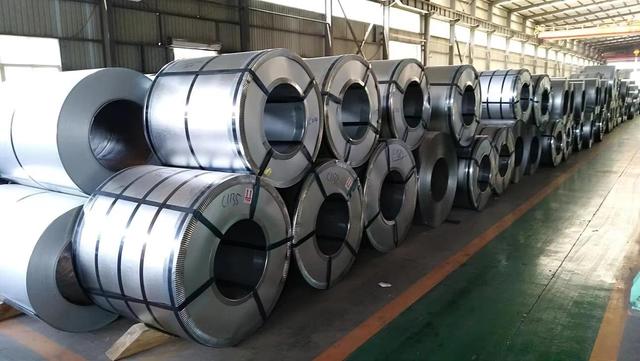
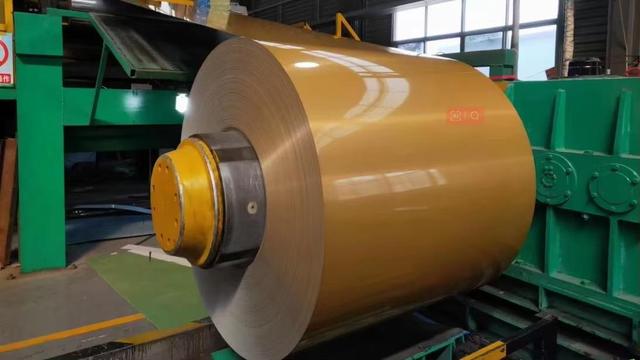
By utilizing advanced cold-rolling, hot-rolling, and galvanizing lines, Ningbo Puppet Steel maintains tight control over dimensional tolerances and flatness. This ensures that the marine grade steel sheets can immediately undergo robotic welding and automated CNC fabrication at destination shipyards without requiring pre-straightening.
Different regions and environments present distinct metallurgical challenges. Understanding these localized settings is vital for selecting the appropriate grade of steel:
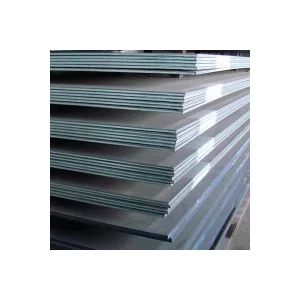
Heavy-duty cargo ships, bulk carriers, and naval vessels rely on high-tensile hot-rolled plates (grades AH36, DH36, and EH36). These carbon steel alloys provide the structural integrity needed to withstand wave slamming forces while optimizing vessel weight.
Monopiles, jackets, and transition pieces require exceptional fatigue resistance. High-yield structural grades like Q460C, Q550D, and S355 are treated with specialized anti-rust coatings to survive decades in the aggressive splash zone.
Transporting aggressive liquids, chemicals, and liquefied natural gas (LNG) demands corrosion-resistant alloys. Here, ASTM A240 316L and duplex stainless steels are utilized to prevent internal corrosion and cross-contamination.
The marine steel manufacturing sector is undergoing a rapid transition toward carbon-neutral steelmaking and lightweight structural optimization. Designers are shifting from standard carbon plates to ultra-high-strength steel sheets (e.g., Q690 and higher) to decrease the deadweight of vessels, thereby improving fuel efficiency and reducing operational carbon footprints.
Furthermore, green procurement initiatives now require steel manufacturers to supply Environmental Product Declarations (EPD). These documents detail the lifetime carbon footprint of the steel plates, from raw ore smelting to the final rolling stages. Process innovations like Hydrogen-based Direct Reduced Iron (DRI) and Electric Arc Furnace (EAF) recycling are rapidly gaining traction as crucial elements for global supply contract awards.
For shipbuilders, optimizing pre-treatment is also a major cost factor. Forward-thinking suppliers, including Ningbo Puppet Steel Co., Ltd., offer marine plates that come pre-blasted and coated with inorganic zinc silicate shop primers. This protective layer prevents rusting during the temporary storage and fabrication phases, allowing shipyards to jump straight to cutting and welding operations.
Gain insights into technical specifications, metallurgical testing, and sourcing standards for marine steel procurement.
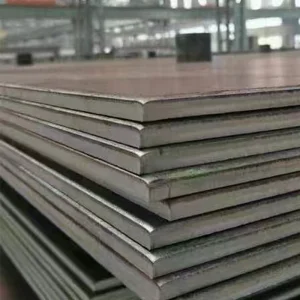
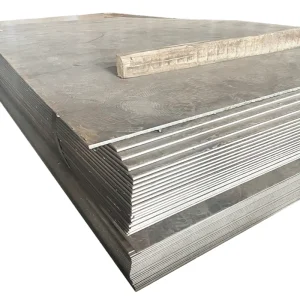
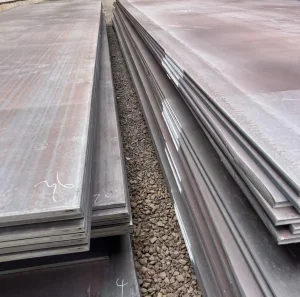
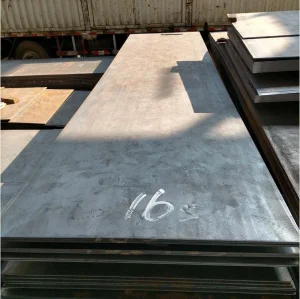
Review our second collection of marine carbon steel plates, high-strength vessel plates, and specialized structural alloys optimized for offshore marine platforms and ship repair operations.
 Puppet Steel