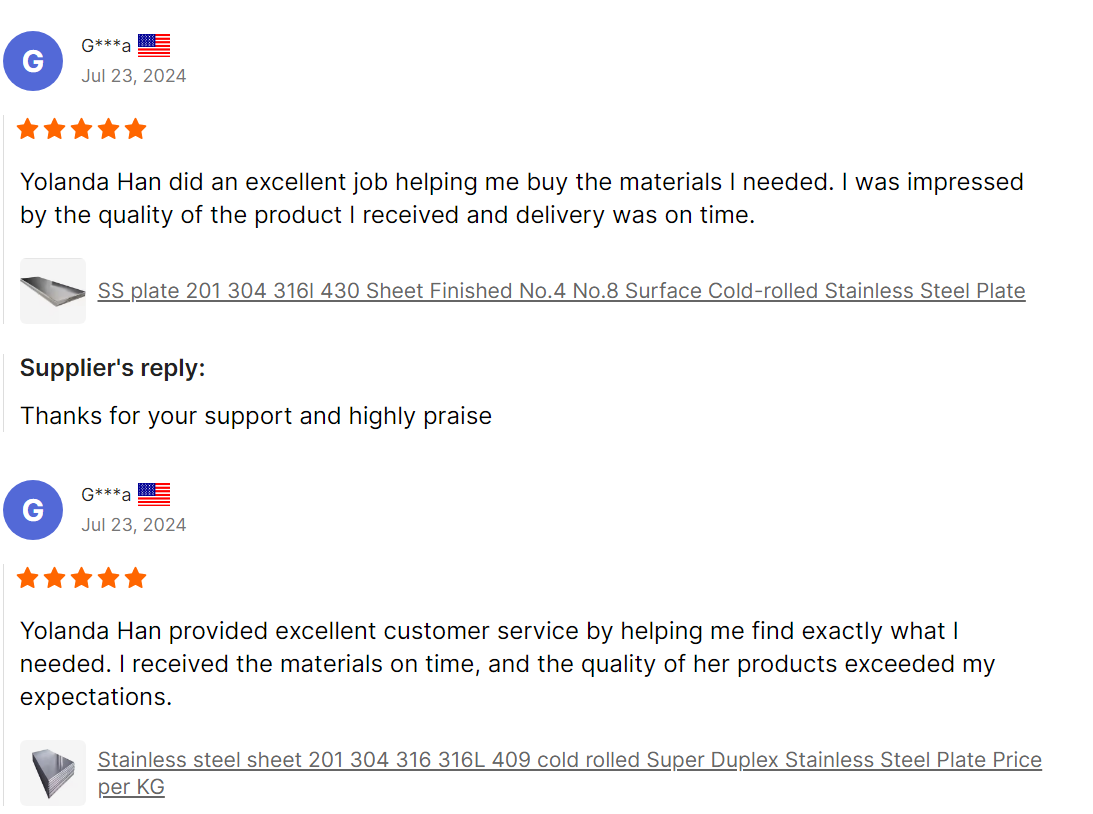
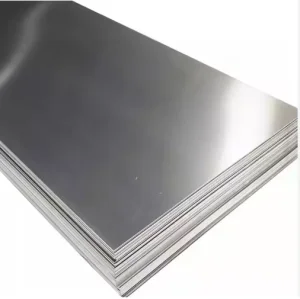
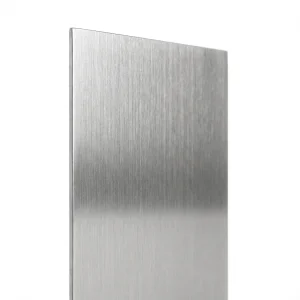
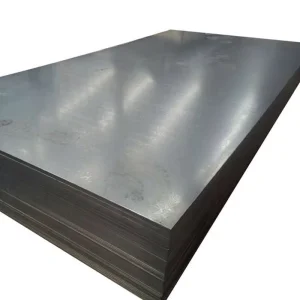
Product Overview
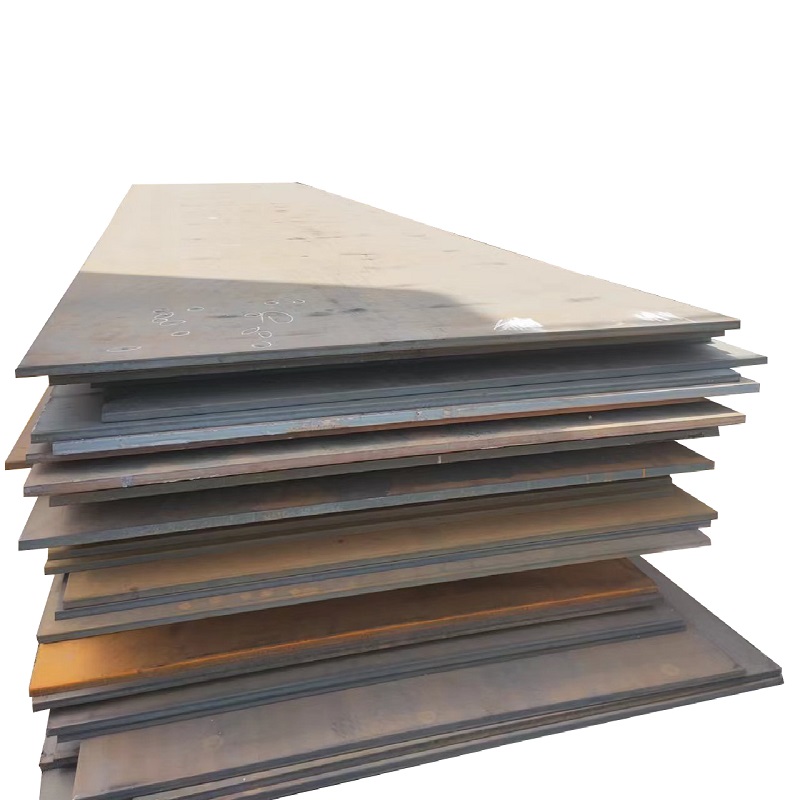
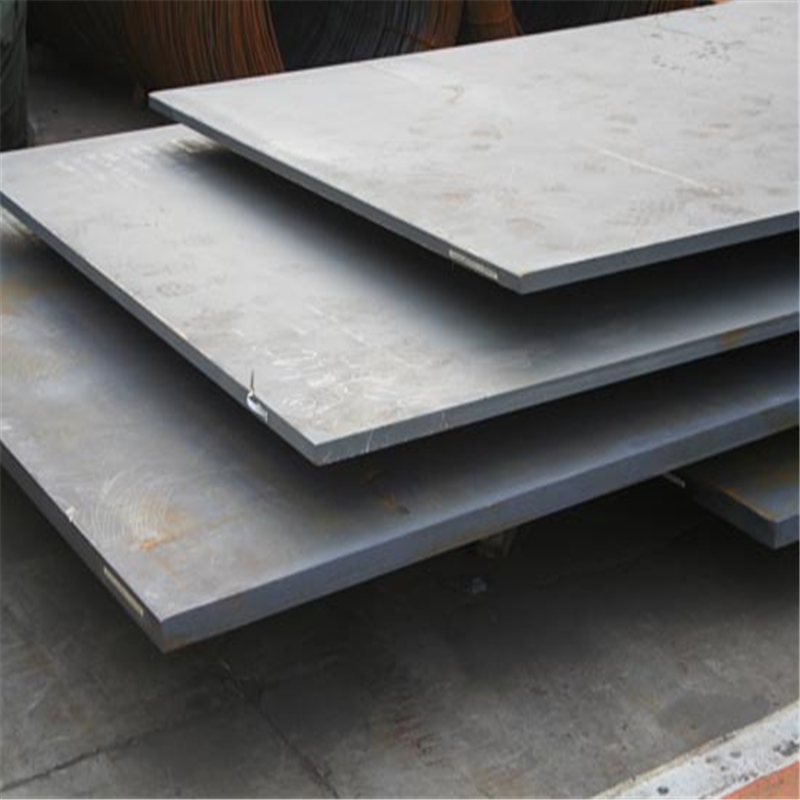
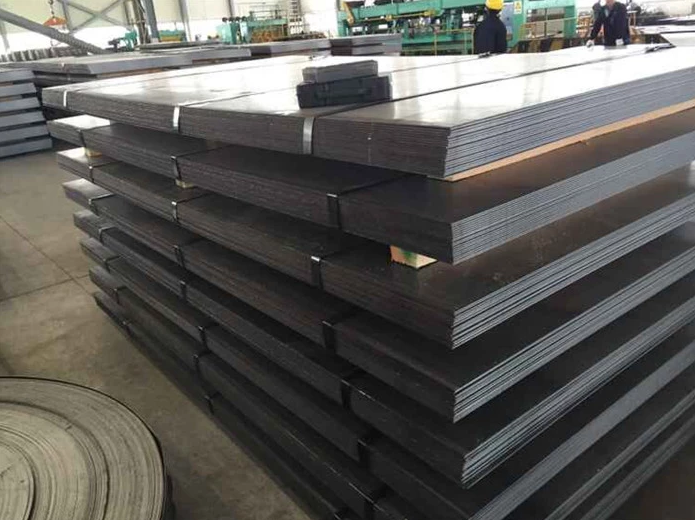
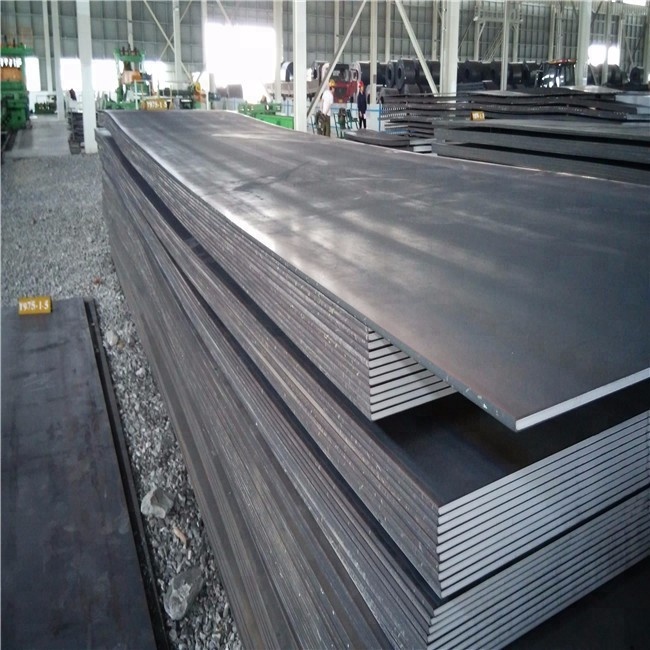
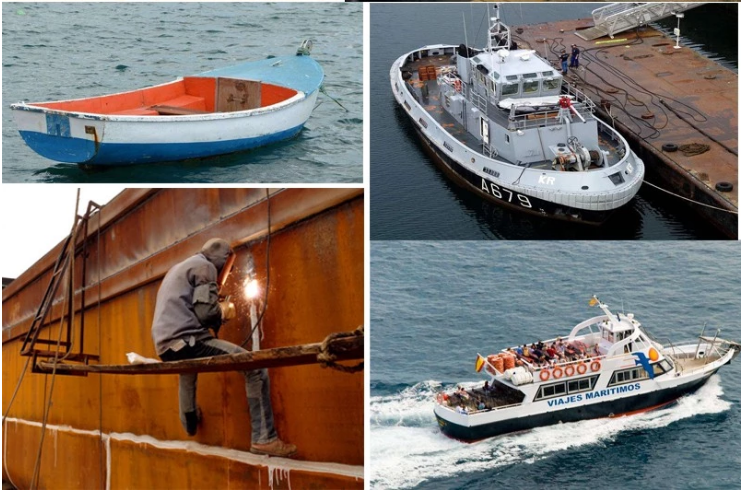
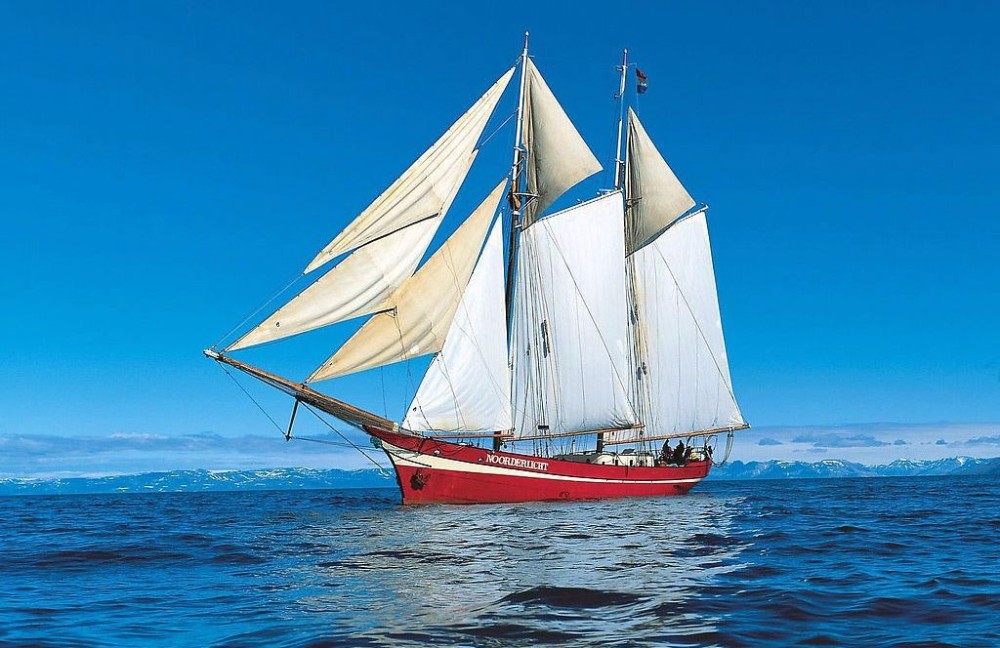
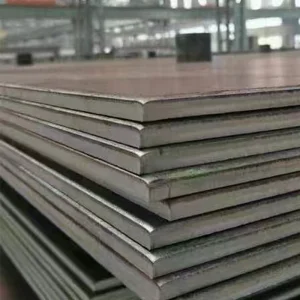
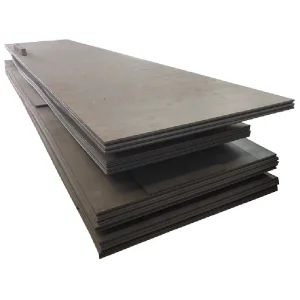
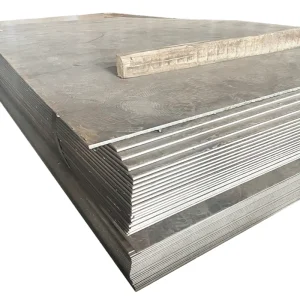
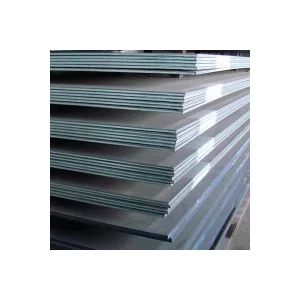
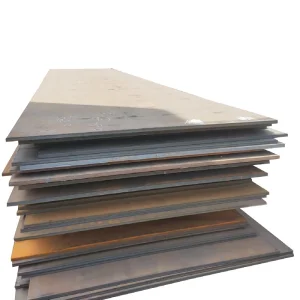
Marine steel plate is a specialized steel plate used for manufacturing ships, usually made of high-strength and corrosion-resistant steel. This type of steel usually includes carbon steel, low-alloy steel, high alloy steel, etc., among which high alloy steel is widely used in ship steel plates.
Ship steel plates require high strength, generally capable of withstanding large loads and high-strength impact forces.
Due to the long-term exposure of ships to the ocean and rivers, ship steel plates need to have good corrosion resistance to effectively resist the erosion and oxidation of seawater.
Ship steel plates need to have good weldability to facilitate maintenance and repair of the ship.
Product Processing and Product Testing
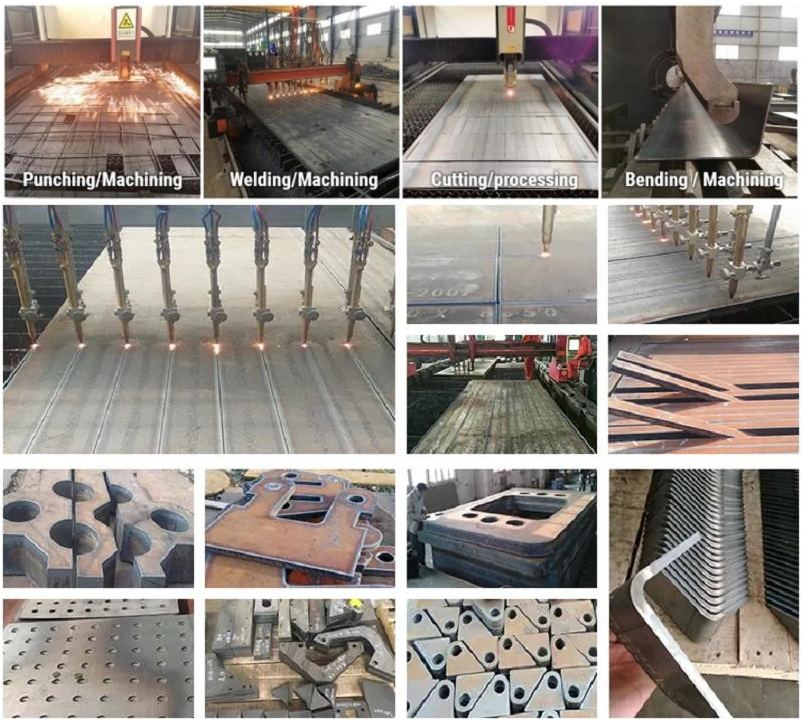
The processing methods of marine steel plates include:
- Raw material preparation: Select suitable low-alloy steel, high-strength steel, or weathering steel as raw materials. The raw materials need to undergo processes such as acid washing or surface treatment to ensure quality.
- Smelting: Put the raw materials into the furnace for smelting, and adjust the properties and composition of the steel plate by adding appropriate alloying elements.
- Steel quenching and tempering: Steel is quenched and tempered by heating and cooling in a special device, so that the steel plate has a uniform structure and good mechanical properties.
- Steel filtration: The steel is passed through a filtration device to remove impurities and non-metallic inclusions.
- Continuous casting: Pour molten steel into the continuous casting machine and solidify it into a continuous billet through a crystallizer.
- Hot rolling: The cast billet is pre rolled and precision rolled through a hot rolling mill, adjusting the thickness and width to achieve the target size of the steel plate.
- Temperature regulation: Adjust the structure and properties of steel plates by controlling the rolling temperature and speed.
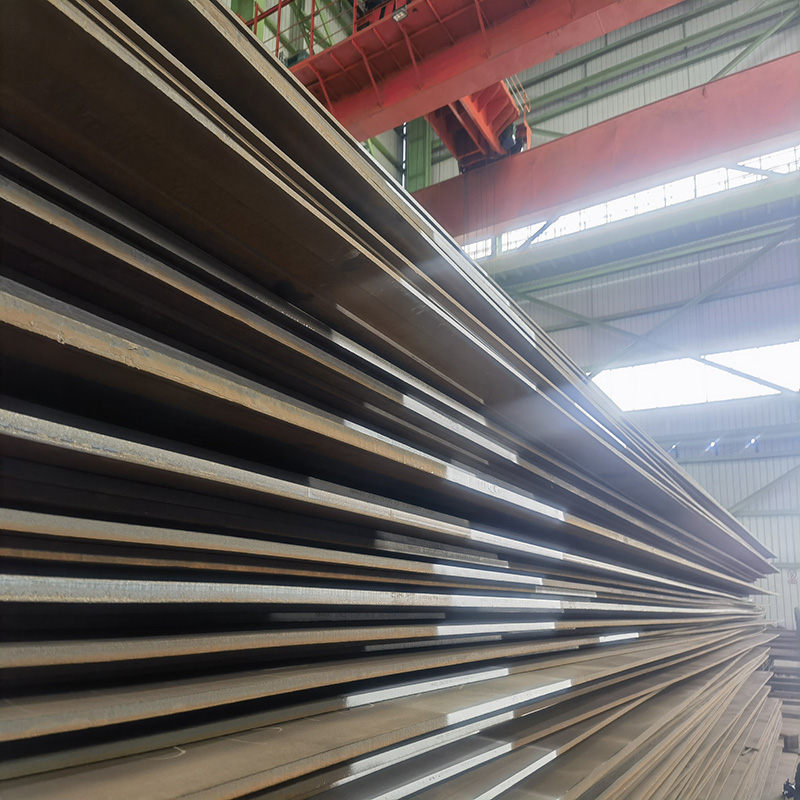
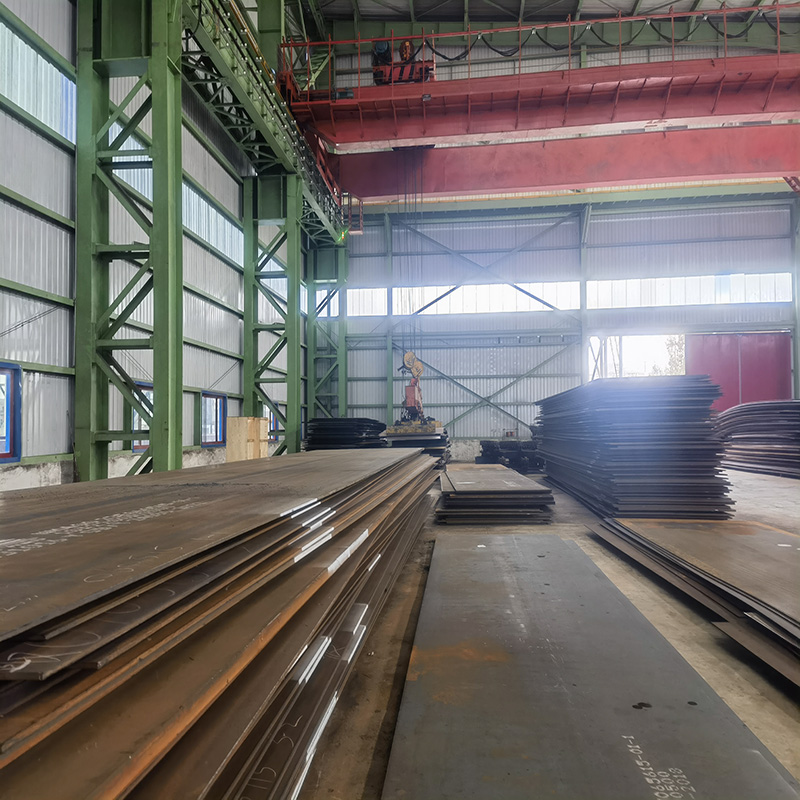
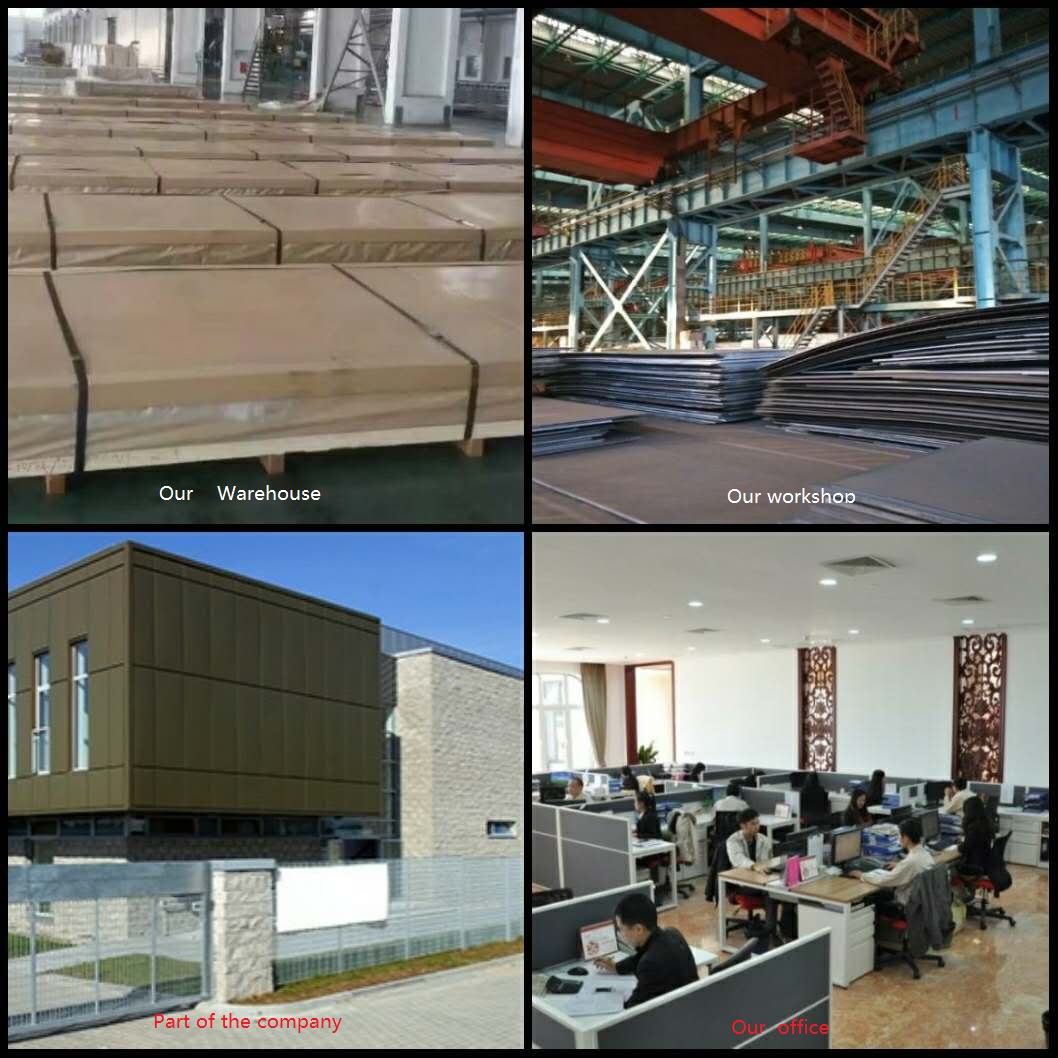
We have our own hot rolled marine steel plate production line, ensuring that the product is smooth and even.
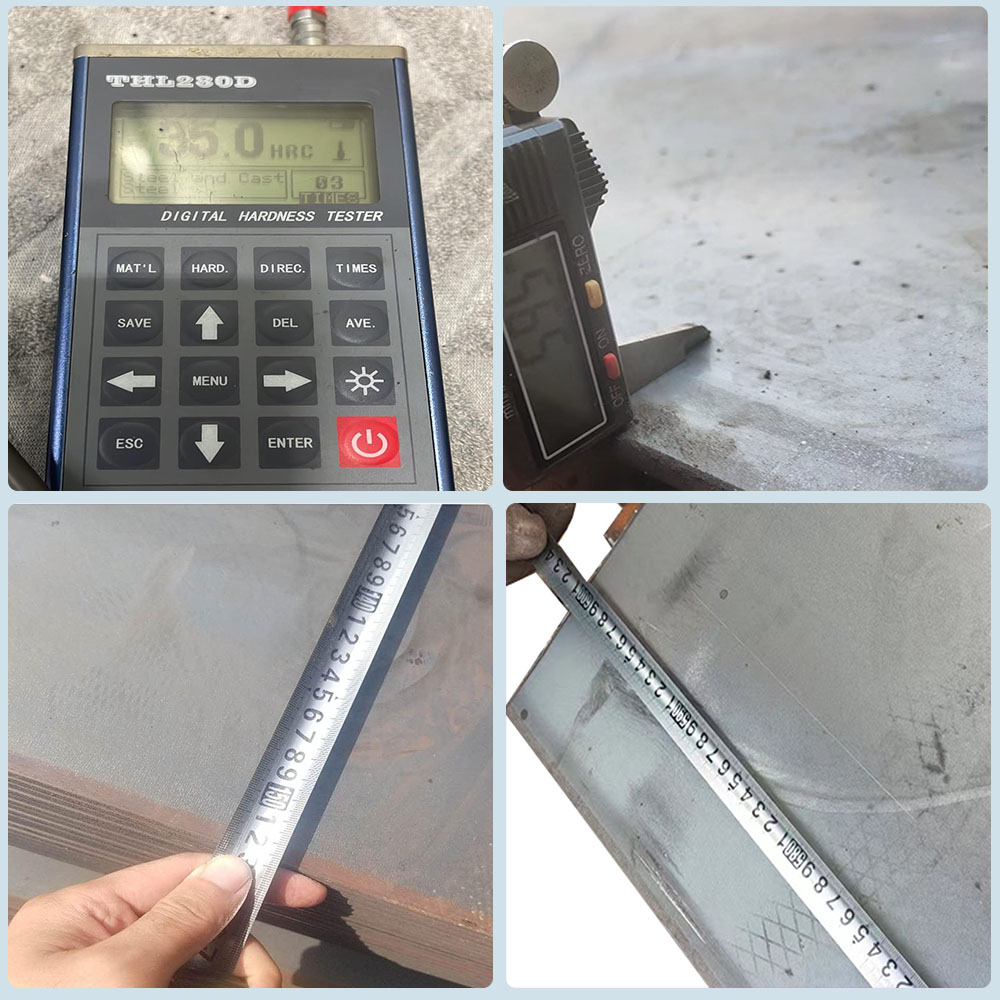
We accept third-party testing and welcome customers for inspection and testing. Tests include: Appearance quality testing, hardness testing, chemical composition analysis, and metallographic observation.
Product Specifications
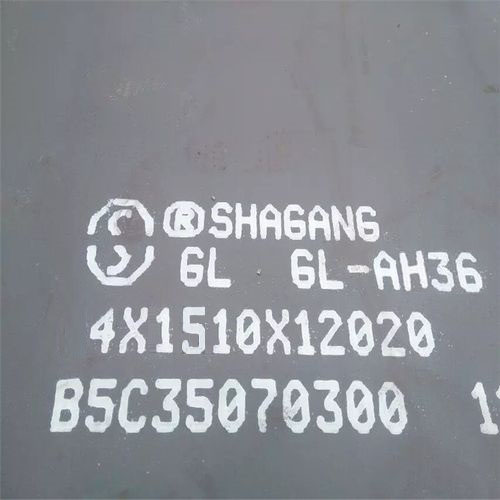
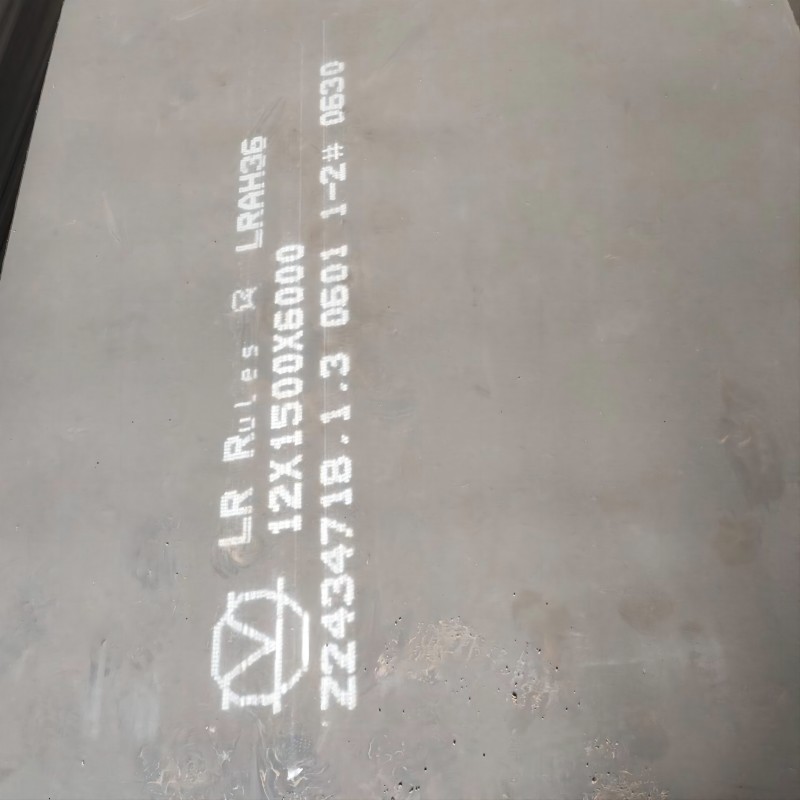
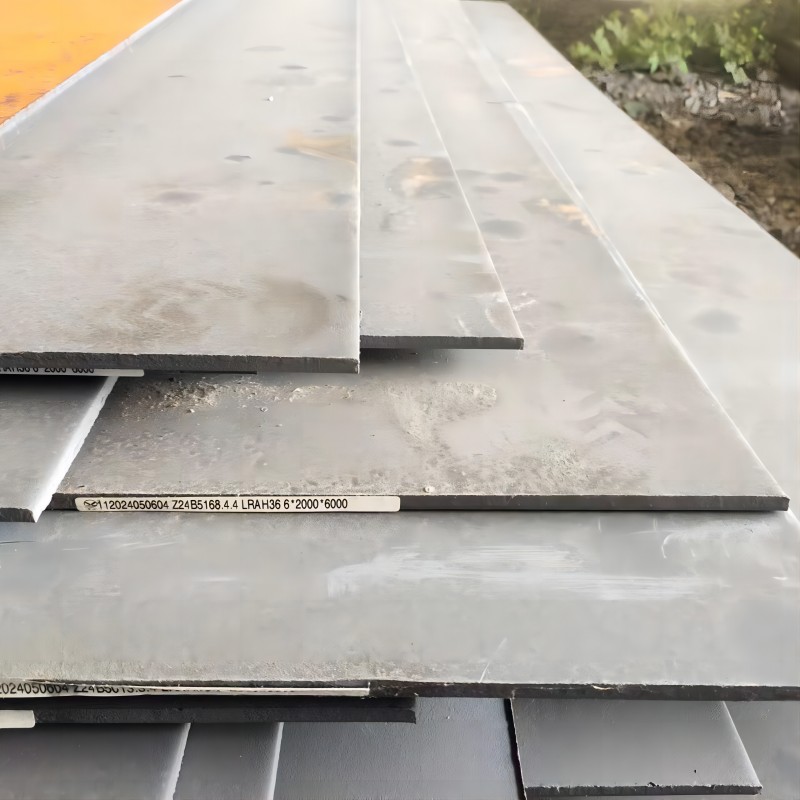
China: A32, D32, E32, F32; A36, D36, E36, F36; A40, D40, E40, F40
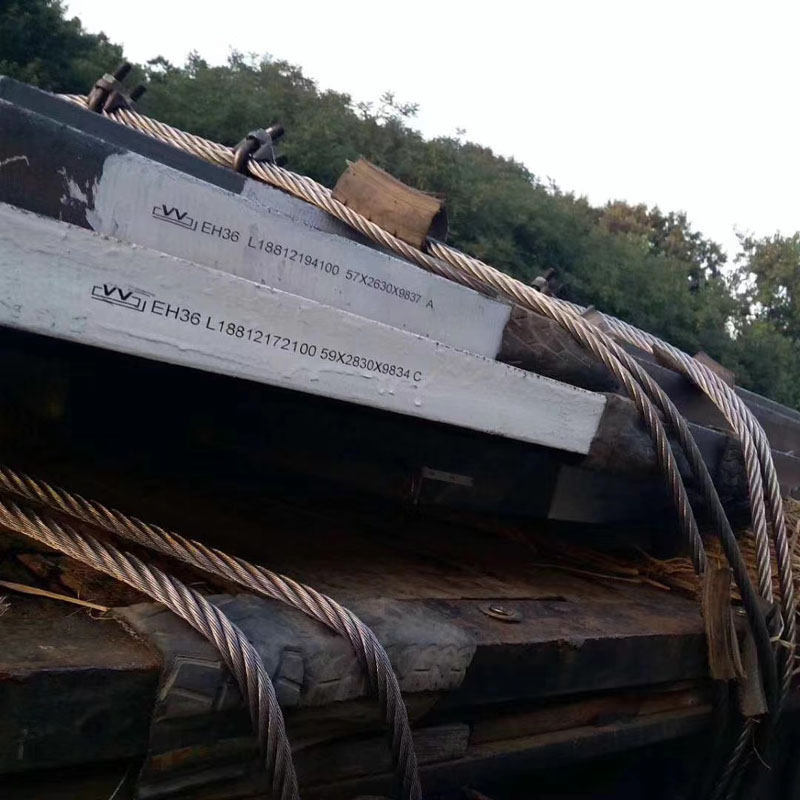
America: AH32, DH32, EH32, FH32; AH36, DH36, EH36, FH36; AH40, DH40, EH40, FH40
Japan: SM400A, SM400B, SM400C, SM490B, SM490C, SM570
Other country: P355GH, P420M, S355JR, S620Q (1.0473, 1.8824, 1.0045, 1.8914)
| Technical Data Sheet |
| Product Name |
Marine steel plate |
| Length |
4m-12m or as required |
| Width |
0.6m-3m or as required |
| Thickness |
3mm-300mm or as required |
| Standard |
GB712-2000, ASTM A131/A131M-07, JIS G3106-2008 |
| Technique |
Hot rolled, surface treatment clean, blasting and painting according to customer requirement |
| Thickness tolerance |
±0.15mm |
Delivery & Packaging
Shipment time: Within 15-20 workdays after receiving deposit or L/C
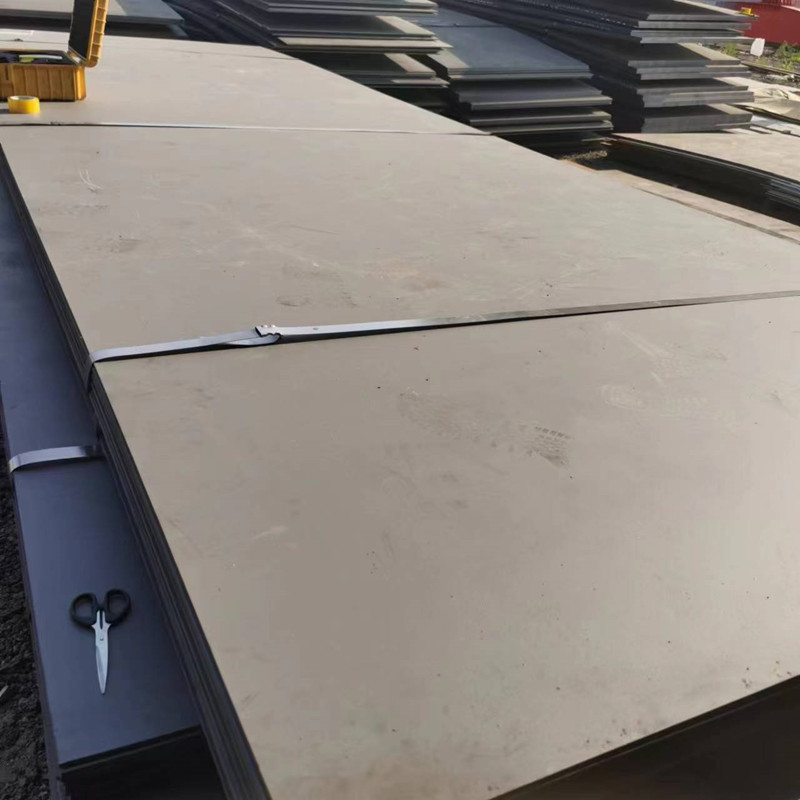
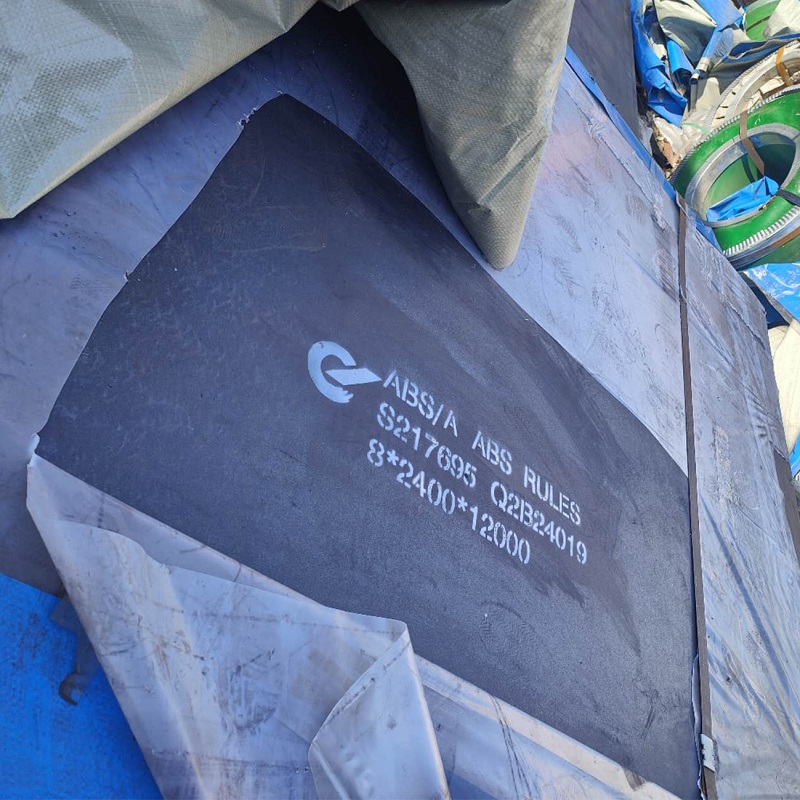
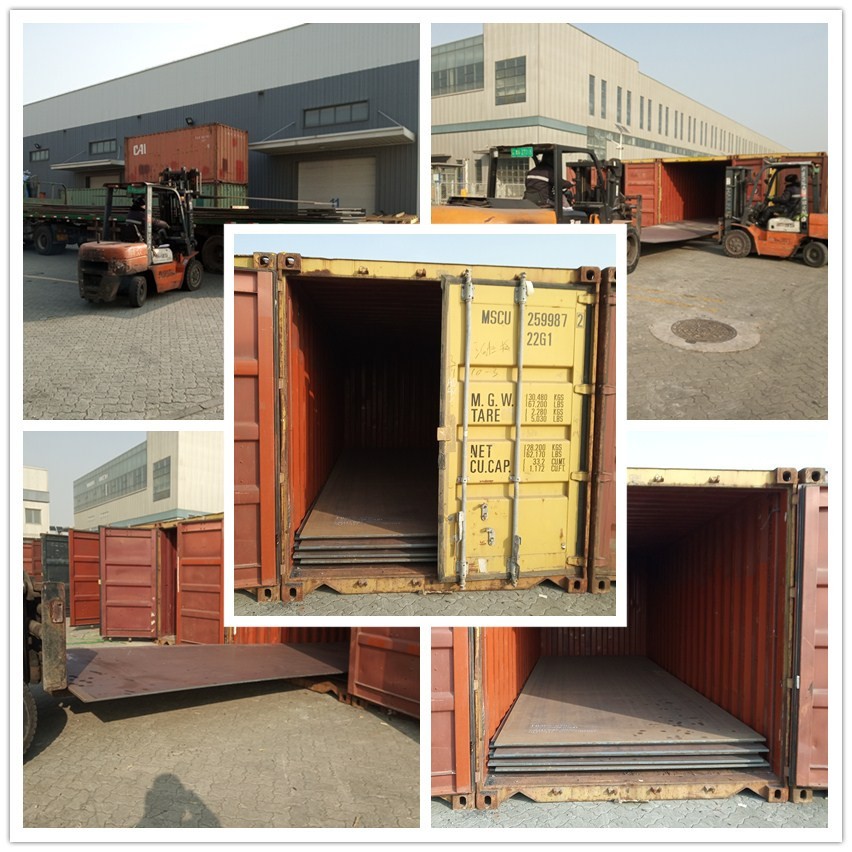
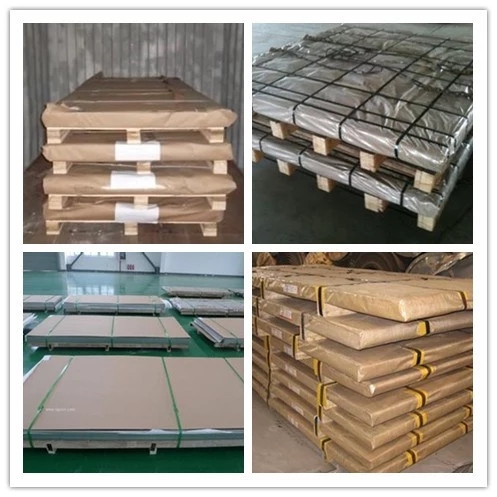
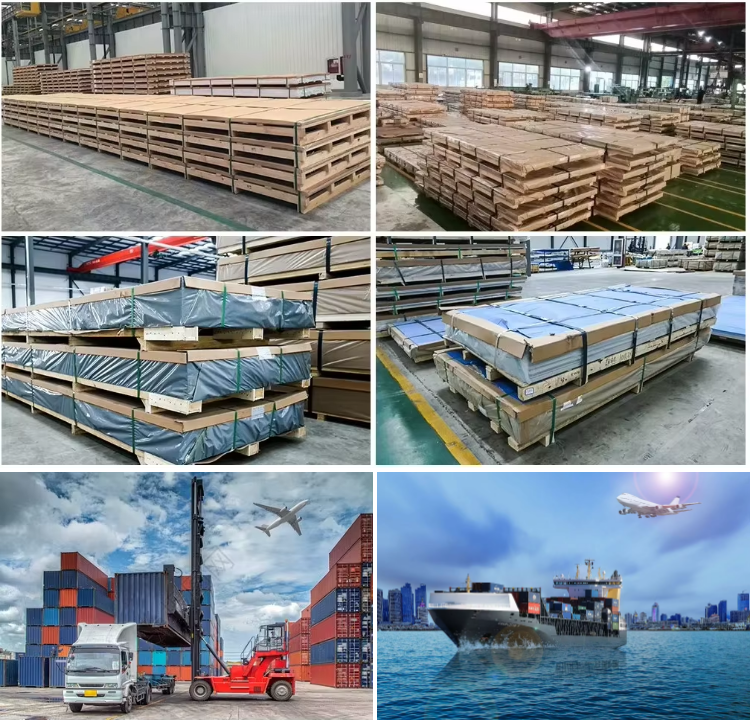
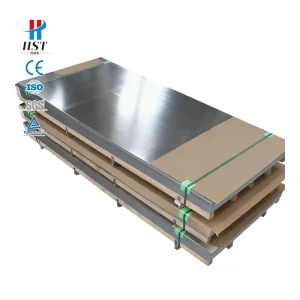
Export packing: Waterproof paper, and steel strip packed. Standard Export Seaworthy Package. Suit for all kinds of transport, or as required
Capacity: 250,000 tons/year
Our hot rolled marine steel plate can be packaged and transported according to customer needs, ensuring quality and quantity. The common sizes have long-term inventory, enabling fast delivery times.
Why Choose Us
The core reason for choosing our marine steel plate is its excellent comprehensive performance, which can fully meet the demanding requirements of marine environments. The following is a specific analysis of advantages:
1. Corrosion resistance
Resists harsh marine environments and oxidation.
2. High strength & toughness
Designed to withstand large structural impacts.
3. Lightweight design
Optimized structure weight without losing structural integrity.
4. Excellent processing
Performs outstandingly during standard manufacturing procedures.
Economy: Although the unit price is higher, the overall life cycle cost is lower.
Environmental friendliness: The materials are recyclable and in line with the trend of green shipbuilding.
Other Services:
- We can provide free samples for you to inspect and check.
- We can provide personalized customization services, such as adding specified colors and meeting other custom needs on the product.
- We welcome you to inspect our production facilities.
Please contact us if you have any inquiry, we would like to provide our competitive price and good service to you.
Cooperative Partner & Certificate
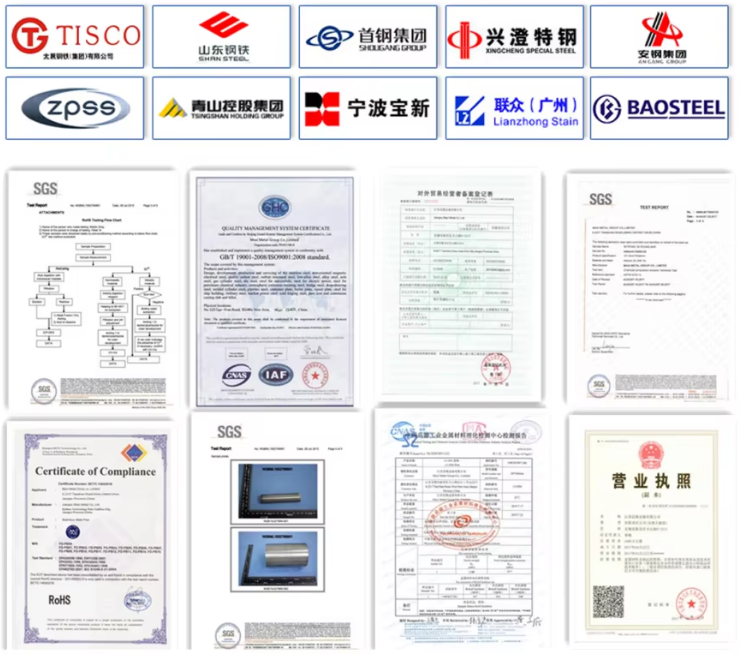
In order to meet customer request of hot rolled marine steel plate, we established long term friendly cooperation with famous domestic mill plates, as well as actively pursues partnerships with major global steel mills. We can provide any customer needs for a certificate for conformity.
Product Applications
The main uses of marine steel plates include manufacturing various key parts of ships, ensuring the structural strength, corrosion resistance, and safety of ships. The specific uses are as follows:
Hull Structure
Ship steel plates are the main materials used to construct the skeleton of a ship, including decks, bottoms, bulkheads, and other parts that must withstand various loads during navigation.
Cabin and Deck
Manufactures cabins and decks. The cabin needs to withstand internal pressure and external environment, while the deck bears the weight of personnel, cargo, and ocean waves.
Other Components
Used to manufacture other critical parts of the ship, such as pipelines, oil tanks, and pressurized vessels, depending on custom thickness and strength requirements.
Sales and Service Network
With concept of "Keep Improving, Win-win Cooperation", and executed by reliable quality and after sales service system, we gained good reputation from customers at home and abroad. We sincerely welcome you to negotiate business and make great achievement together!
Frequently Asked Questions
Q1: What are the primary characteristics of Marine Steel Plates?
Marine steel plates feature high strength to withstand large structural impacts, excellent corrosion resistance to survive seawater environments, and outstanding weldability to facilitate maintenance and repairs.
Q2: Which international standards and steel grades do you provide?
We supply grades conforming to various standards including China (A32, D32, E32, F32, A36, D36, E36, F36, A40, D40, E40, F40), America (AH32, DH32, EH32, FH32, AH36, DH36, EH36, FH36, AH40, DH40, EH40, FH40), Japan (SM400A/B/C, SM490B/C, SM570), and other specifications (P355GH, P420M, S355JR, S620Q).
Q3: Do you support third-party testing and quality inspection?
Yes, absolutely. We welcome third-party testing and customer on-site inspections. Testing methods include appearance quality checks, hardness testing, chemical composition analysis, and metallographic observation. We also provide full refunds for unqualified materials.
Q4: What are the typical packaging and delivery options?
Products are shipped within 15-20 workdays after receiving the deposit or L/C. Standard export seaworthy packaging is utilized (waterproof paper and steel strip packing), suitable for all kinds of transport or tailored to custom customer specifications.
Q5: Can you provide customized options for your steel products?
Yes, we provide personalized customization services such as specific sizing, customized colors, and other custom requirements. We can also provide free samples for quality inspection.
Q6: Where are marine steel plates commonly applied in vessels?
They are primarily used in the hull structure (decks, bottoms, bulkheads), cabin manufacturing, deck floors, pipelines, oil tanks, and other key components requiring structural durability and high seawater resistance.
 Puppet Steel