How to Choose Steel Sheets for Fabrication Projects

Time:2026-09-14 Author:Sienna
0%

Choosing steel sheets for a fabrication project affects strength, weight, weld quality, cost, and service life. The right decision begins with the working environment, not the supplier’s price list. Will the sheet face rain, salt, heat, abrasion, or repeated bending? Each condition changes the specification.

The World Steel Association reported approximately 1.89 billion tonnes of crude steel production worldwide in 2023. Its World Steel in Figures 2024 also highlights steel’s continuing importance across construction, transport, energy, and manufacturing. Edwin Basson, Director General of worldsteel, has stated, “Steel is the most recycled material in the world.” That circular advantage matters, but it does not make every sheet suitable for every application. A low-carbon sheet may support sustainability goals, while a high-strength grade can reduce weight and forming capacity. Those benefits can conflict.

This guide explains how to choose steel sheets for fabrication projects using practical selection criteria. It examines grade, thickness, surface condition, mechanical properties, formability, weldability, corrosion resistance, and certification. ASTM International standards, AISI guidance, and project-specific drawings should support the final choice. European fabricators may also need EN standards and CE-related documentation.

Small details matter.

A sheet that looks perfect on delivery may warp during cutting. A cheaper grade may require slower welding or additional finishing. I have seen specifications focus heavily on tensile strength while overlooking bend radius and heat distortion. That assumption can fail. The strongest sheet is not automatically the best sheet. Fabricators should verify mill certificates, tolerances, coating thickness, and actual workshop conditions before production begins.
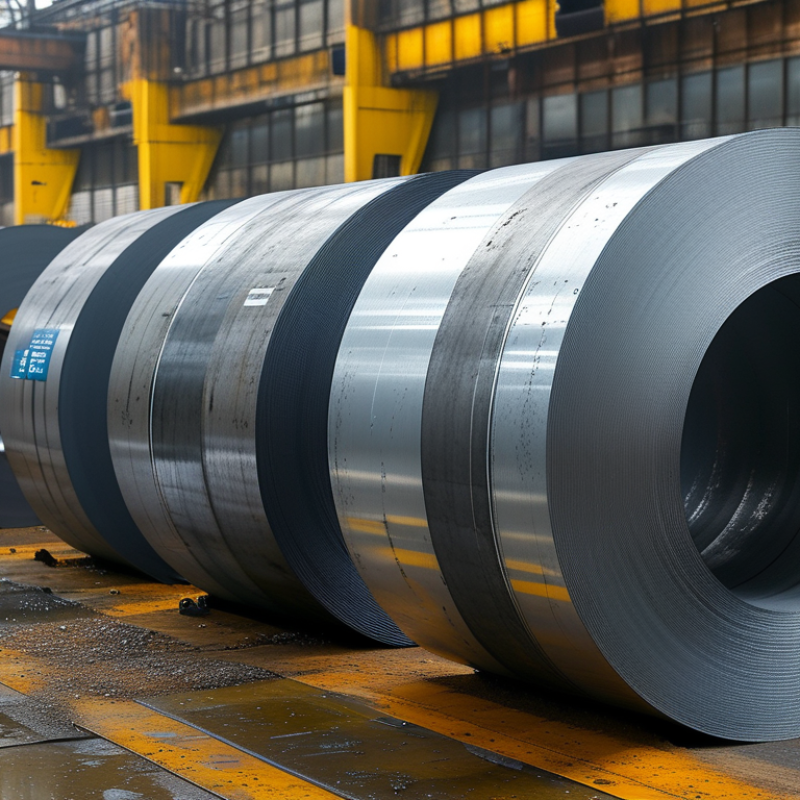
How to Choose Steel Sheets for Fabrication Projects

Define the Project’s Structural and Fabrication Requirements

How to Choose Steel Sheets for Fabrication Projects

Define the Project’s Structural and Fabrication Requirements

Start with the forces, not the steel catalogue. Identify dead loads, impact, vibration, span length, support conditions, and expected service life. A sheet for a guarded platform faces different demands than one for a decorative enclosure. AISC 360-22 separates strength and serviceability considerations, so deflection matters alongside ultimate load capacity. That detail is often missed.

Record the fabrication route before choosing thickness or grade. Will the sheet be laser-cut, bent, rolled, drilled, or welded? A 6 mm sheet may carry the load, but repeated bending can still cause cracking or distortion. Check the minimum bend radius, heat input, weld access, dimensional tolerance, and surface condition. ASTM A6/A6M provides dimensional and quality requirements for many structural plate products, but project specifications may be stricter.

Corrosion also changes the decision. Outdoor frames near road salt need more protection than indoor supports. The World Steel Association reported approximately 1.89 billion tonnes of crude steel production in 2023, showing the material’s scale, not its suitability for every project. Material choice remains project-specific. The cheapest sheet is not always the economical sheet. A common mistake is selecting thickness from habit. Recheck the connection design, because bolts and welds may govern before the sheet does. Consult a qualified engineer when loads, fatigue, fire exposure, or public safety are involved.

Select the Steel Grade for Strength, Formability, and Service Conditions

Choosing steel sheet begins with the service load, not the lowest purchase price. Not every stronger sheet is better. Mild steel often offers excellent formability, while high-strength low-alloy grades reduce thickness and weight. ASTM A36, for example, specifies a minimum yield strength near 250 MPa. ASTM A572 Grade 50 raises that value to about 345 MPa. Higher strength can also increase springback, cracking risk, and forming-tool wear.

Match the grade to the manufacturing process. Deep-drawn panels need controlled elongation and a suitable r-value. Brackets and frames may prioritize yield strength and fatigue resistance. Check bend radius, hole expansion, welding heat input, and edge quality before approval. A sheet that bends well in a sample may fail after piercing. That detail is easy to miss. The World Steel Association reported global crude steel production of about 1.89 billion tonnes in 2023, showing the scale of available material choices, but production volume does not guarantee application fitness.

Service conditions deserve equal attention. NACE’s IMPACT study estimated global corrosion costs at approximately $2.5 trillion, or 3.4% of global gross domestic product. Select coating systems, weathering grades, or stainless alternatives when moisture, salt, chemicals, or elevated temperatures are expected. Verify actual exposure rather than relying on a generic indoor rating. Data sheets can simplify reality. They cannot replace a prototype, weld coupon, or bend test. Recheck the decision after considering transport damage, maintenance access, and the operator’s forming experience.

How to Choose Steel Sheets for Fabrication Projects - Select the Steel Grade for Strength, Formability, and Service Conditions

Steel Grade / Specification Typical Product Form Minimum Yield Strength Minimum Tensile Strength Formability and Fabrication Weldability Service Conditions Best-Fit Applications Important Selection Notes
ASTM A36 Carbon Structural Steel Hot-rolled sheet, strip, and plate 36 ksi (250 MPa) for common thickness ranges 58–80 ksi (400–550 MPa) Good general-purpose forming, cutting, drilling, and machining. Suitable for moderate bends when the material condition and thickness are controlled. Generally good with conventional arc-welding processes. Use an appropriate procedure for thickness, restraint, and hydrogen control. Indoor, general structural, and moderately demanding outdoor environments. Requires a coating or other protection for sustained corrosion exposure. Frames, brackets, base plates, equipment supports, guards, and general fabricated structures Economical and widely available, but it provides less strength than HSLA grades and is not inherently corrosion resistant.
ASTM A572 Grade 50 HSLA Steel Hot-rolled sheet, strip, and plate 50 ksi (345 MPa) 65 ksi (450 MPa) Good fabrication performance, although higher strength may require larger bend radii and more forming force than A36. Generally weldable when carbon equivalent, thickness, joint restraint, preheat, and procedure requirements are evaluated. Structural service where higher load capacity or reduced section weight is needed. Requires separate corrosion protection in aggressive environments. Load-bearing frames, transport structures, lifting equipment, platforms, and heavy-duty machinery components Can reduce weight compared with A36, but forming and welding controls become more important as thickness and restraint increase.
ASTM A588 Grade A Weathering Steel Weathering sheet and plate 50 ksi (345 MPa) for common thickness ranges 70 ksi (485 MPa) Comparable to other HSLA structural steels, but forming limits, bend radius, and surface condition should be verified for the selected thickness. Weldable with qualified procedures. Welding consumables and joint design should be selected to maintain the required weathering performance. Outdoor atmospheric exposure where alternating wet and dry cycles allow a protective patina to form. Not recommended for continuously wet, submerged, marine-salt, or poorly drained conditions without engineering review. Outdoor structures, architectural panels, bridges, rail-related structures, and exposed equipment frames Corrosion performance depends on the environment, drainage, surface contamination, and exposure cycle; the patina does not form reliably in every location.
ASTM A606 Type 4 High-Strength Low-Alloy Steel Cold-rolled or hot-rolled sheet and strip Grade and thickness dependent; verify the applicable product table Grade and thickness dependent; verify the applicable product table Usually offers better strength-to-weight performance than mild steel. Forming limits depend strongly on thickness, temper, direction, and required bend radius. Generally weldable with a qualified procedure. Confirm chemistry and welding requirements for the exact heat and thickness. Atmospheric exposure where enhanced resistance to ordinary corrosion is beneficial. Performance decreases in continuously damp, sheltered, or chloride-rich conditions. Truck and trailer components, agricultural equipment, storage systems, panels, and fabricated outdoor parts Do not select by grade name alone; confirm the certificate, mechanical-property range, coating requirements, and intended exposure environment.
ASTM A1008 CS Type B Cold-Rolled Carbon Steel Cold-rolled sheet Not generally specified as a fixed minimum for this commercial steel grade 45 ksi (310 MPa) minimum Excellent for shallow drawing, bending, flanging, and general sheet-metal forming when the ordered quality and thickness are appropriate. Generally good for resistance welding and common fusion-welding methods with suitable process settings. Clean, dimensionally controlled indoor applications. Requires paint, plating, galvanizing, or another protective system for corrosive service. Cabinets, enclosures, covers, light-duty panels, brackets, and formed interior components Choose a drawing-quality or deep-drawing specification when severe forming is required; commercial steel should not be assumed suitable for deep draws.
ASTM A1011 SS Grade 50 HSLA Steel Hot-rolled sheet and strip 50 ksi (345 MPa) 65 ksi (450 MPa) Good balance of strength and formability for many fabricated parts. Use a suitable bend radius and account for springback during forming. Generally weldable, subject to the selected chemistry, thickness, heat input, and qualified welding procedure. General structural and equipment service. It is not a stainless or weatherproof grade, so corrosion protection is normally required outdoors. Machine components, structural panels, frames, brackets, and formed parts requiring moderate strength Useful when hot-rolled sheet is preferred for cost or thickness, but surface finish and dimensional tolerances may differ from cold-rolled products.
AISI 304 Austenitic Stainless Steel Cold-rolled or hot-rolled sheet and plate 30 ksi (205 MPa) minimum, annealed condition 75 ksi (515 MPa) minimum, annealed condition Very good ductility and deep-drawing capability, but substantial work hardening and springback can require higher forming force and tooling adjustments. Generally excellent weldability. Control heat input and clean the joint area to limit distortion and contamination. Good resistance to many indoor, food-processing, architectural, and mildly corrosive environments. Performance is reduced by chlorides and stagnant moisture. Tanks, guards, kitchen and process equipment, architectural panels, and corrosion-sensitive fabricated parts Surface finish, chloride exposure, crevice conditions, and post-weld cleaning can significantly affect service life.
AISI 316L Austenitic Stainless Steel Cold-rolled or hot-rolled sheet and plate 25 ksi (170 MPa) minimum, annealed condition 70 ksi (485 MPa) minimum, annealed condition Good forming capability with work hardening and springback similar to other austenitic stainless steels. Very good weldability. The low-carbon chemistry helps reduce sensitization risk after welding, although proper cleaning and procedure control remain necessary. Better resistance than 304 in many chloride-bearing, chemical, coastal, and mildly marine environments, but it is not immune to pitting or crevice corrosion. Chemical-processing equipment, coastal hardware, pharmaceutical equipment, tanks, and hygienic fabrications Use environmental testing or engineering review for concentrated chlorides, elevated temperatures, immersion, or severe chemical exposure.

Selection reminder: Mechanical values shown are representative minimum requirements for the listed specifications and common product conditions; exact limits vary with thickness, product form, grade, and applicable edition of the standard. Confirm the material certificate, thickness tolerance, surface condition, bend requirements, welding procedure, corrosion environment, and applicable design code before purchasing or fabricating.

Choose the Appropriate Sheet Thickness and Dimensions

Sheet thickness and dimensions should be chosen from the fabrication load, not from habit. A 1.5 mm sheet may suit a light enclosure, while a 6 mm plate is more appropriate for a welded support. Start with load, span, bending radius, hole size, and joining method. Then check the finished part’s weight. Small mistakes become expensive.

The World Steel Association reported 1.892 billion tonnes of crude steel production in 2023. This scale supports broad availability, but it does not guarantee every thickness locally. ASTM A6/A6M also shows that permitted thickness and flatness tolerances depend on the product specification. Ask the supplier for certified actual dimensions, not only nominal values. A 2,000 mm sheet may lose useful area after trimming, edge damage, or distortion.

Measure twice.

For bending work, leave enough allowance for the inside radius and springback. Thicker sheets usually need larger radii and greater forming force. Oversizing the sheet can reduce joints, yet it may increase cutting waste and handling risk. The World Steel Association’s World Steel in Figures 2024 confirms steel’s massive production base, but project reliability still depends on the exact grade, thickness tolerance, and delivery condition. I would not finalize dimensions from a drawing alone. Test one sample, inspect the bend, and revise the cutting plan when the result disagrees with the calculation.

How to read this chart: Steel sheet mass increases linearly with thickness. The values are calculated using a typical carbon-steel density of 7,850 kg/m³, so a 1 mm sheet weighs approximately 7.85 kg per square metre. Use thinner sheets for lighter panels and enclosures, and thicker sheets when greater stiffness, impact resistance, or load capacity is required. Final selection should also consider sheet dimensions, bending requirements, support spacing, and fabrication tolerances.

Evaluate Surface Finish, Coatings, and Corrosion Resistance

When choosing steel sheets, I inspect the surface before discussing price or thickness. A clean, even finish reduces grinding, rework, and visible defects after fabrication. Mill scale can hide pits, scratches, and early rust. That detail matters. For visible panels, a pickled or smoother surface may produce a better painted result. However, excessive smoothness can reduce coating adhesion if preparation is poor.

The working environment should guide coating selection. Indoor, dry projects may need only a suitable primer and topcoat. Outdoor structures, coastal equipment, and areas exposed to chemicals demand stronger corrosion protection. Galvanized or pre-coated sheets can improve durability, but cut edges, drilled holes, and weld zones still require attention. I have seen protected panels rust around untreated fasteners. The sheet was not the real failure.

Before ordering, check coating thickness, surface condition, storage history, and the supplier’s inspection documents. Ask whether the coating suits bending, welding, and painting. Some coatings crack during tight bends, while others release harmful fumes during welding and require controlled procedures. Test a small sample when the finish is critical. It costs less than repairing an entire enclosure. I once underestimated condensation in a covered workspace, and the selected finish performed poorly within months. That mistake changed how I assess ventilation, drainage, and maintenance access. A corrosion-resistant sheet still needs thoughtful design.

Verify Standards, Availability, Cost, and Fabrication Compatibility

Choosing steel sheets for fabrication starts with a verified standard, not a familiar grade. Confirm the required standard, grade, thickness tolerance, surface condition, and delivery form. Ask for a current mill certificate and match its heat number to the sheets. This small check prevents expensive confusion later. Standards can overlap, but their testing requirements may differ. An engineer or qualified inspector should review substitutions before production.

Availability affects design more than many teams expect. Check stock, minimum order quantities, cutting services, and realistic lead times. A low quoted price loses value when material waits six weeks. Compare total cost, including freight, nesting waste, storage, edge preparation, and inspection. I have seen a cheaper sheet create more scrap because its usable dimensions were ignored. That mistake looked minor on paper.

Fabrication compatibility needs a practical trial. Confirm whether the sheet can be cut, bent, punched, welded, or machined with your equipment. Review bend radius, springback, heat input, weldability, and surface protection. Harder grades may resist wear but demand more forming force. Thinner sheets can reduce weight, yet they may distort during welding. Test a small piece when the grade or thickness is unfamiliar. I would not treat a supplier datasheet as the whole answer. Shop experience, qualified procedures, and actual tolerances often reveal problems before the first full batch.

FAQS

What should I check before choosing a steel sheet?

Start with loads, span length, supports, vibration, impact, and service life. A decorative panel needs less strength than a working platform. Deflection matters too. That detail is often missed.

How does fabrication affect sheet selection?

Record the process before choosing thickness or grade. Consider cutting, bending, rolling, drilling, and welding. A sheet may carry the load but crack during repeated bending. Check bend radius, heat input, weld access, and tolerances.

How do I choose the correct sheet thickness?

Base thickness on load, span, hole size, bending radius, and joining method. A thin sheet may suit a light enclosure. A thicker plate may suit a welded support. Do not choose from habit.

What should I consider when selecting sheet dimensions?

Check usable dimensions after trimming, edge damage, and distortion. Oversized sheets can reduce joints but increase waste and handling risk. Measure twice. Then review the cutting plan.

How should bending requirements influence my decision?

Leave allowance for the inside radius and springback. Thicker sheets usually require greater forming force. Test one sample before cutting the full batch. The first result may disagree with the calculation.

How does corrosion affect steel sheet selection?

Outdoor frames near road salt need stronger protection than indoor supports. Consider coating, drainage, storage, and expected exposure. Cheap material may become expensive after early maintenance. The cheapest sheet is not always economical.

What documents should I request from a supplier?

Request certified actual dimensions, grade, thickness, surface condition, and delivery form. Check the certificate against the delivered sheets. Confirm the heat number when required. Paperwork alone is not enough.

How can I compare the true cost of steel sheets?

Include freight, cutting, nesting waste, storage, edge preparation, and inspection. A low price may hide six weeks of waiting. Usable area matters. I have underestimated scrap before.

Conclusion

Choosing the right steel sheet is essential for achieving a safe, durable, and cost-effective fabrication result. This guide explains how to choose steel sheets for fabrication projects by first defining the project’s structural loads, forming processes, welding needs, and operating environment. The selected steel grade should provide the required balance of strength, formability, toughness, and resistance to heat, moisture, chemicals, or wear. It is equally important to select a suitable sheet thickness and dimensions that meet design requirements while minimizing waste and unnecessary weight.

The guide also highlights the importance of surface finish, protective coatings, and corrosion resistance, especially for components exposed to demanding conditions. Before purchasing, fabricators should verify applicable material standards, certificates, availability, lead times, and total cost. Finally, the steel sheet must be compatible with planned cutting, bending, machining, and joining methods to ensure efficient production, reliable performance, and consistent quality.

Sienna

Sienna

Sienna is a skilled marketing professional with a deep expertise in our company’s core products and services. With a passion for innovation and detail, she plays a pivotal role in crafting insightful blog posts that not only highlight the unique features of our offerings but also provide valuable......