When discussing steel production, one important topic arises: what is the difference between hot rolled and cold rolled steel? Both manufacturing processes produce unique materials suited for different applications.
Hot rolled steel is created by heating the metal above its recrystallization temperature. This method allows for easier shaping and forming. It typically has a rough surface and may have some scale. Cold rolled steel, on the other hand, is processed at room temperature. This results in a smoother finish and better dimensional accuracy.
Understanding these key differences is essential for choosing the right material. The choice affects the final product's strength, surface quality, and overall performance. While hot rolled steel is ideal for structural components, cold rolled steel is favored for precision parts. Each method showcases unique advantages and disadvantages. Making the right decision requires careful consideration of each type's characteristics.
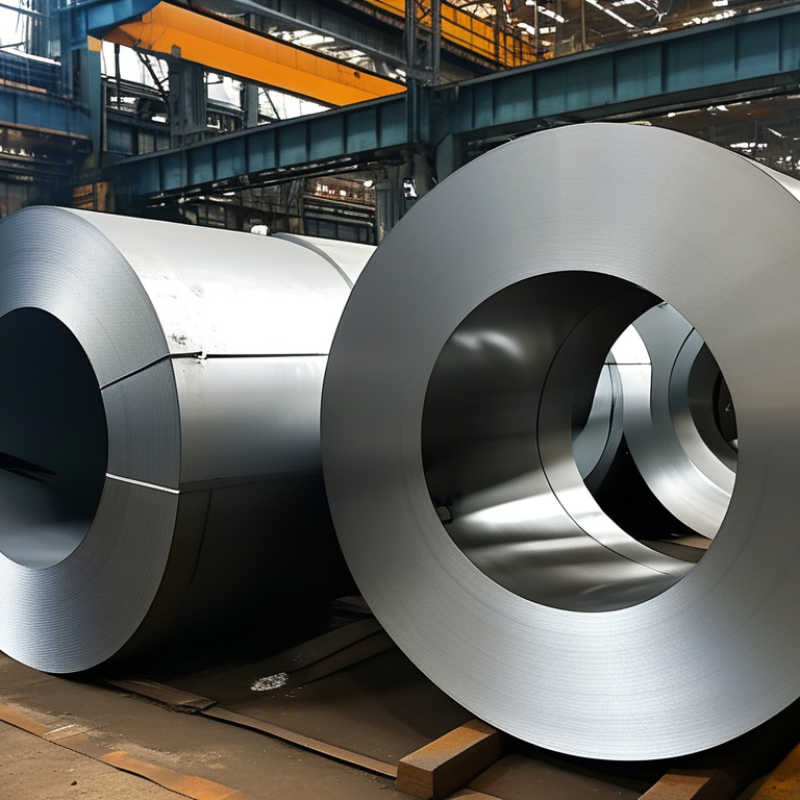
Hot rolled steel is produced by heating steel above its recrystallization temperature. This process makes the steel easier to shape and form. Typically, hot rolled steel has a rough surface finish. The dimensions are less precise than cold rolled steel. This is because the steel cools at room temperature after being rolled. Any resulting shrinkage can cause slight variances in size.
Hot rolled steel is often used in construction and manufacturing. It is ideal for structural components. However, it may not be suitable for applications requiring tight tolerances. Many industries appreciate the cost-effectiveness of hot rolled steel. Yet, some projects demand a more refined finish and accuracy. In such cases, cold rolled steel would be preferable.
The choice between hot and cold rolled steel largely depends on the intended use. While hot rolled steel presents advantages, it comes with trade-offs. Understanding these characteristics can lead to better decision-making. Every project has unique requirements that should be considered.
Cold rolled steel is a type of steel that undergoes processing at room temperature. This method enhances its strength and surface finish. The process involves rolling the steel sheets through a series of rollers. As it cools, it becomes more rigid and precise in dimensions. This makes cold rolled steel suitable for applications requiring detailed shapes.
The characteristics of cold rolled steel include a smooth surface finish and tighter tolerances. It is often used in the manufacturing of precise components such as automotive parts and appliances. Unlike hot rolled steel, cold rolled steel is less ductile. Therefore, it is more susceptible to cracking during severe bending, a factor that requires careful consideration during production.
Tips: When selecting steel for projects, consider the required strength and ductility. Cold rolled steel may not always be ideal for heavy-duty applications. Always evaluate your project's specific needs before making a choice.
| Characteristic | Hot Rolled Steel | Cold Rolled Steel |
|---|---|---|
| Manufacturing Process | Rolled at high temperatures (above 1700°F) | Rolled at room temperature |
| Surface Finish | Rough, scaled surface | Smooth, clean surface |
| Thickness Tolerance | Less precise | More precise |
| Strength | Generally lower strength | Higher strength due to work hardening |
| Applications | Construction, welding, and heavy machinery | Automotive, appliances, and furniture |
| Cost | Generally lower cost | Generally higher cost |
Hot rolled and cold rolled steel have distinct properties that impact their applications. Hot rolled steel is produced by rolling steel at elevated temperatures, typically over 1,700°F. This process leads to reduced hardness and enhanced ductility. The result is often a material with a rougher surface finish, making it suitable for structural applications. Cold rolled steel, however, is processed at room temperature. This technique increases yield strength and gives a smoother surface, which is desirable for precision applications.
Experts highlight that hot rolled steel has lower production costs. This can be advantageous for large-scale projects. On the other hand, cold rolled steel offers tighter tolerances and improved surface quality. A recent industry report suggests that around 70% of cold rolled steel is used in manufacturing parts for appliances and vehicles.
Tips: When selecting steel, consider the end application. For structural integrity, hot rolled may suffice. But for aesthetic finishes, cold rolled is preferred. Always consult steel specifications to ensure the right choice for your project. Remember, cost differences can arise, so factor in your budget as well.
This chart compares the mechanical properties of Hot Rolled and Cold Rolled Steel. It highlights the differences in yield strength, tensile strength, elongation percentage, and hardness level.
Hot rolled and cold rolled steel have distinct applications based on their manufacturing processes. Hot rolled steel is produced by rolling steel at high temperatures, while cold rolled steel is processed at room temperature. Because of these differences, their applications vary significantly.
Hot rolled steel is commonly used in construction and heavy machinery. Its toughness and malleability make it ideal for structural beams, sheets, and plates. These products can withstand harsh environments and are often utilized in building frameworks and industrial equipment. However, they may not have the best surface finish.
On the other hand, cold rolled steel is favored in applications requiring precision and surface quality. It is often used in automotive parts, appliances, and furniture. Cold rolled steel's smooth finish allows for easier painting and coating. Yet, its production process can make it more expensive than hot rolled steel, which raises questions about its cost-effectiveness in some projects.
Hot rolled and cold rolled steel are commonly used in manufacturing. The production processes for these steel types differ significantly. Hot rolled steel is made by heating steel above its re-crystallization temperature. This process allows for easier shaping. However, it can lead to lower precision in dimensions and a rough surface finish. Conversely, cold rolled steel is processed at room temperature, enhancing its strength and improving surface quality. Its manufacturing demands more energy and time, thus it incurs higher costs.
The cost implications for both steel types are important to consider. Hot rolled steel is typically less expensive due to its simpler manufacturing process. However, this cost-effectiveness comes with trade-offs. The rough surface may require additional finishing work, which can increase overall expenses. Cold rolled steel, while pricier, often reduces further treatment needs. Its consistency and mechanical properties justify the higher price for certain applications, such as automotive or structural parts.
Exploring the choice between these steel types involves weighing costs and benefits. For projects that demand high precision and strength, investing in cold rolled steel may be worthwhile. Yet, if budget constraints are paramount, hot rolled steel offers an economical alternative. Understanding these factors can lead to better decision-making in material selection.
: Hot rolled steel is steel heated above its recrystallization temperature for easier shaping.
It has a rough surface finish, often less precise than cold rolled steel.
It is typically used in construction and manufacturing for structural components.
Cold rolled steel provides tighter tolerances and a more refined finish for specific applications.
Yes, hot rolled steel is usually less expensive due to simpler manufacturing processes.
While it is cost-effective, it may require additional finishing work, raising overall costs.
Hot rolled steel is processed at high temperatures, while cold rolled is processed at room temperature.
Consider project requirements, precision needs, and budget constraints when selecting materials.
Cold rolled steel is pricier, but its mechanical properties can justify the expense for certain applications.
Yes, it can shrink during cooling, leading to slight size variances.
The article "What is the difference between hot rolled and cold rolled steel?" explores the fundamental distinctions between these two types of steel processing. Hot rolled steel is defined by its production at high temperatures, rendering it malleable and easy to shape, while cold rolled steel is processed at room temperature, resulting in a more precise and smooth finish. The characteristics of each type highlight their unique properties, such as strength, durability, and surface quality.
A comparative analysis reveals that hot rolled steel is typically used in construction and heavy-duty applications due to its lower cost and superior ductility, whereas cold rolled steel is favored for products requiring a finer surface and tighter tolerances, such as automotive parts and appliances. Understanding the cost implications and manufacturing processes associated with both types is crucial for making informed decisions in various industrial applications.

Puppet Steel