Selecting steel sheets for roofing projects requires careful consideration. The right choice can impact durability, cost, and aesthetics. Understanding how to select steel sheets for roofing projects is essential for achieving long-lasting results.
When evaluating steel sheets, pay attention to material quality. Various grades exist, each suitable for different environments. Corrosion resistance is a key factor when projects face harsh weather. Think about the thickness of the sheets; too thin can lead to damage, while too thick may add unnecessary weight.
Consider the finish of the steel sheets as well. Coated sheets resist rust and enhance appearances. It's crucial to understand your local climate and building requirements. Poor choices can lead to complications in the long run. Reflect on past projects to learn from any mistakes made in selecting materials. Craftsmanship and knowledge in this area are vital for success.
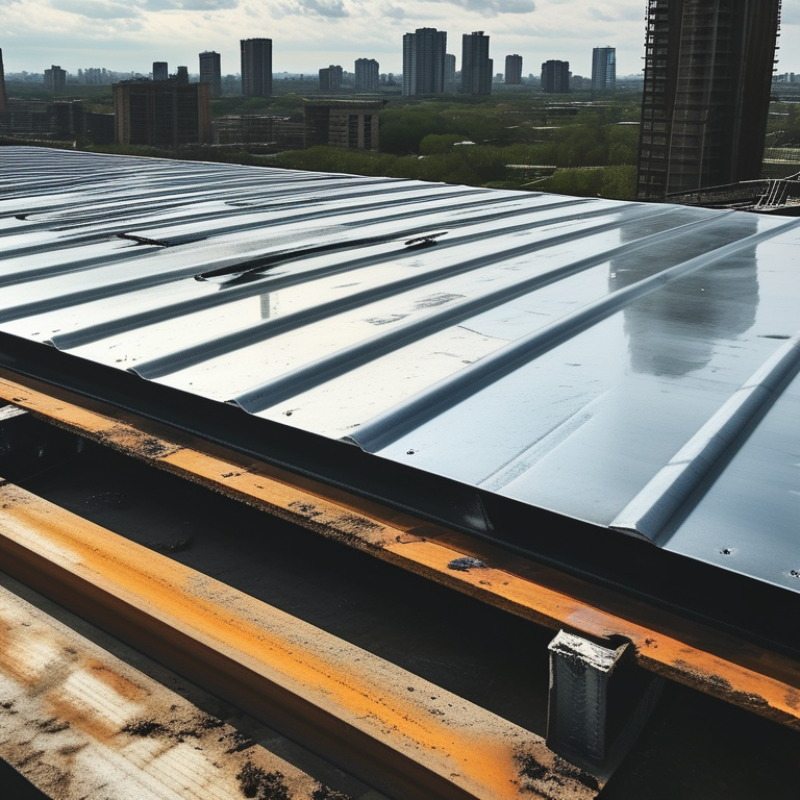
When selecting steel sheets for roofing, understanding the types available is crucial.
Common types include Galvanized Steel,
Galvalume, and
Stainless Steel.
Galvanized steel, coated with zinc, offers decent corrosion resistance and is cost-effective.
Galvalume combines aluminum and zinc, providing superior protection against rust.
Stainless steel, while more expensive, boasts exceptional durability and aesthetic appeal.
According to a report by the Metal Roofing Alliance, metal roofs, including steel options, hold a life expectancy of
40 to 70 years. This longevity makes the upfront investment worthwhile.
In contrast, traditional roofing materials often need replacement within 20 years, highlighting the need for quality metal sheets.
Tip: Always check for certifications. Look for materials that meet
ASTM standards, ensuring quality and durability.
Choosing the right thickness is also essential. Standard steel thickness for roofing ranges from
24 to 26 gauge. Thicker sheets often provide better impact resistance,
useful in hail-prone areas. However, heavier materials can increase installation complexity and cost.
Tip: Balance your budget with the necessary thickness. Sometimes, investing in quality
pays off in the long run.
Keep in mind that not all steel sheets are created equal. While some offer great warranties, verify the manufacturer's credibility.
A product may look good, but flaws can surface later. Always seek feedback from experienced contractors to avoid potential pitfalls
in your roofing project.
When selecting steel sheets for roofing, one crucial aspect is thickness. Generally, a thickness range of 24 to 20 gauge is recommended for residential roofing. Thicker sheets provide better durability and can withstand harsh weather conditions. However, a thicker sheet also means increased weight. This can complicate installation and affect support structures. Therefore, balancing thickness with the building's framework is essential.
Durability is another key consideration. Steel sheets must resist rust and corrosion, particularly in harsh climates. Choosing sheets with galvanized or coated finishes can enhance longevity. Some may overlook the importance of these treatments, thinking all steel is durable. Skipping these can result in increased maintenance costs over time. It's vital to evaluate local weather conditions and other environmental factors that can impact the steel sheet’s performance.
Before purchasing, it’s important to consult with a roofing professional. They can provide insights based on experience and technical knowledge. Selecting the right product is crucial for ensuring the roof lasts. Not every project is the same, and individual needs may vary. This requires careful assessment and sometimes, trial and error, to find the right solution.
When selecting steel sheets for roofing, the coating and finish options play a vital role in performance and durability. According to the American Iron and Steel Institute, appropriate coatings can help steel withstand different environmental conditions. For instance, galvanized steel, coated with zinc, offers excellent corrosion resistance. This type can last up to 50 years if installed correctly.
Another option is Galvalume, a blend of zinc and aluminum. Reports indicate that Galvalume can provide superior protection against oxidation and rust. It performs well in harsh climates, preserving the steel's integrity longer than uncoated sheets. However, it is essential to assess local weather patterns and environmental exposure before making a final choice.
Color and aesthetic finish also impact decision-making. Specific coatings can enhance energy efficiency by reflecting sunlight. Studies suggest that lighter colors can reduce cooling costs by as much as 15%. However, darker finishes might work better in cooler climates. It's crucial to weigh the benefits of aesthetics against practical performance needs. Each project's unique demands warrant careful consideration of all available options.
When selecting steel sheets for roofing projects, environmental factors play a crucial role. The local climate can significantly affect the longevity and performance of the roofing materials. In humid areas, select sheets with corrosion-resistant coatings. These coatings will help prevent rust and extend the life of your roof. Conversely, in arid climates, the heat can warp less durable steel, making the choice of material even more critical.
The sustainability of steel sheets should also be considered. Recycled steel is often a viable option. It reduces the need for new raw materials and minimizes waste. However, not all recycled steel is equal. Research the sourcing and processing practices of the steel sheets you consider. Factory emissions and energy use vary across manufacturers, impacting environmental footprints. Weighing these details adds complexity to your selection, but it's essential for responsible roofing.
Also, reflect on local environmental regulations. In some regions, there are guidelines around material composition and disposal. Ignoring these could lead to fines or costly adjustments later. Choosing the right steel sheets for roofing isn't just about aesthetics or cost. It's a balance between functionality, sustainability, and compliance with local environmental standards. Each decision impacts not only the building but also the surrounding ecosystem.
| Material Type | Thickness (mm) | Weight (kg/m²) | Environmental Resistance | Cost ($/m²) |
|---|---|---|---|---|
| Galvanized Steel | 0.50 | 5.0 | Good | 3.00 |
| Stainless Steel | 0.60 | 7.5 | Excellent | 4.50 |
| Aluzinc | 0.45 | 4.5 | Good | 2.80 |
| Coated Steel | 0.50 | 5.0 | Moderate | 3.50 |
| High-Strength Steel | 0.70 | 8.0 | Good | 5.00 |
When budgeting for steel sheets in roofing projects, it's crucial to consider both the initial purchase price and the long-term value. Steel roofing is often more expensive upfront than other materials. However, its durability and low maintenance make it cost-effective over time. By evaluating the total lifecycle costs, including installation and potential repairs, homeowners can make informed decisions. Consider also the local climate. In areas prone to severe weather, investing in higher-quality steel sheets can save money over time.
It's important to research material specifications. Different steel grades and coatings affect price and performance. A thicker gauge may cost more but offers better protection and longevity. Don't forget to factor in the labor costs associated with installation. Skilled contractors can ensure the steel sheets are installed correctly, which minimizes future issues. Remember, cheaper isn't always better. Some lower-priced options may lack durability and lead to higher expenses down the line.
During the selection process, reflect on your specific needs. Additionally, seek advice from knowledgeable professionals. They can help identify the best options within your budget. Stay open-minded and be prepared to adjust your budget for quality materials. This flexibility can enhance the overall outcome of your roofing project. Each decision, from the type of steel to installation methods, contributes to the final effectiveness of your roofing solution.
: Consider environmental factors, durability, coating options, and local climate. Each plays a vital role in performance.
In humid areas, corrosion-resistant coatings are vital. In arid climates, warping could occur with less durable steel.
Galvanized steel has zinc coating for corrosion resistance. Galvalume combines zinc and aluminum for superior oxidation protection.
Yes, lighter colors reflect sunlight, potentially reducing cooling costs by up to 15%. They are great for warmer climates.
Recycled steel offers environmental benefits, but sourcing varies. Research production practices to ensure lower environmental impacts.
Ignoring regulations can lead to fines and costly adjustments. Compliance is crucial for both economy and the ecosystem.
If installed correctly, galvanized steel can last up to 50 years. Proper installation is essential for longevity.
The finish can impact energy efficiency. Balance aesthetic desires against practical performance needs for effective decision-making.
No, not all recycled steel is equal. Investigate sourcing and processing to understand the environmental footprint.
Aesthetic choices should not compromise performance. Evaluate the unique needs of your project alongside your visual preferences.
Selecting the right steel sheets for roofing projects is crucial for ensuring durability and efficiency. Understanding the various types of steel sheets available is the first step, as different materials come with specific properties that suit different roofing needs. Evaluating thickness and durability helps in determining how well the sheets can withstand environmental stresses, while analyzing coating and finish options enhances both aesthetic appeal and longevity. Additionally, considering environmental factors, such as local climate conditions, plays a pivotal role in the selection process.
Budgeting effectively is also key when deciding how to select steel sheets for roofing projects, as cost can significantly impact the overall project expenses. It's important to balance quality with cost-effectiveness, ensuring that the selected materials provide value without compromising on durability and performance. By thoroughly addressing these considerations, you can make informed decisions that result in a successful roofing project.

Puppet Steel