In the contemporary realm of civil engineering and commercial construction, concrete blocks—specifically known as Concrete Masonry Units (CMUs)—serve as the foundational blocks of modular infrastructure. The global market for concrete blocks is undergoing a massive technological shift. According to recent industrial data, the demand for precast concrete components and advanced masonry blocks is projected to grow exponentially, driven by rising infrastructure requirements in rapid-urbanization regions and stringent carbon-neutral policies in developed economies. Today, developers look beyond simple clay bricks; they demand high-strength, low-shrinkage, and highly insulating block systems that can lower total cost of ownership (TCO) and ensure the life safety of structural projects.
Within this environment, the European Economic Area's CE certification acts as the premier benchmark of safety and performance. Regulated under the harmonized European standard EN 771-3 (Specification for masonry units - Aggregate concrete masonry units), CE certified concrete blocks are thoroughly tested for compressive strength, dimensional stability, density, thermal and acoustic properties, and reaction to fire. For international contractors, purchasing certified blocks is no longer optional—it is a critical compliance check that protects their liability and assures building inspectors of material integrity. Globally, the commercial market is separating into commoditized basic blocks and high-precision, engineered structural units capable of interlocking, insulating, and supporting multi-story loads without traditional heavy frameworks.
High-density aggregate blocks paired with steel reinforcements absorb complex shear stresses in active seismic zones.
High-density compositions provide excellent sound transmission loss (STC) ratings, perfect for multi-family residential setups.
Engineered lightweight aggregates or air-entrained structures minimize heat transfer, cutting down building energy requirements.
A legitimate CE mark signifies compliance with EU Regulation 305/2011 (the Construction Products Regulation or CPR). As a premier concrete block manufacturer and exporter, our production lines conform strictly to AVCP System 2+. Under this rigorous system, an independent Notified Body conducts periodic inspections of our Factory Production Control (FPC) systems, monitoring raw material sourcing, automated batch mixing, curing processes, and laboratory testing protocols.
For structural masonry, the technical metrics must be consistently verified. Key performance parameters evaluated include:
By utilizing low-alkali Portland cement (ASTM C150 Type I/II) blended with supplementary cementitious materials (SCMs) such as fly ash and ground granulated blast-furnace slag (GGBS), our concrete blocks show superior resistance to sulfate attack and alkali-silica reactions (ASR), guaranteeing a service life of over 100 years in coastal or wet environments.
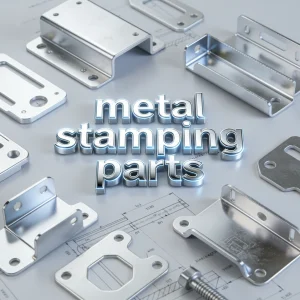
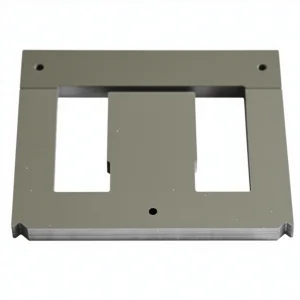
In modern high-performance structural systems, concrete and steel are not isolated choices. They are interconnected elements. A reinforced concrete block masonry wall requires steel reinforcement, structural plates, and high-tensile lintels to function properly. Our industrial integration connects these two sectors, ensuring that projects benefit from optimized tolerances, balanced thermal expansions, and unified procurement.
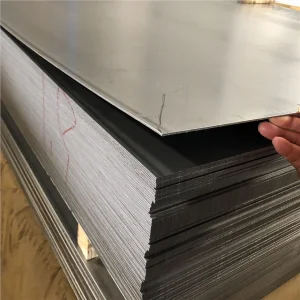
Ningbo Puppet Steel Co., Ltd. is a professional Steel Sheet Manufacturer | Cold Rolled, Hot Rolled & Galvanized Steel Supplier committed to providing high-quality steel products and customized metal solutions for customers worldwide. Serving industries such as construction, infrastructure, manufacturing, automotive, energy, home appliances, and industrial equipment, the company has built a strong reputation for reliable products and consistent service.
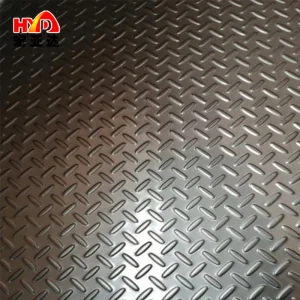
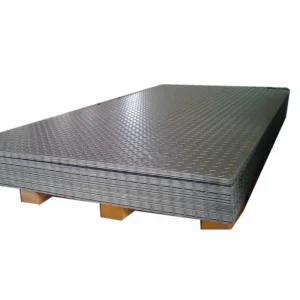
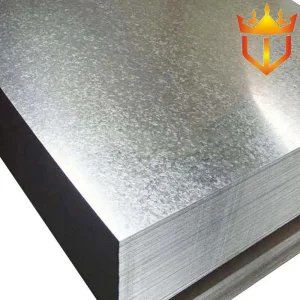
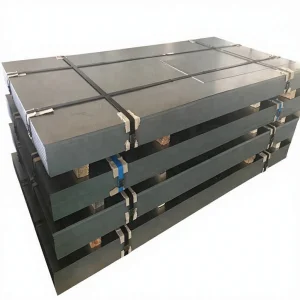
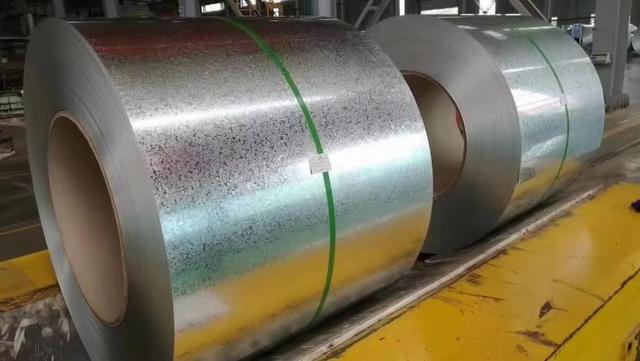
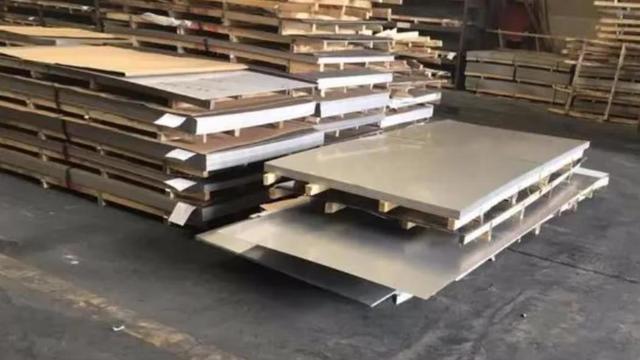
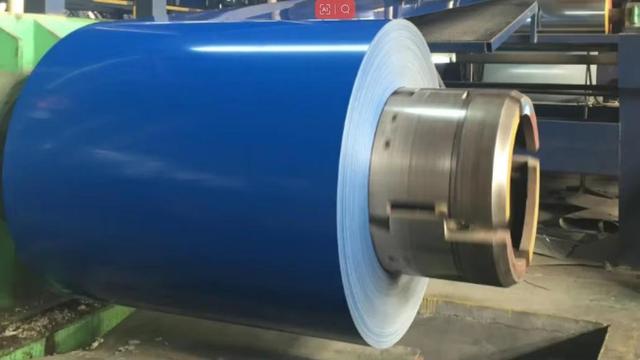
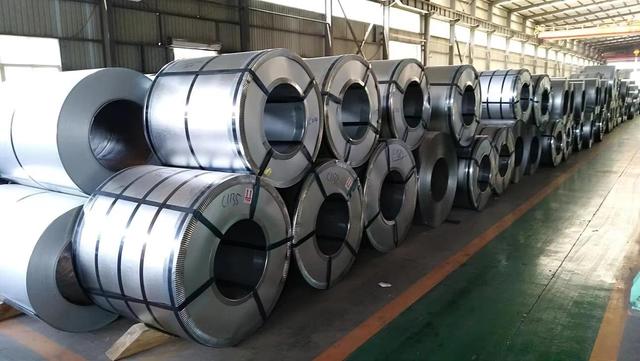
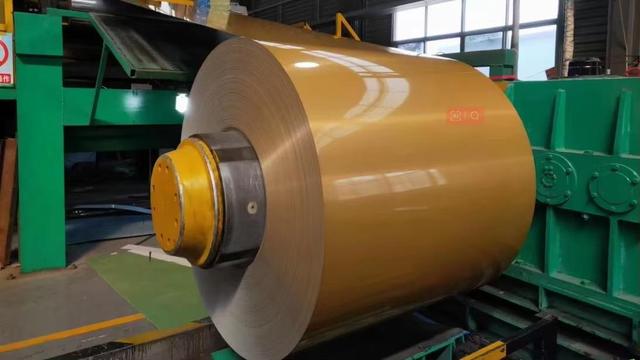
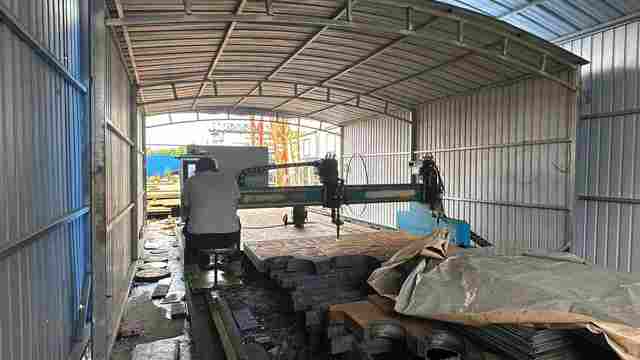
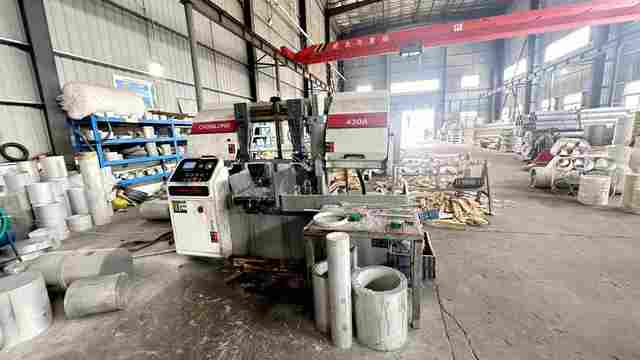
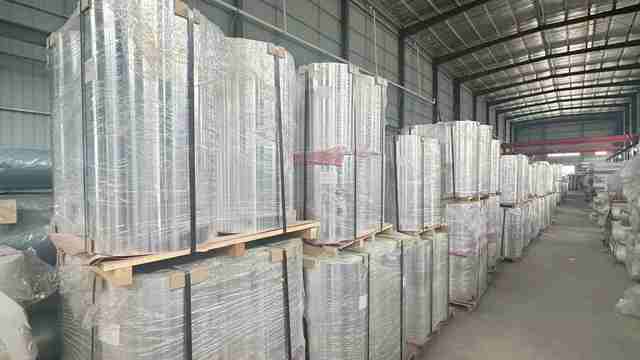
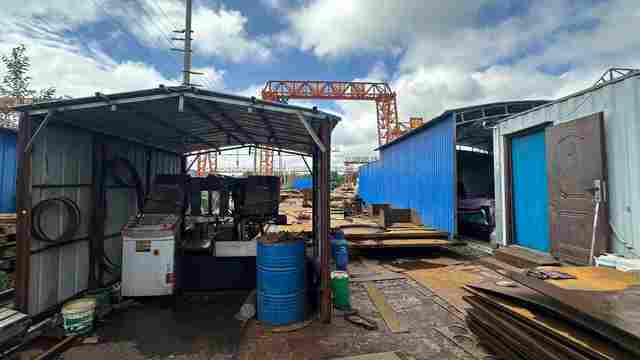
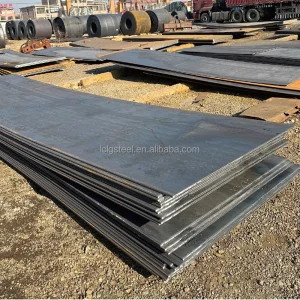
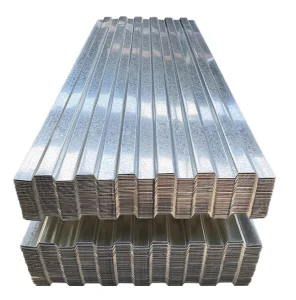
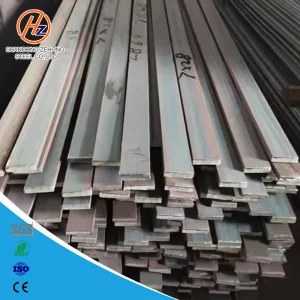
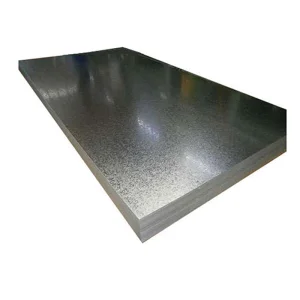
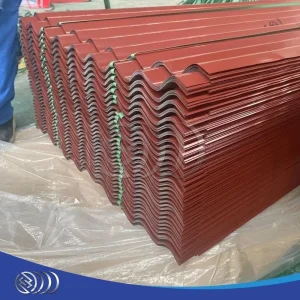
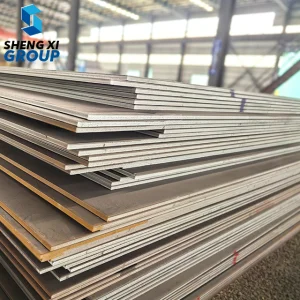
Located in Ningbo, China, Puppet Steel operates advanced processing and manufacturing facilities equipped with modern production lines and precision quality inspection systems. The company specializes in a comprehensive range of steel products, including cold rolled steel sheets, hot rolled steel sheets, galvanized steel sheets, galvalume steel sheets, prepainted steel sheets, carbon steel sheets, structural steel sheets, and customized steel processing solutions.
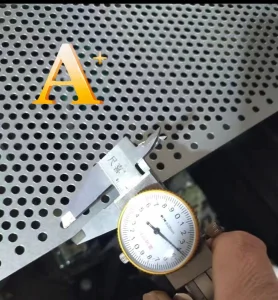
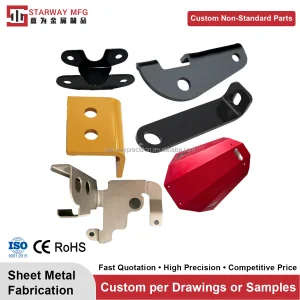
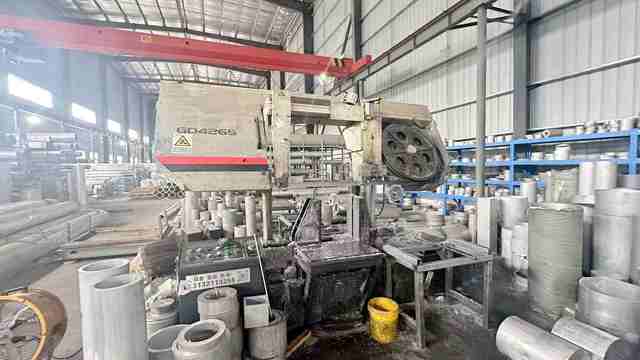
With extensive industry experience, the company offers flexible OEM and customized manufacturing services to meet various project requirements. From material selection and cutting to surface treatment and packaging, every production stage is carefully managed to ensure product consistency, dimensional accuracy, and long-term performance. Strict quality control procedures are implemented throughout the manufacturing process to comply with international standards and customer specifications.
Puppet Steel focuses on delivering durable, corrosion-resistant, and cost-effective steel products suitable for demanding applications in both domestic and international markets. The company maintains long-term partnerships with contractors, distributors, wholesalers, fabricators, and industrial manufacturers across North America, Europe, Southeast Asia, the Middle East, and other global regions.
Driven by innovation, quality, and customer satisfaction, Ningbo Puppet Steel Co., Ltd. continuously invests in technology upgrades and production efficiency improvements. Through competitive pricing, stable supply capacity, timely delivery, and professional technical support, the company strives to become a trusted global partner for steel sheet manufacturing and metal material solutions.
China's industrial leadership in construction materials is driven by advanced manufacturing automation and integrated supply chains. Our concrete block manufacturing facilities leverage automated batching, high-vibration compaction, and steam-curing technology. This setup minimizes batch-to-batch variation, which is a common issue with smaller, non-industrial regional producers.
Our production process features key operational advantages:
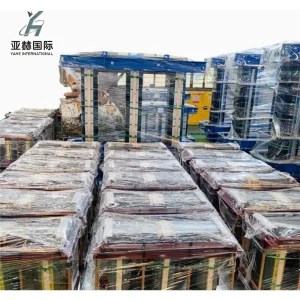
Logistically, our location in Ningbo is a major asset for global buyers. Ningbo-Zhoushan Port is one of the world's busiest container hubs. This allows us to load and ship cargo efficiently, securing reliable transit times and competitive ocean freight rates. Our logistics team handles complex customs clearance, container stabilization, and moisture-proof packaging, ensuring that your materials arrive intact and ready for site deployment.
Concrete blocks must be adapted to different regional environments. Our product line is designed to perform across diverse climates and structural requirements:
The construction sector is focused on reducing carbon emissions, and masonry production is adapting. Our current R&D efforts target green concrete technologies. We are actively working to reduce the embodied carbon of our blocks by:
Sourcing heavy structural materials internationally requires thorough quality control and logistics planning. To ensure a smooth process, we advise buyers to focus on key quality and commercial metrics:
EN 771-3 regulates standard aggregate concrete masonry units. Compliance means the blocks have been certified for compressive strength, net/gross density, dimensional tolerances, and moisture movement. This ensures the structural performance matches the design calculations of the engineering team.
We use low-alkali Portland cement mixed with SCMs (GGBS/Fly Ash) and waterproofing additives. This reduces block porosity and helps resist sulfate attacks and chloride penetration in high-humidity coastal environments.
Yes. Our structural steel sheets, hot-rolled steel plates, and customized lintels are designed to integrate directly with our concrete blocks. This provides a complete material package, ensuring consistent expansion rates and reducing procurement complexity.
Standard lead times are 15 to 25 days from contract finalization. This includes the curing cycles required to guarantee the structural design strength of the blocks before shipping.
 Puppet Steel