In the vanguard of modern material science, titanium has transitioned from an aerospace-exotic metal to an indispensable backbone of high-stakes industrial processing. Among its various physical formats, Titanium Coils represent the pinnacle of continuous metallurgical processing, enabling rapid fabrication, minimizing weld lines, and offering unparalleled structural continuity.
As a global leader in high-performance metals, Ningbo Puppet Steel Co., Ltd. has expanded its deep manufacturing expertise from traditional steel architectures to advanced titanium alloy processing. Our state-of-the-art cold and hot rolling mills enable the production of premium-grade titanium coils (complying strictly with ASTM B265 and ASME SB265 standards) that satisfy the stringent demands of modern chemical processing, seawater desalination, aerospace structures, and power generation fields.
By integrating high-end raw material sourcing with advanced vacuum annealing and precision levelers, we ensure that every titanium coil delivered possesses a uniform grain structure, optimal mechanical properties, and pristine surface quality.
Understanding the distinct metallurgical behaviors of commercially pure (CP) titanium grades and key alloys is critical to selecting the correct material for your engineering requirements.
| Titanium Grade | Type | Tensile Strength (MPa) | Yield Strength (MPa) | Primary Application Fields |
|---|---|---|---|---|
| Grade 1 (CP) | Commercially Pure (Highest Ductility) | ≥ 240 | 170 - 310 | Explosive cladding, deep drawing, plate heat exchangers, chemical storage vessels. |
| Grade 2 (CP) | Commercially Pure (Standard Industrial) | ≥ 345 | 275 - 450 | Marine piping, shell-and-tube heat exchangers, flue gas desulfurization systems. |
| Grade 5 (Ti-6Al-4V) | Alpha-Beta Alloy (High Strength) | ≥ 895 | ≥ 828 | Aerospace structural frames, military defense systems, high-stress automotive components. |
| Grade 7 (Ti-Pd) | CP Titanium + Palladium (Acid Resistant) | ≥ 345 | 275 - 450 | Highly reductive chemical processes, pickling tanks, offshore oil extraction. |
| Grade 12 (Ti-0.3Mo-0.8Ni) | Low-Alloy Titanium (Enhanced Creep Resistance) | ≥ 480 | ≥ 345 | High-temperature chemical plants, geothermal exchangers, pressure vessels. |
While Grade 2 is the standard workhorse for general industrial applications, engineering environments featuring high concentrations of hydrochloric or sulfuric acids at elevated temperatures will trigger rapid passivation breakdown in pure titanium. By utilizing Grade 7 (doped with 0.12% to 0.25% Palladium), the critical corrosion potential of the alloy shifts to a noble direction, reducing the corrosion rate by up to two orders of magnitude under acidic conditions. Ningbo Puppet Steel provides custom-slitted Grade 7 and Grade 12 coils for critical chemical infrastructure.
In the Gulf Coast refining corridor, titanium coils are processed into heat exchangers and piping loops carrying highly corrosive hydrocarbon mixtures. The presence of naphthenic acid and hydrogen sulfide at elevated temperatures demands the continuous corrosion resistance of ASTM B265 Grade 2 titanium.
Operating under hyper-saline conditions at temperatures exceeding 80°C, Multi-Stage Flash (MSF) and Multiple Effect Distillation (MED) plants in Saudi Arabia and the UAE rely on thin-walled titanium tubes fabricated from cold-rolled coils to eliminate chloride-induced stress corrosion cracking.
North Sea offshore platforms and naval vessels utilize titanium for ballasting systems, hull penetrations, and cooling circuits. Because titanium is immune to marine biofouling and velocity-assisted erosion, it offers a design life of over 50 years with zero maintenance.
The global metal market faces unpredictable challenges—from raw material export bans to maritime logistics bottlenecks. Located in the world-class logistics hub of Ningbo, China, Ningbo Puppet Steel Co., Ltd. offers structural advantages that directly translate to lower Total Cost of Ownership (TCO) for our overseas partners:
1. Proximity to Deepwater Port: Our location near the Ningbo-Zhoushan port, the world's busiest port by cargo tonnage, ensures containerized and bulk shipments can be dispatched with minimum inland transport lag.
2. Upstream Material Alliances: We maintain strategic raw material agreements with leading Chinese titanium sponge producers in Shaanxi and Liaoning. This vertically integrated network insulates our clients from pricing spikes and guarantees the purity of the starting melt.
3. Multilateral Material Processing: Beyond titanium, our factory specializes in a comprehensive range of steel sheets, including cold rolled, hot rolled, galvanized, and prepainted sheets. This diverse engineering capacity allows us to bundle materials for multi-disciplinary industrial projects, saving procurement teams time and money.
As manufacturing boundaries expand, Ningbo Puppet Steel continues to invest in technologies that define the future of metallurgy.
International compliance is the baseline of E-E-A-T (Experience, Expertise, Authoritativeness, and Trustworthiness). At Ningbo Puppet Steel, we support our partners with documentation packages that guarantee material origin and performance:
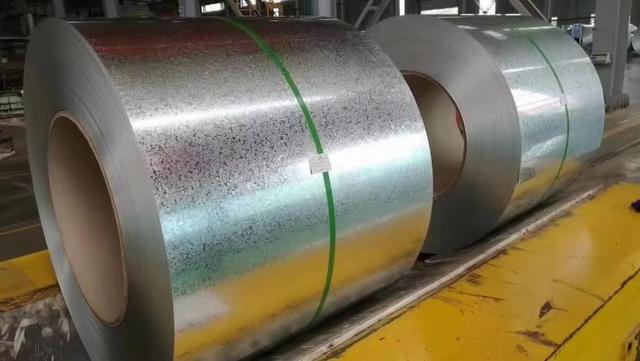
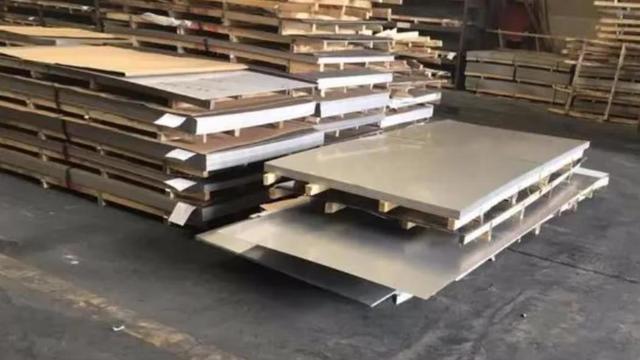
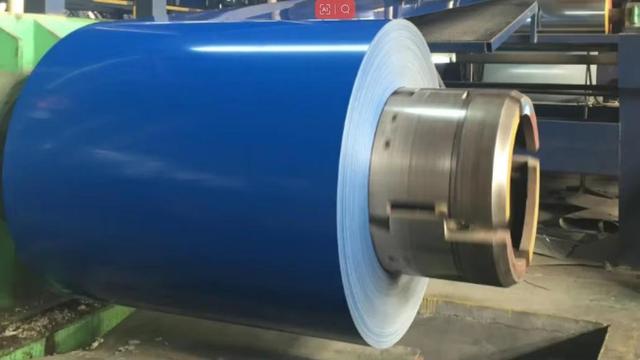
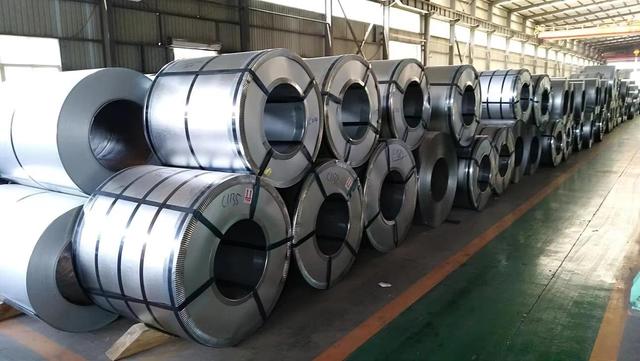
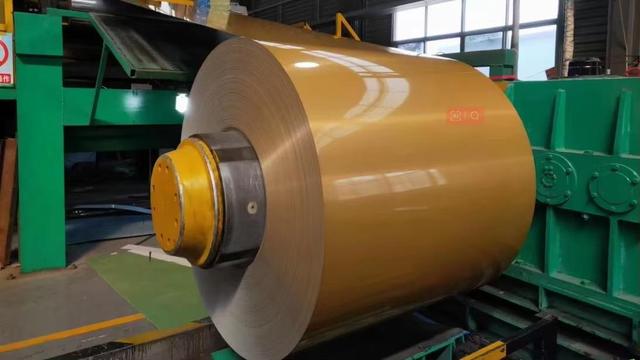
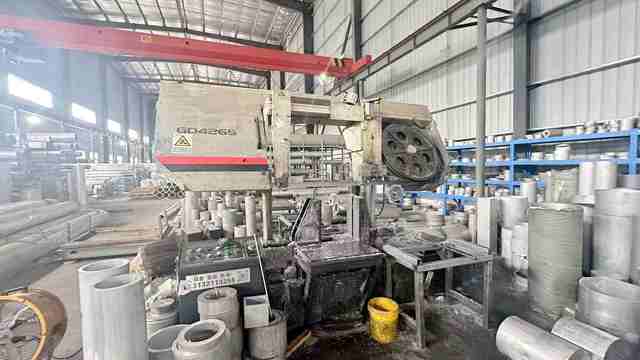
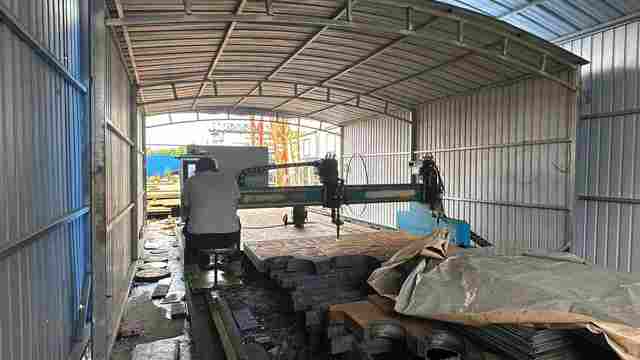
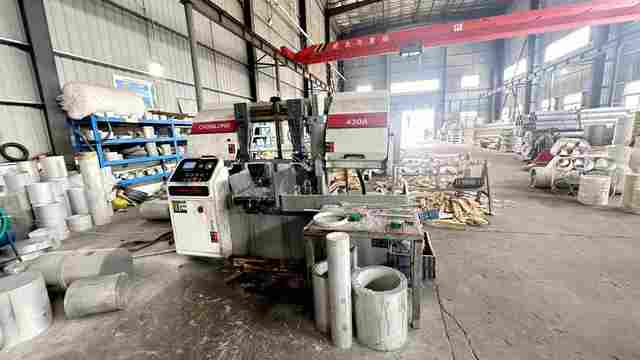
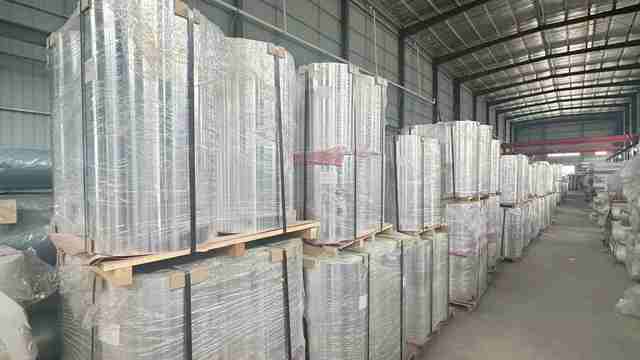
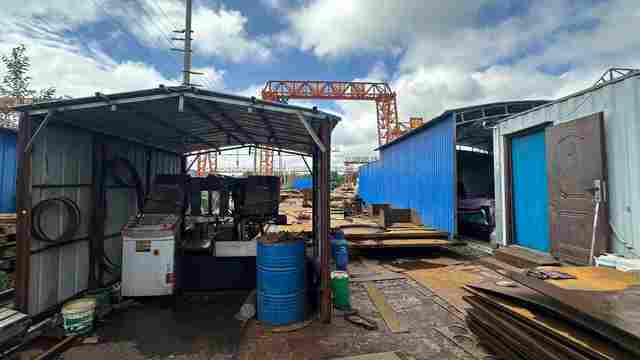
A visual walkthrough of the scale, technology, and quality control systems deployed at the Ningbo Puppet Steel facilities.
 Puppet Steel