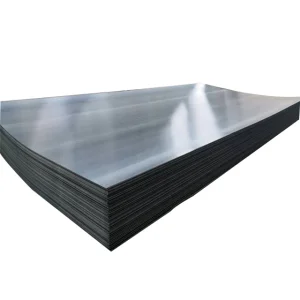
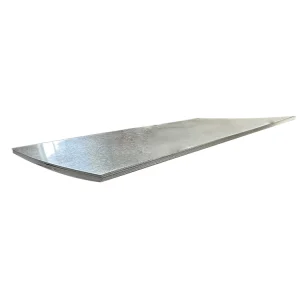
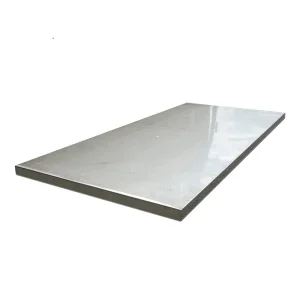
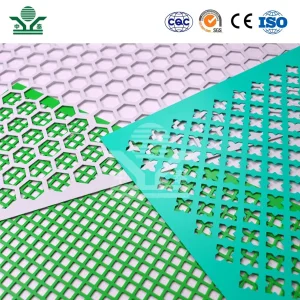
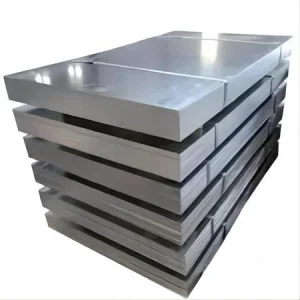
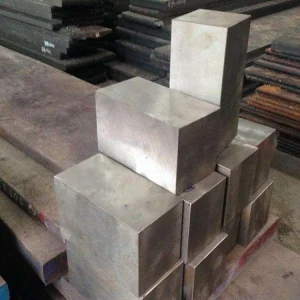
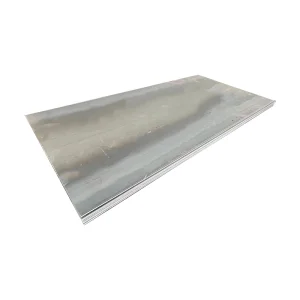
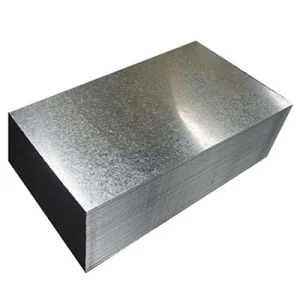
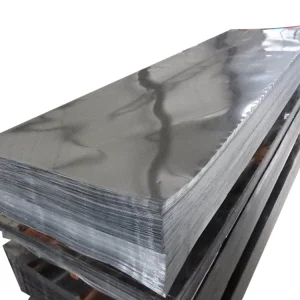
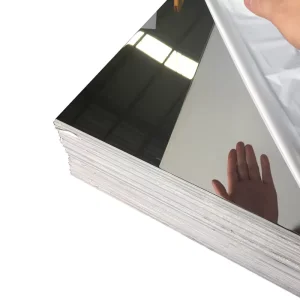
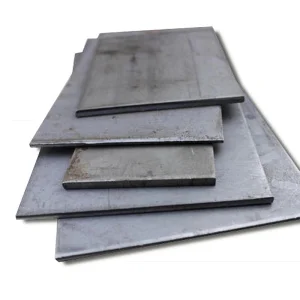
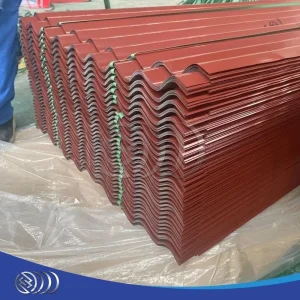
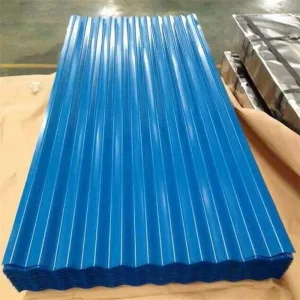
Premium structural metal inventory engineered to meet global standards of tolerance and tensile strength.
In the matrix of modern metallurgy, Brass Coils represent a critical nexus of high electrical conductivity, mechanical malleability, and robust corrosion resistance. As precision engineering sectors undergo rapid evolution—particularly within the domains of electric mobility, telecommunications infrastructure, and microelectronics—the demand for high-purity, tight-tolerance brass coils has escalated exponentially. Navigating the selection of trusted brass coils suppliers and exporters requires a granular understanding of alloy chemistry, manufacturing mechanics, and global logistics framework.
Industrial brass is categorized systematically based on its copper-to-zinc ratio and the inclusion of micro-alloying elements like lead, tin, aluminum, and nickel. Leading global exporters structure their inventory to meet various ASTM, EN, and JIS designations:
| Alloy Grade (UNS) | Nominal Composition | Core Mechanical Characteristics | Primary Industrial Applications |
|---|---|---|---|
| C26000 (Cartridge Brass) | 70% Cu, 30% Zn | Maximum ductility in alpha-phase brasses, excellent deep drawing capability. | Ammunition casings, electrical connectors, heat exchanger headers. |
| C26800 (Yellow Brass) | 65% Cu, 35% Zn | High strength combined with moderate workability, highly cost-effective. | Automotive radiator cores, terminal lugs, architecture fixtures. |
| C27200 (Common Brass) | 63% Cu, 37% Zn | Superior cold working threshold, excellent for stamping and bending. | Fasteners, industrial springs, electrical switch components. |
| C36000 (Free-Cutting Brass) | 61.5% Cu, 35.4% Zn, 3.1% Pb | Unmatched machinability index (100%), low tool wear. | High-speed screw machine parts, gears, valves, lock components. |
Precision cold rolling of these alloys permits final thicknesses ranging from ultra-thin foils (0.05 mm) to robust heavy-gauge strip material (up to 4.0 mm). Ensuring structural homogeneity during the cold-reduction cycle determines the grain size distribution, which directly influences isotropic behavior during deep drawing or stamping processes by end users.
Procuring raw materials in bulk requires a robust risk mitigation strategy. Procurement officers look beyond base pricing, focusing heavily on lead time consistency, packaging integrity (to prevent oxidation and water damage during sea transit), and the producer's raw material sourcing practices. Given the volatility of the London Metal Exchange (LME) and Shanghai Futures Exchange (SHFE) copper rates, premier brass coils exporters provide hedging mechanisms, forward pricing models, and index-linked contracts to shield global buyers from extreme pricing fluctuations.
Our engineering protocols translate to tangible performance indices verified by third-party testing agencies.
Engineered to support heavy mechanical stress, high thermal transfer, and long-term chemical resilience.
Utilizing controlled nitrogen-hydrogen mixed atmospheres to execute recrystallization annealing, rendering a clean, bright, and stain-free metallic surface ready for stamping.
From dead-soft (O temper) through half-hard (1/2H), full-hard (H), to extra-spring-hard (EH), we closely manage grain boundaries to assure exact tensile thresholds.
By conducting thermal stress-relief cycles post-rolling, our manufacturing process eliminates residual internal stresses, neutralizing susceptibility to SCC in ammoniacal environments.
In the transition toward sustainable transportation, automakers rely heavily on copper-zinc alloys to construct high-voltage distribution terminals, connectors, and busbars. Standard copper components, while electrically superior, occasionally lack the mechanical yield strength needed to withstand high-vibration automotive environments. Specially formulated brass coils (such as C26000 and C26800 variants) supply the vital spring tension and fatigue life necessary to sustain physical connection interfaces over decades of service.
Simultaneously, the telecommunications sector utilizes thin-strip brass coils as shielding materials in coaxial cabling and RF connectors. High precision slitting lines cut the coils into narrow ribbons with minimal edge burrs. This clean edge reduces electromagnetic leakage and guarantees smooth feeding into continuous stamping terminals.
Looking toward the 2025–2030 horizon, the brass manufacturing industry is focusing its research on lead-free brass formulations to comply with intensifying ecological and workplace safety legislation (such as RoHS and REACH). The integration of bismuth, silicon, or phosphorus acts as a substitute for lead to maintain machining ratings without compromising structural safety. Our engineering pipeline actively tests and expands these eco-conscious alternatives, providing a safe transition pathway for our international procurement clients.
Blending advanced metallurgy, modern facilities, and worldwide export distribution.
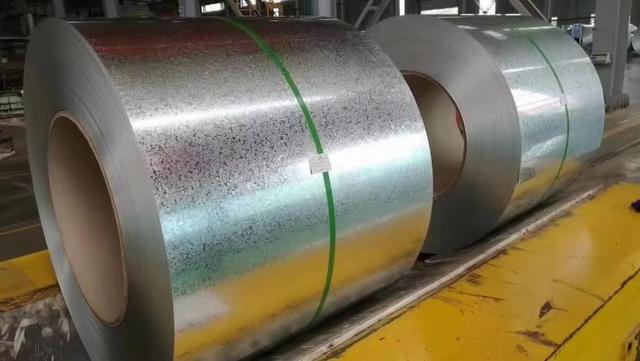
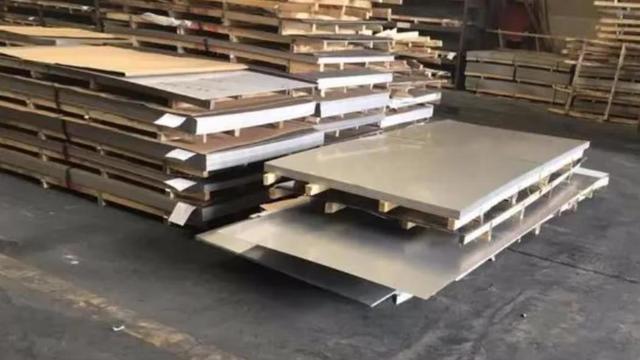
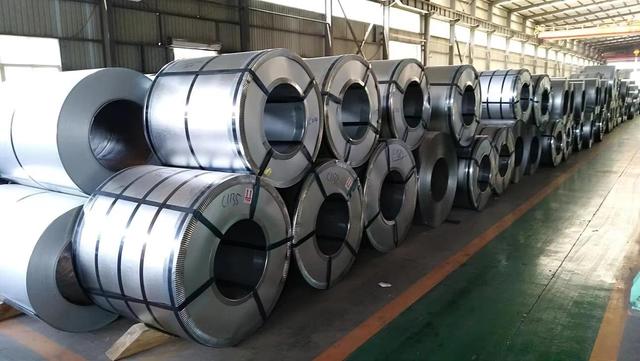
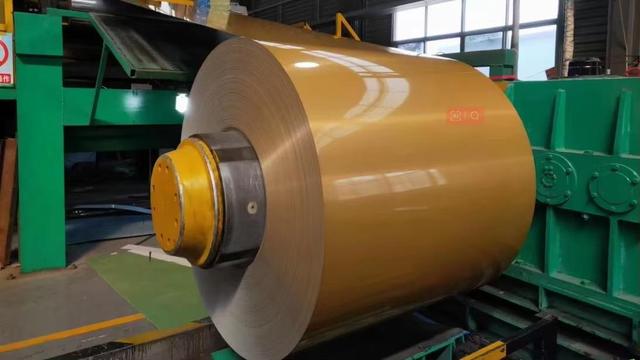
Ningbo Puppet Steel Co., Ltd. is a professional Steel Sheet Manufacturer | Cold Rolled, Hot Rolled & Galvanized Steel Supplier committed to providing high-quality steel products and customized metal solutions for customers worldwide. Serving industries such as construction, infrastructure, manufacturing, automotive, energy, home appliances, and industrial equipment, the company has built a strong reputation for reliable products and consistent service.
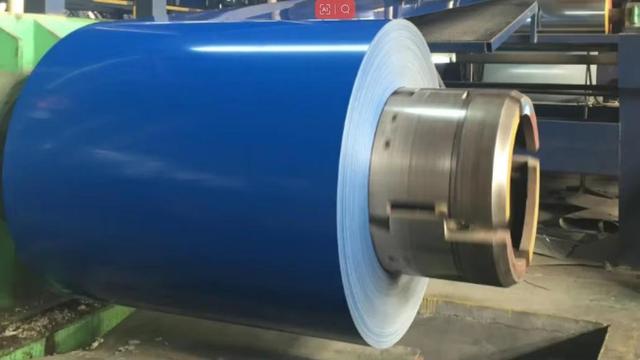
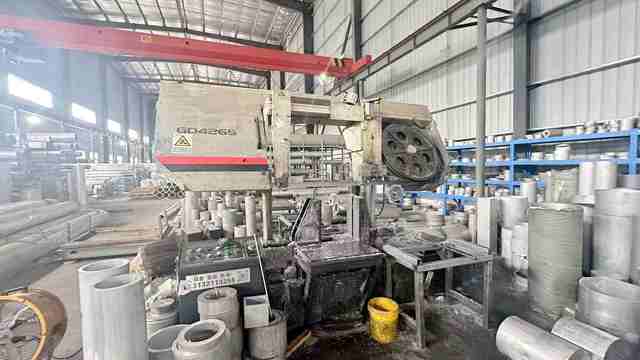
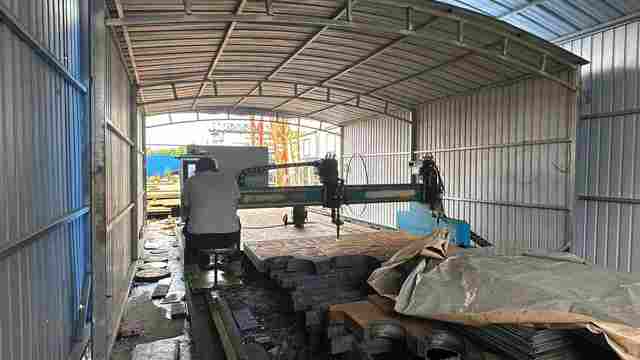
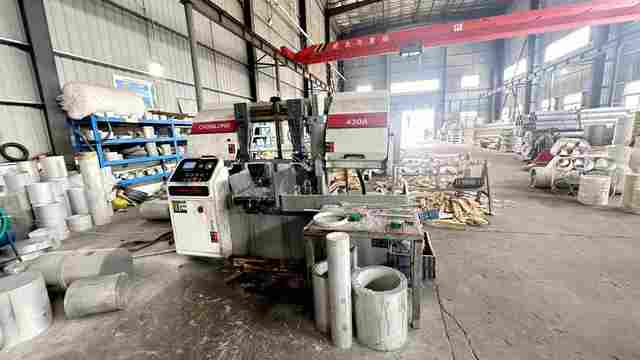
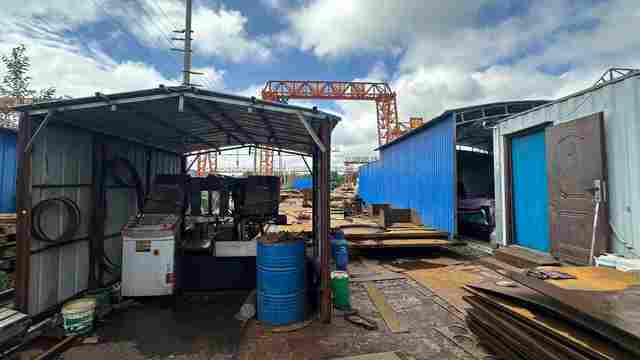
Located in Ningbo, China, Puppet Steel operates advanced processing and manufacturing facilities equipped with modern production lines and precision quality inspection systems. The company specializes in a comprehensive range of steel products, including cold rolled steel sheets, hot rolled steel sheets, galvanized steel sheets, galvalume steel sheets, prepainted steel sheets, carbon steel sheets, structural steel sheets, and customized steel processing solutions.
With extensive industry experience, the company offers flexible OEM and customized manufacturing services to meet various project requirements. From material selection and cutting to surface treatment and packaging, every production stage is carefully managed to ensure product consistency, dimensional accuracy, and long-term performance. Strict quality control procedures are implemented throughout the manufacturing process to comply with international standards and customer specifications.
Puppet Steel focuses on delivering durable, corrosion-resistant, and cost-effective steel products suitable for demanding applications in both domestic and international markets. The company maintains long-term partnerships with contractors, distributors, wholesalers, fabricators, and industrial manufacturers across North America, Europe, Southeast Asia, the Middle East, and other global regions.
Driven by innovation, quality, and customer satisfaction, Ningbo Puppet Steel Co., Ltd. continuously invests in technology upgrades and production efficiency improvements. Through competitive pricing, stable supply capacity, timely delivery, and professional technical support, the company strives to become a trusted global partner for steel sheet manufacturing and metal material solutions.
We systematically perform checking protocols on every shipment of steel sheets and non-ferrous coils:
Expert answers regarding technical tolerances, alloys, delivery, and surface optimization.
The decision is mostly determined by the severity of the cold forming required. C26000 (Cartridge Brass, 70% Cu) features a solid single-phase alpha microstructure that enables complex deformation without tearing, which is ideal for deep-drawn terminals. C26800 (Yellow Brass, 65% Cu) has slightly lower copper content and is more cost-effective. It works well for bending, moderate forming, and general stamping applications.
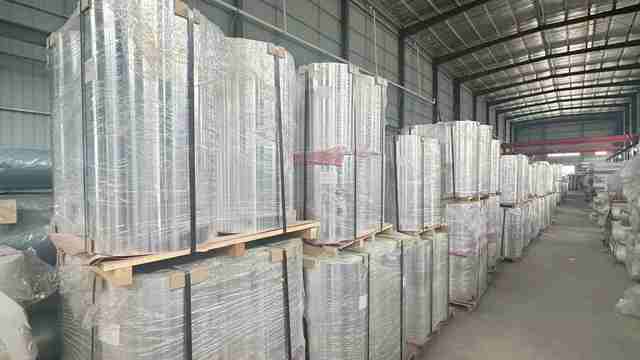
Moisture protection is critical for brass. Trustworthy exporters use a combination of thin anti-tarnish oil coatings, vapor-corrosion inhibitor (VCI) paper wrapping, and desiccant packs inside vacuum-sealed plastic liners. These packs are enclosed in rugged wooden crates designed to resist temperature shifts and saltwater vapor.
Cold rolling introduces residual internal stresses. When exposed to trace atmospheric ammonia, brass can suffer from Stress Corrosion Cracking (SCC), or season cracking. Exporters prevent this by executing a low-temperature stress-relief anneal, which relaxes these internal mechanical stresses without reducing the hardness or yield strength of the material.
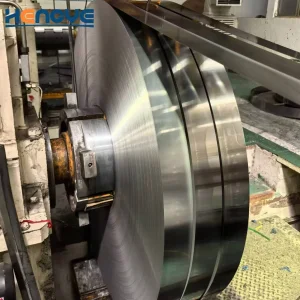
Equipped with state-of-the-art precision rotary slitting heads and custom shim configurations, modern processing lines achieve strip width tolerances as narrow as ±0.05 mm, and down to ±0.01 mm for specialized electronic connector materials. Clean edges with minimal burr heights are maintained throughout the process.
Premium structural materials engineered to perform under demanding conditions across global infrastructure and manufacturing sectors.
 Puppet Steel