Product Description
What is a perforated sheet?
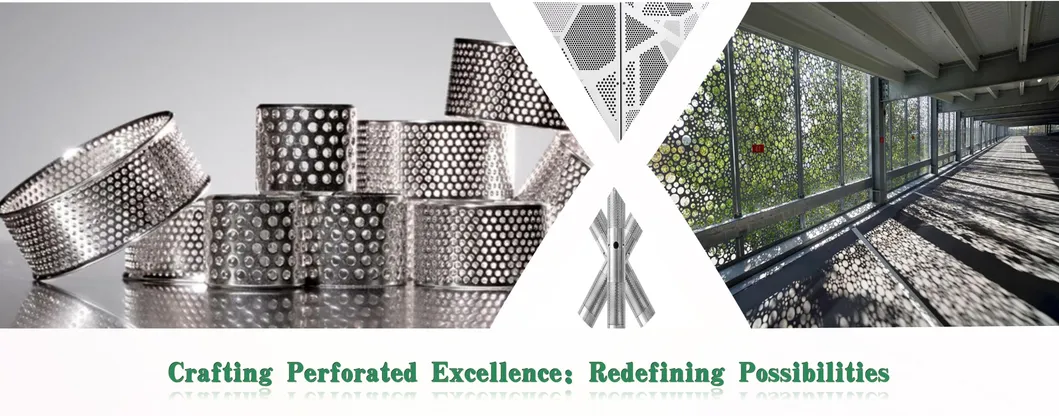
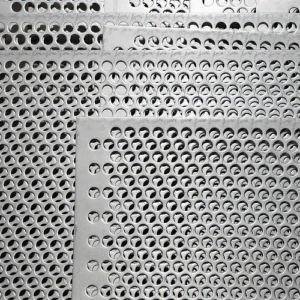
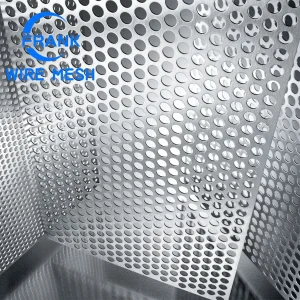
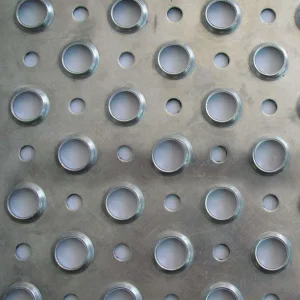
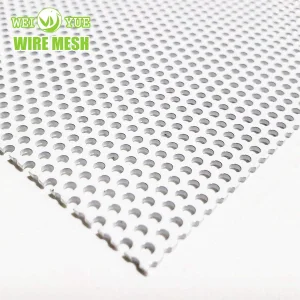
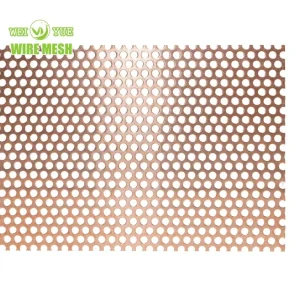
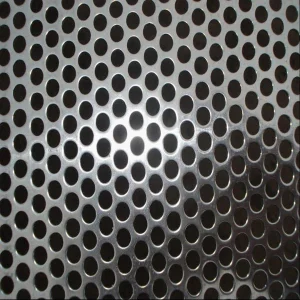
A perforated sheet is a metal sheet that's punched or cut to produce a pattern of holes, slots or shapes for practical or aesthetic purposes. It's also known as "perforated metal."
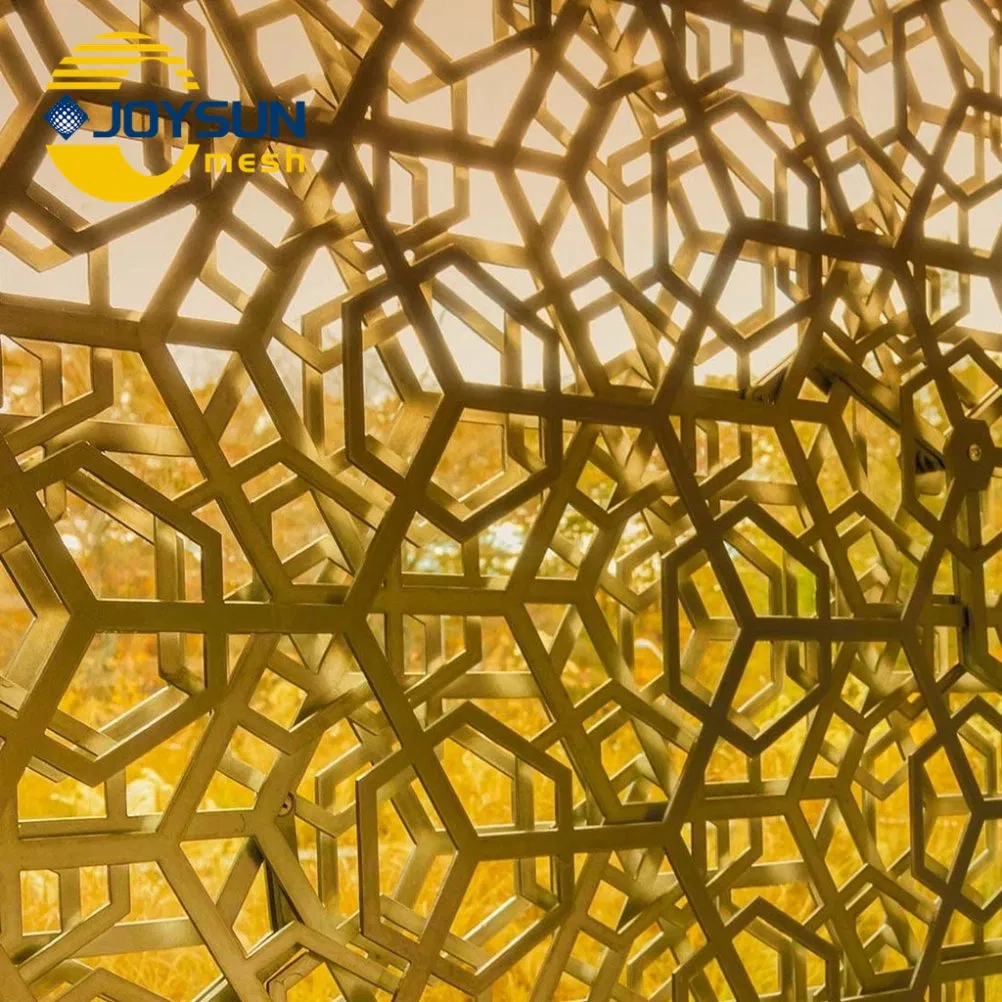
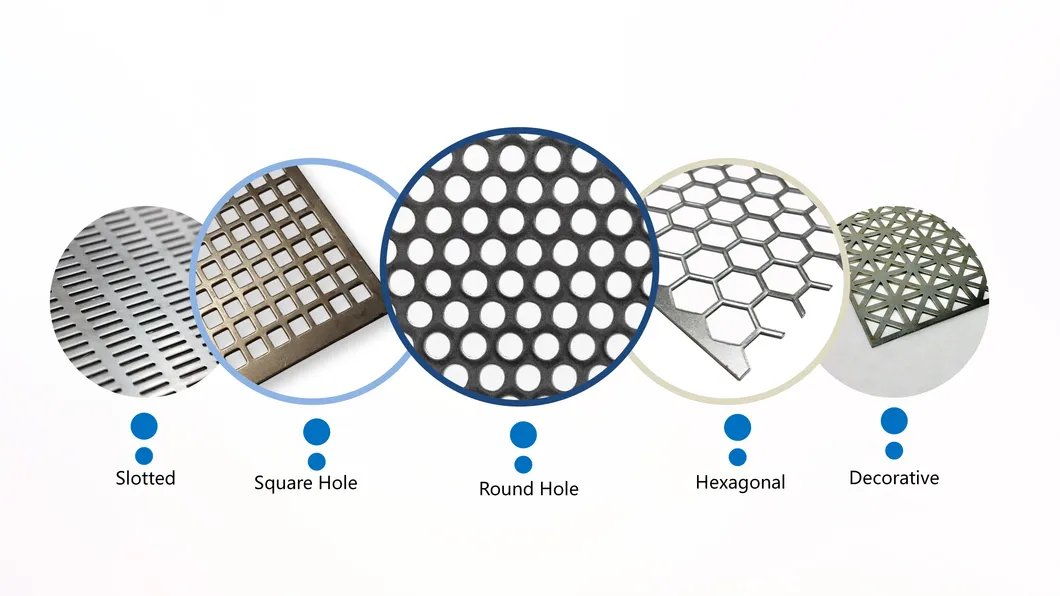
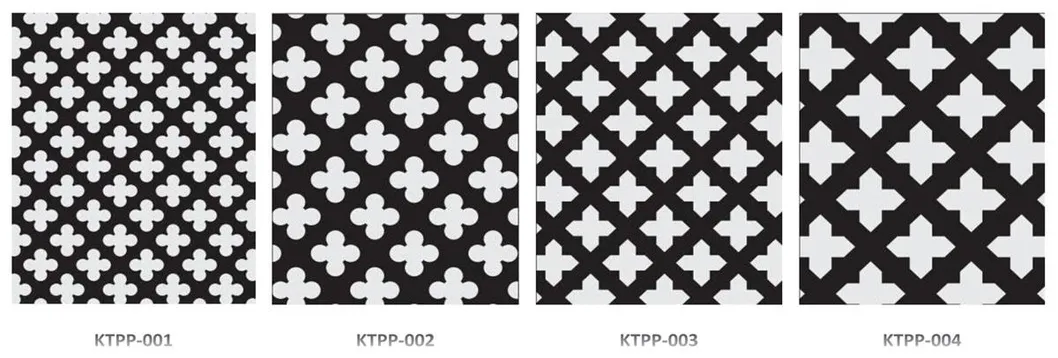
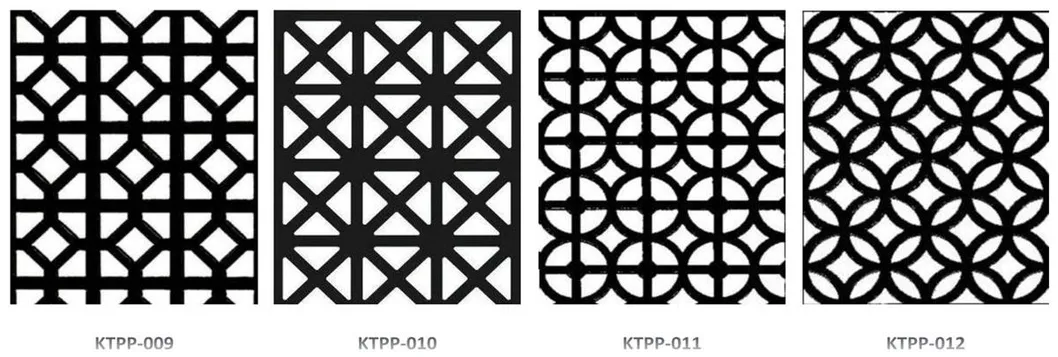
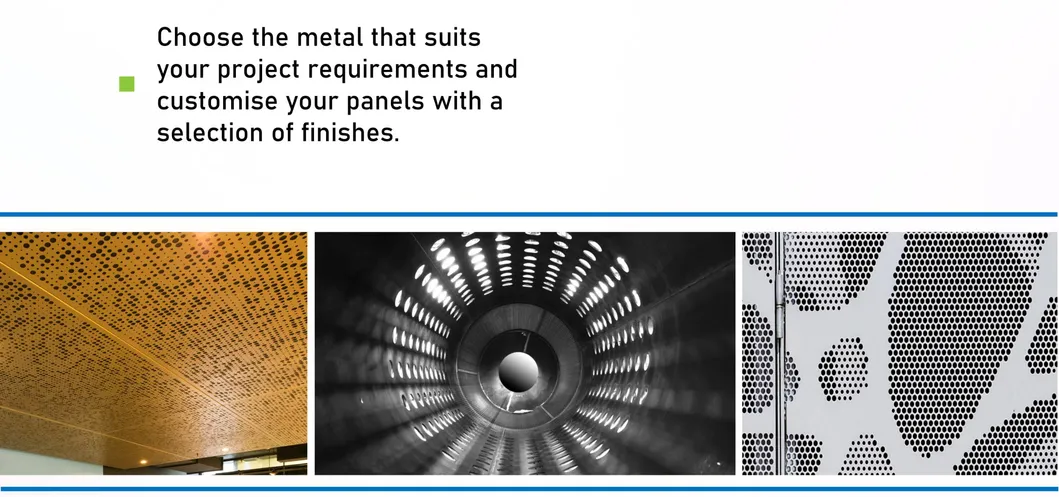
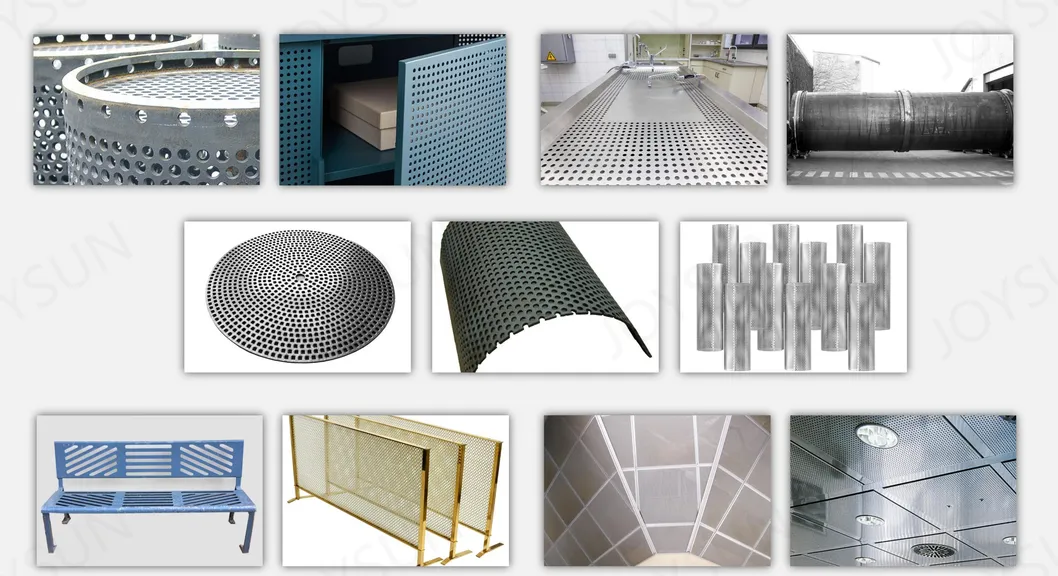
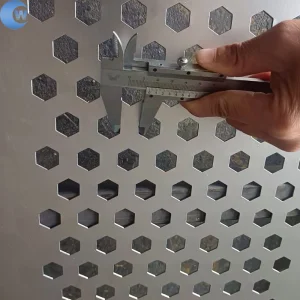
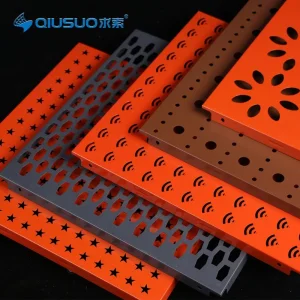
This type of metal sheet includes decorative hole patterns such as circles, squares, triangles, diamonds, hex, slots, bars and so forth. By combining shapes, it is possible to create more complex designs.
| Perforated metal Specifications |
| Material |
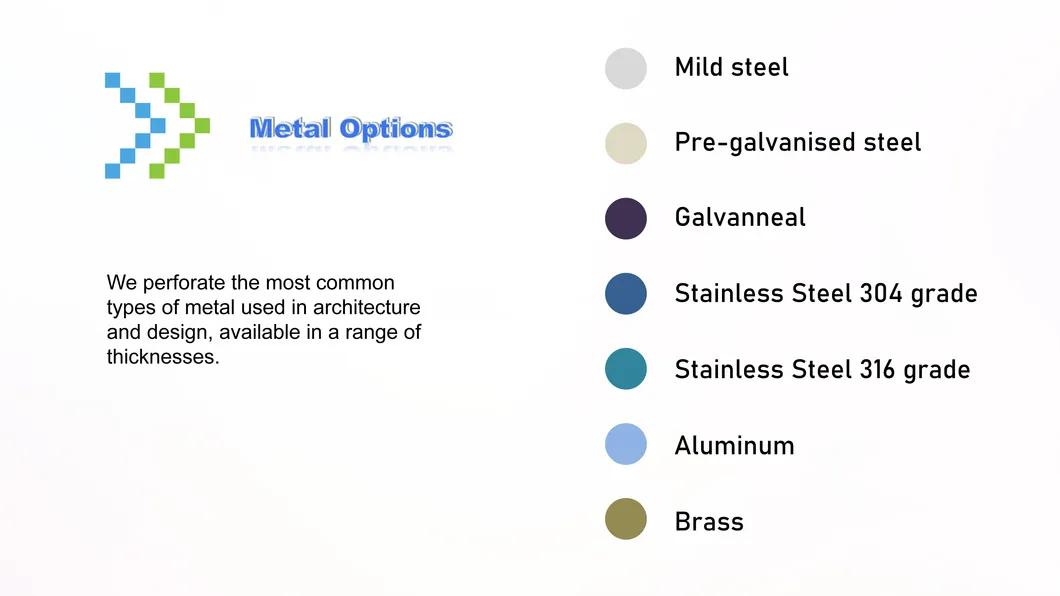
Carbon Steel Plate, Galvanized steel Plate, Stainless Steel Plate, Aluminum Plate, etc |
| Thickness |
0.5mm-12mm |
| Sheet size |
1000mmx1000mm, 1000mmx2000mm, 1200mmx2400mm, 1220mmx2440mm, etc |
| Surface treatment |
- Without treatment
- For carbon steel material: Galvanized (Electric galvanized, Hot-dipped galvanized), Powder coated (colour can be silver, blue, green, yellow, pink, red, black, as you like)
- For aluminum material: Anodized, PVDF (surface will be much more smooth, level off and glossy, it also has a much longer life span than common treatment)
|
| Hole shape |
Round, Rectangular, Square, Triangle, Diamond, Hexagonal, Cross, Slotted and any other special patterns |
| Categories |
CNC perforating, CNC turret perforating, Laser cutting, Water jet cutting, Coil to coil perforating, Coil to pieces perforating, Etching, etc. |
How do you measure it?
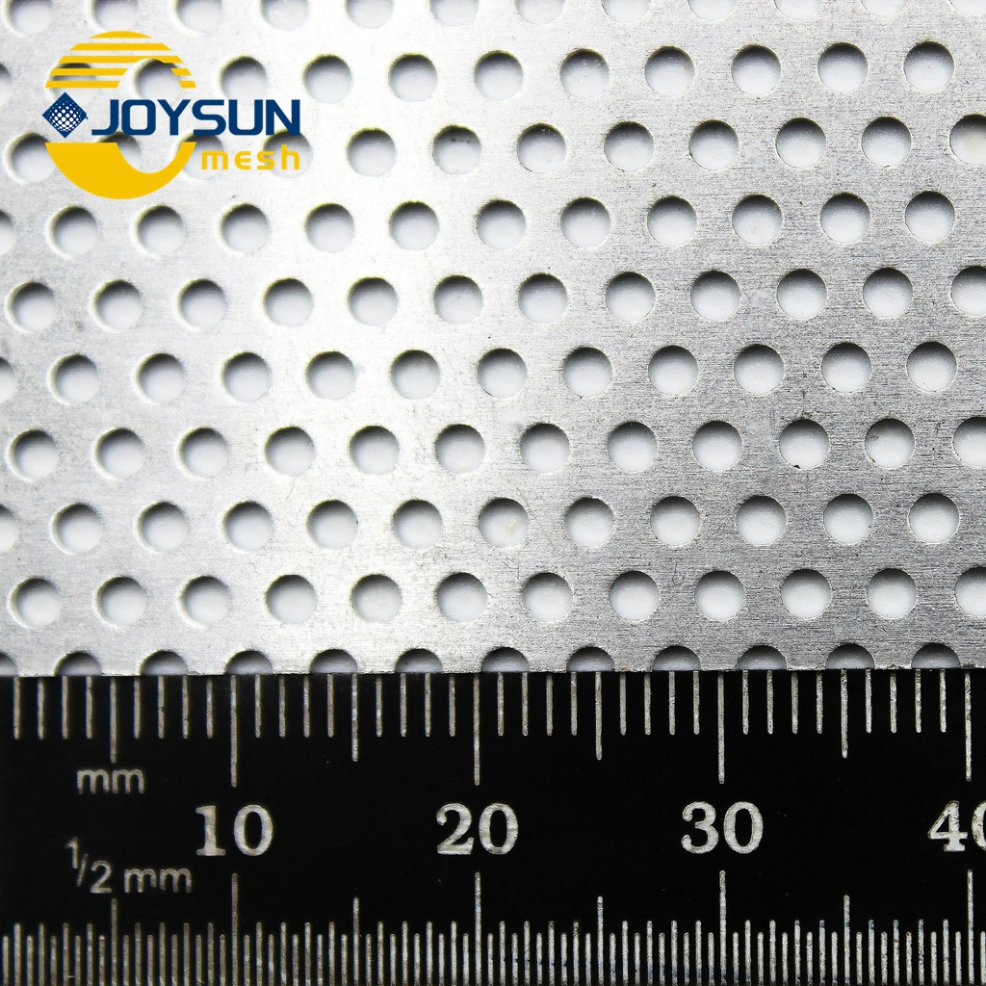
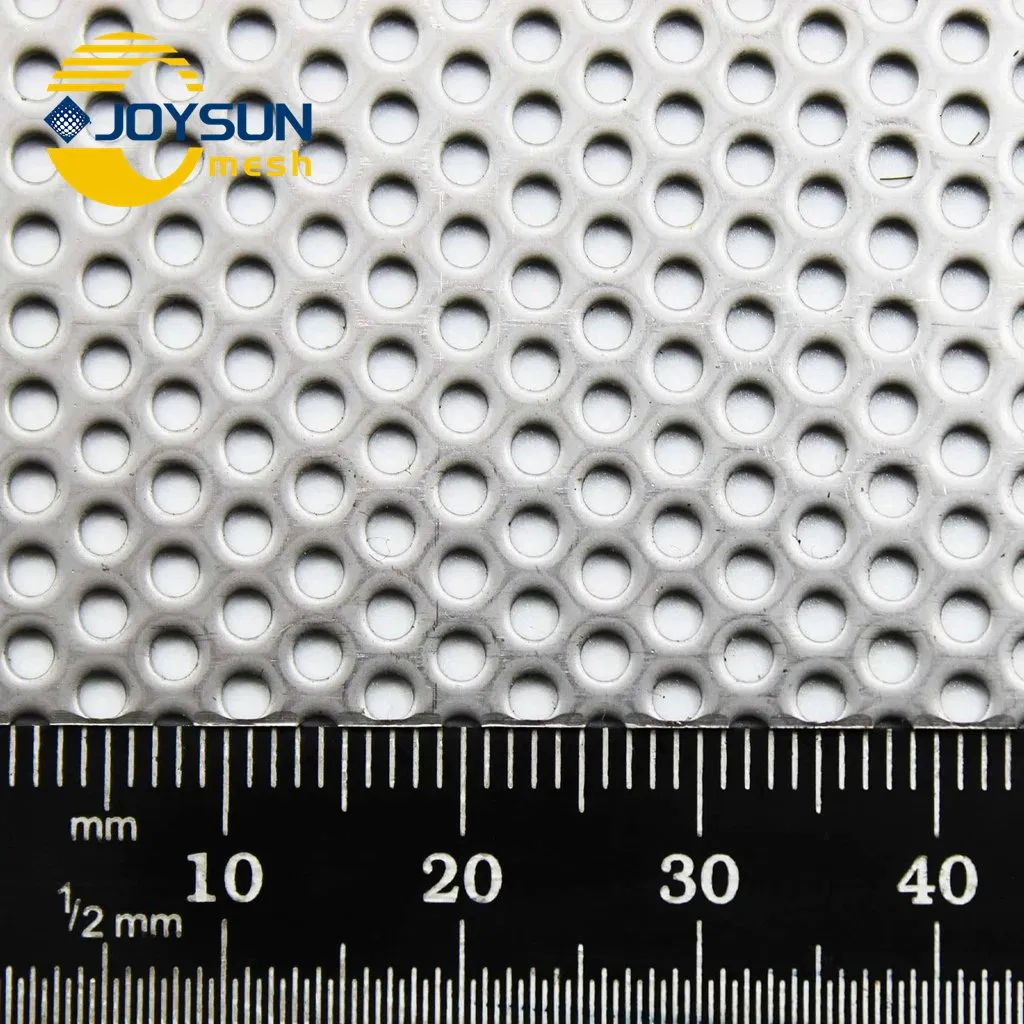
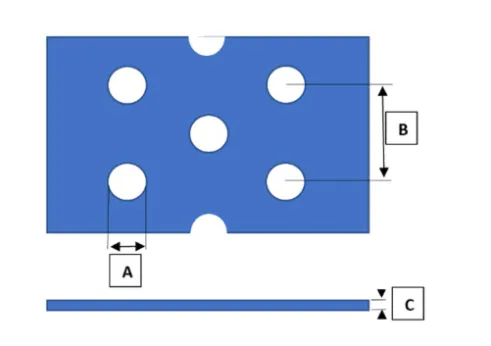
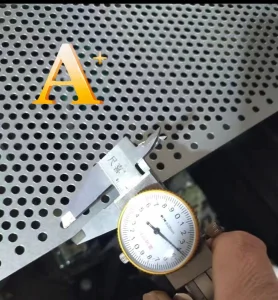
Using common perforated sheet terminology, we'd start by looking at the hole pattern ('staggered hole") followed by the hole size (i.e., a circle diameter) [A], the "stagger' (the distance between holes from center to center) [B] and finally the sheet gauge (or thickness) [C]. You typically measure the dimensions in millimetres.
Example: Staggered Hole 1.000" X 1.250" X 11 Ga. (or 0.125"). This refers to a staggered hole pattern with 1-inch diameter holes spaced 1.25-inches apart on 11-gauge sheet material.
A hole pattern is the arrangement of holes on a sheet in either staggered or straight rows.
In a staggered hole pattern, the direction of the stagger is typically parallel to the short dimension of the sheet. The 60° staggered is the most common pattern. Although other designs are available, 60° staggered is the strongest, most versatile and most economical perforated pattern.
"Gauge" is a British term that refers to sheet thickness. It originated before the advent of the standard metric and standard measurement systems but remains a common term for wire diameter and sheet thickness.
As a rule of thumb, the higher the gauge number, the thinner the metal thickness.
Types of Perforated Metals
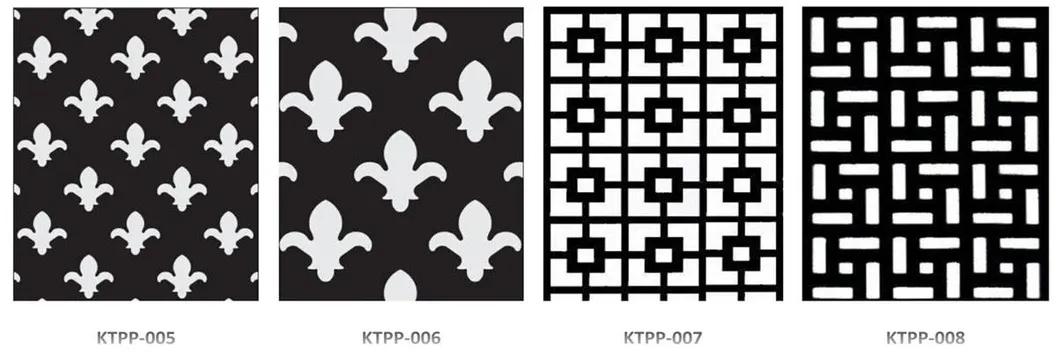
Other Regular Patterns
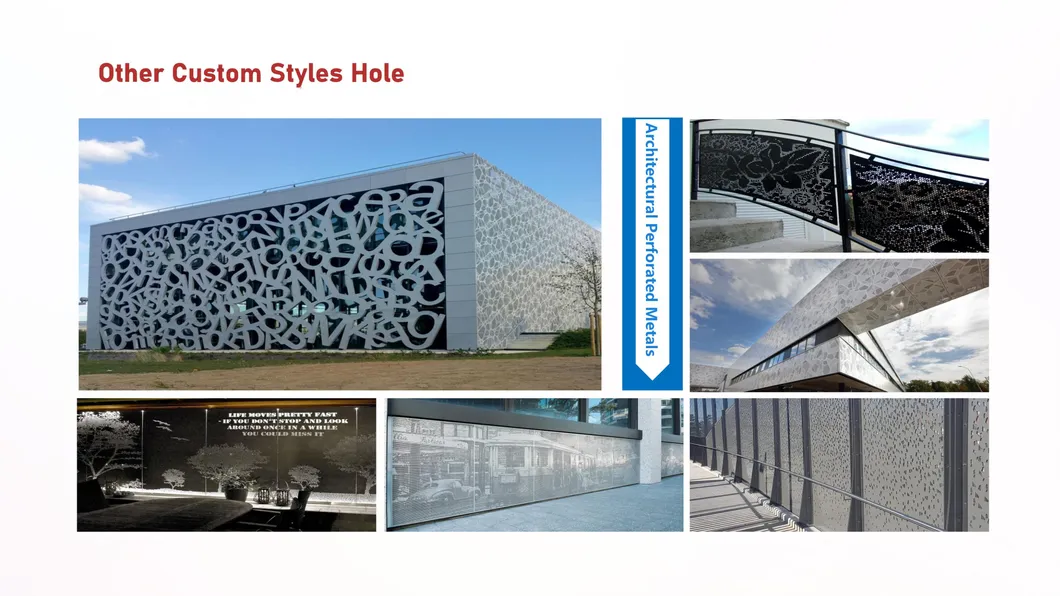
The determination of the pattern depends on the intended use of the perforated metal, which comes in standard and custom designs as well as a variety of sizes, shapes, and arrangement of holes. The required strength, application, and how the holes are configured have an effect on the functionality and efficiency of the perforated metal.
Part of the decision process involves an examination of the hole and bar size. Bars are the spaces between the holes. The proper balance of the holes and bars is an essential factor that determines the strength of the perforated metal for its application. The larger the holes the narrower are the bars. The general rule is that the thickness of the metal should not be greater than the size of the holes or the width of the bars. Following this guideline can avoid tool failure during processing.
Perforated Steel Applications
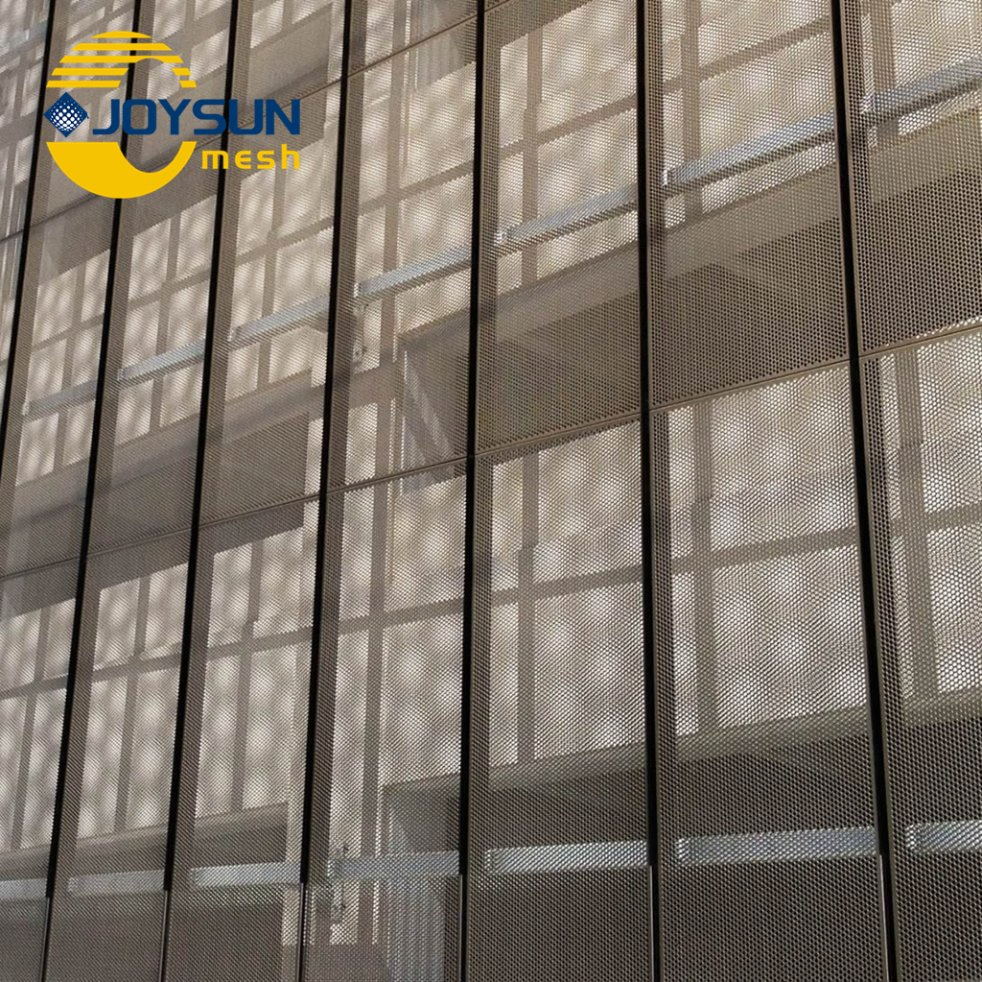
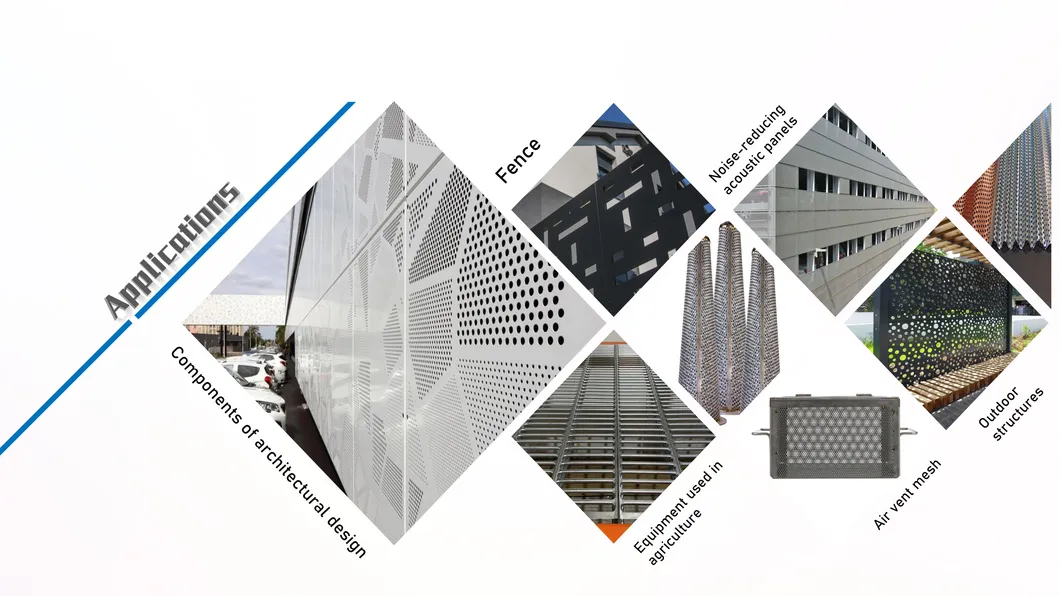
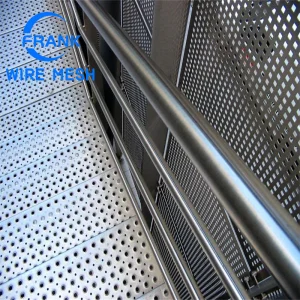
As a result of our flexible customisation options, we can provide mild steel perforated mesh in virtually any shape or size. Using our equipment and expertise, we are able to provide solutions that are tailored precisely to the specifications and needs of each project. Whether you are looking for something practical or for a visually appealing addition, our experts will be able to help. We offer a variety of services, including but not limited to:
- Components of architectural design
- Equipment used in agriculture
- Guards, grilles, and screens
- Noise-reducing acoustic panels
- Rodent proofing vent mesh
- Air vent mesh
- Vehicle construction
- Panels
- Framework
- Sheds
- Outdoor structures
- Trailer parts
Frequently Asked Questions
What are the primary applications of perforated metal sheets?
Perforated sheets are highly versatile and widely used in architectural designs, agricultural equipment, noise-reducing acoustic panels, ventilation mesh, trailer components, guards, grilles, and structural cladding.
What materials can perforated sheets be manufactured from?
Commonly used raw materials include Stainless Steel, Aluminum, Carbon Steel, and Galvanized Steel. They are available in various thicknesses ranging typically from 0.5mm to 12mm.
What is the "rule of thumb" regarding hole size and metal thickness?
To avoid tool failure during processing, the thickness of the metal sheet should not exceed the size of the holes or the width of the bars (the space between the holes).
Why is the 60° staggered hole pattern widely preferred?
The 60° staggered pattern is the most common arrangement because it offers the optimal balance of physical strength, versatility, and cost-efficiency for diverse applications.
What surface treatments can be applied to the sheets?
Surface treatments depend on the raw material: Carbon steel can be electric/hot-dipped galvanized or powder coated. Aluminum can be anodized or finished with a PVDF coating for a smoother, high-gloss finish with a longer lifespan.
Do you offer custom sizes and cutting services?
Yes. Standard panels are available in sizes such as 2x1 meters and 2.44x1.22 meters, but sheets can also be customized and cut to precise dimensions using heavy-duty industrial cutting guillotines.
 Puppet Steel