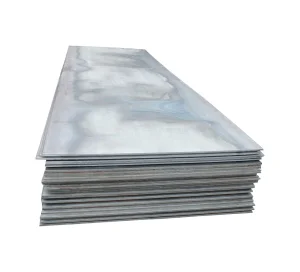
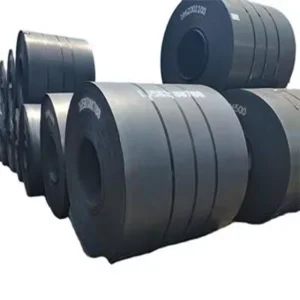
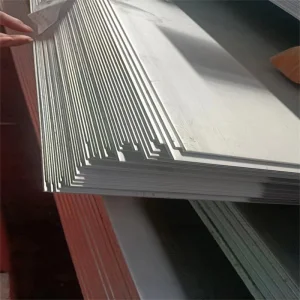
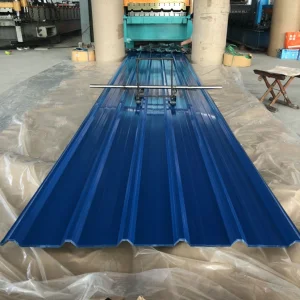
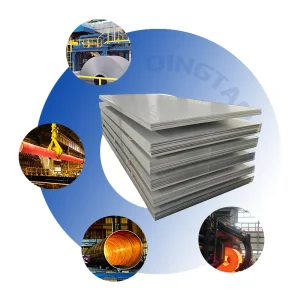
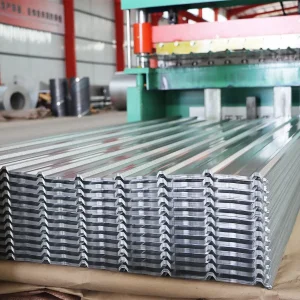
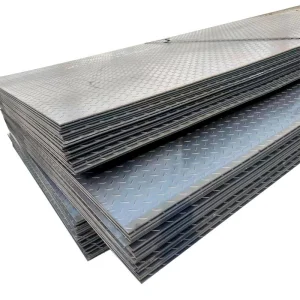
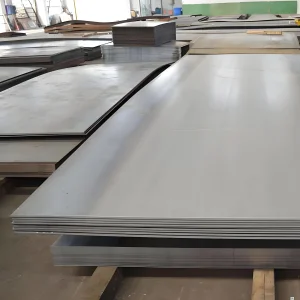
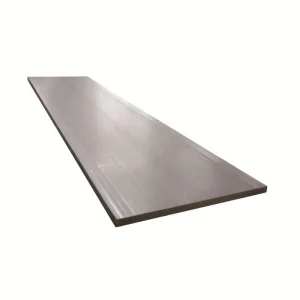
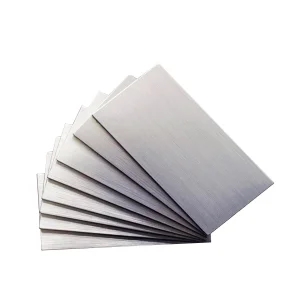
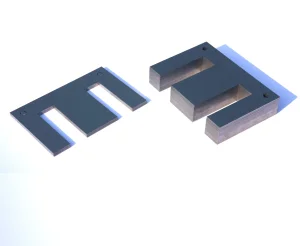
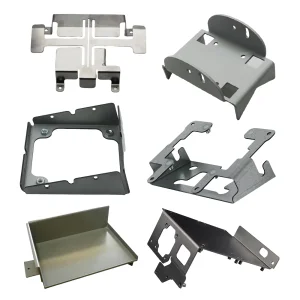
Engineered to meet exact mechanical configurations and strict dimensional criteria, these materials form the base structure of our high-durability fitting solutions.
Mapping the high-level demand dynamics of major multinational manufacturing, fluid systems, and energy sectors.
Modern engineering contracts require raw steel inputs to be fully traceable. Mill Test Certificates (MTC) matching EN 10204 3.1 or 3.2 are standard for oil, gas, and chemical processes. Ensuring material grade consistency from billet to finished fitting minimizes risk profile.
Aerospace and precise hydraulic integrations cannot tolerate variances above 0.05mm. Custom OEM factories must utilize high-end machining centers (CNC) combined with automated optical measurement systems to meet these tight limits consistently.
From deep-sea pipelines to food processing piping, finishes such as hot-dip galvanization (HDG), passivated nickel-chromium plating, and chemical blackening are customized to counteract environment-specific mechanical degradation.
Integrating structural steel elements, high-pressure fittings, and precision stamping assemblies into global developmental frameworks.
High-temperature and high-pressure media transportation require fittings that possess immense fatigue limit properties. In critical energy infrastructure, carbon steels such as ASTM A36 and specialized grades like 316/316L stainless steel are formed and machined to prevent intergranular corrosion cracking. Our structural manufacturing facilities employ heat treatments like stress-relief annealing to normalize metallurgical structures, providing longevity in offshore platforms and chemical refinery environments.
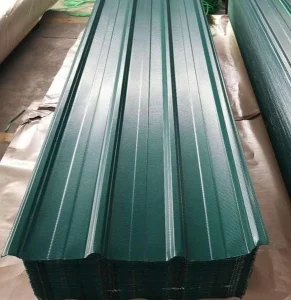
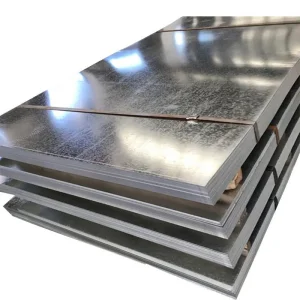
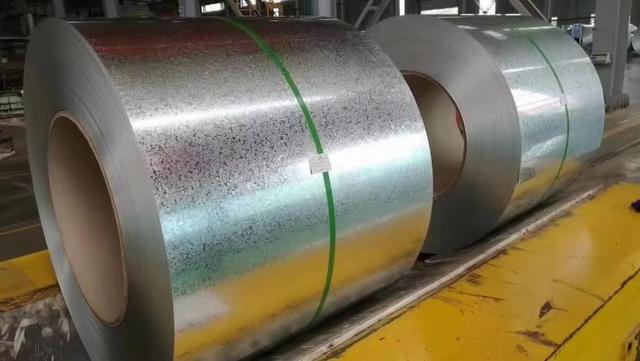
Modern building designs demand durable load-bearing connectors and rust-resistant elements. Galvanized sheeting (e.g., Z120, Z150, Z275 coatings) alongside prepainted galvanized structures (PPGI) protect critical structural nodes from atmospheric moisture degradation. Through optimized cold roll forming, structural sheets and fittings maintain material yield strength, ensuring stable mechanical performance in harsh coastal and high-humidity microclimates.
Technical validation parameters for our standard structural plates, sheet metal bases, and customized OEM fitting alloys.
| Material Category | Common Standard Specifications | Yield Strength (MPa) | Tensile Strength (MPa) | Elongation (%) | Primary Industrial Applications |
|---|---|---|---|---|---|
| Carbon Steel Plate | ASTM A36, Q235B, S235JR | ≥ 250 | 400 - 550 | ≥ 20 | Heavy bracket fabrications, machinery chassis, bridge structures |
| Austenitic Stainless Steel | ASTM A240 316 / 316L, 304 / 304L | ≥ 205 (316) | ≥ 515 (316) | ≥ 40 | Marine fittings, food processing, medical fluid conduits, petrochemical lines |
| Hot-Dipped Galvanized Steel | JIS G3302 SGCC, ASTM A653 CS | 205 - 340 | 270 - 500 | ≥ 18 | HVAC ducting fittings, outdoor enclosure panels, cable trays |
| Electrical Steel Sheet | Silicon Steel (e.g., Ei 57 Iron Core) | - | - | - | Power transformer laminations, magnetic cores, electric motors |
How high-tech engineering firms are reshaping metal casting, stamping, bending, and structural sheet metal processing.
By using smart nesting algorithms during structural metal sheet processing, raw sheet metal utilization is maximized up to 94.5%. This reduces component scrap rates and directly lowers primary raw material cost matrices for OEM components.
The boundary between traditional sheet metal bending/stamping and 3D metal printing is blurring. Hybrid processing methodologies now combine printed complex internal flow paths with traditional cast or forged external mating flanges, creating highly engineered custom fittings.
With international standard frameworks like EU’s CBAM (Carbon Border Adjustment Mechanism) rolling out, our product pipelines emphasize hydrogen-metallurgy feedstock compatibility and high-efficiency hot-dipping processes with minimized energy emissions.
Professional steel sheet manufacturer and customized metal fabricator serving critical global supply chains.
Ningbo Puppet Steel Co., Ltd. is a professional Steel Sheet Manufacturer | Cold Rolled, Hot Rolled & Galvanized Steel Supplier committed to providing high-quality steel products and customized metal solutions for customers worldwide. Serving industries such as construction, infrastructure, manufacturing, automotive, energy, home appliances, and industrial equipment, the company has built a strong reputation for reliable products and consistent service.
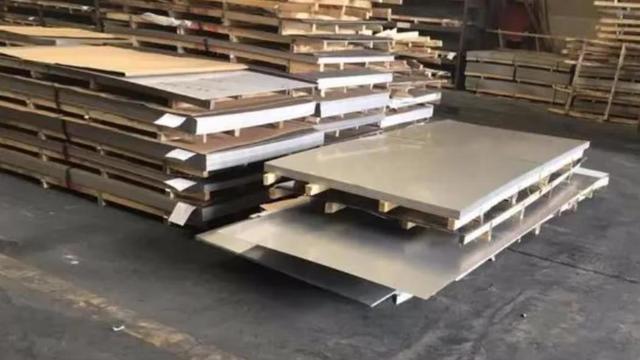
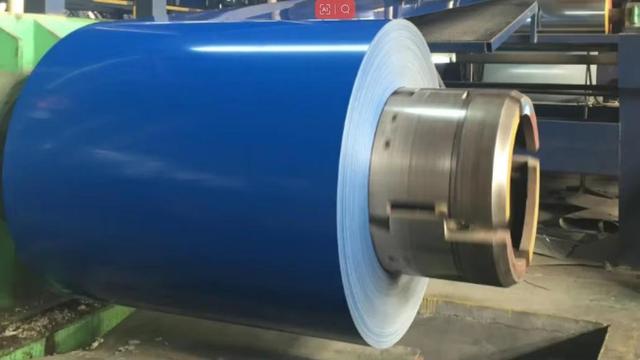
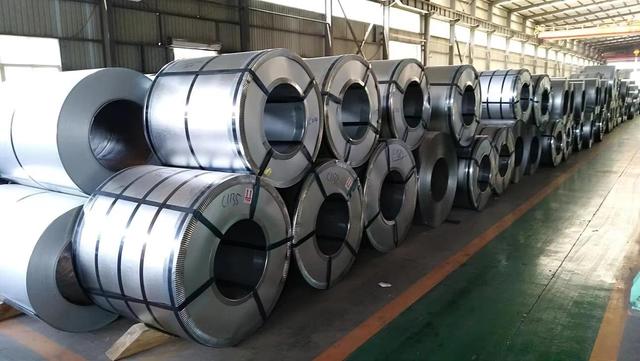
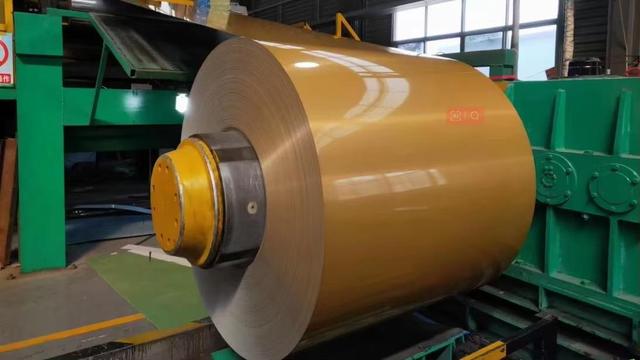
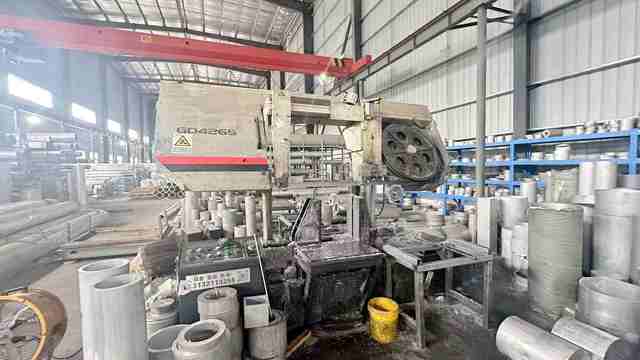
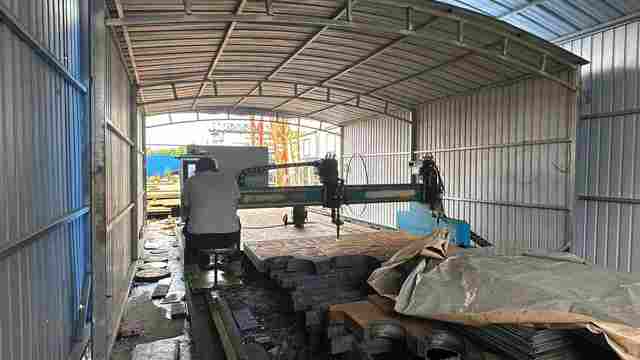
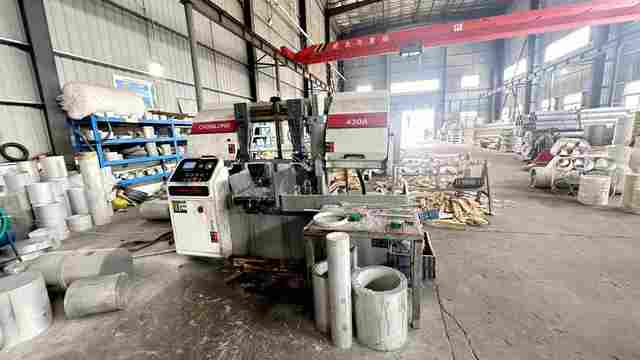
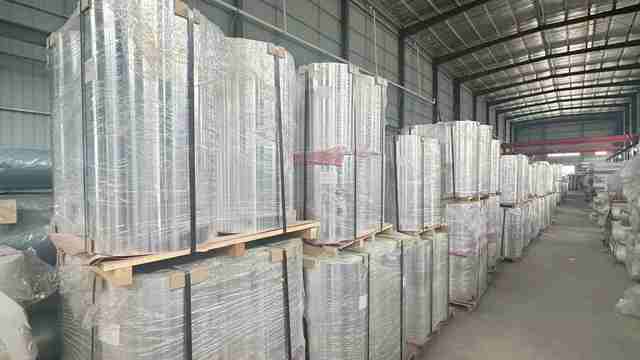
Located in Ningbo, China, Puppet Steel operates advanced processing and manufacturing facilities equipped with modern production lines and precision quality inspection systems. The company specializes in a comprehensive range of steel products, including cold rolled steel sheets, hot rolled steel sheets, galvanized steel sheets, galvalume steel sheets, prepainted steel sheets, carbon steel sheets, structural steel sheets, and customized steel processing solutions.
With extensive industry experience, the company offers flexible OEM and customized manufacturing services to meet various project requirements. From material selection and cutting to surface treatment and packaging, every production stage is carefully managed to ensure product consistency, dimensional accuracy, and long-term performance. Strict quality control procedures are implemented throughout the manufacturing process to comply with international standards and customer specifications.
Puppet Steel focuses on delivering durable, corrosion-resistant, and cost-effective steel products suitable for demanding applications in both domestic and international markets. The company maintains long-term partnerships with contractors, distributors, wholesalers, fabricators, and industrial manufacturers across North America, Europe, Southeast Asia, the Middle East, and other global regions. Driven by innovation, quality, and customer satisfaction, Ningbo Puppet Steel Co., Ltd. continuously invests in technology upgrades and production efficiency improvements.
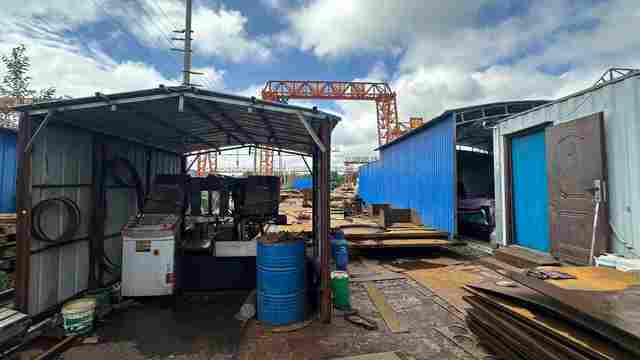
Managing local regulatory landscapes, national safety standards, and specialized quality audits for global entry.
For chemical and pressure container integrations, ASTM A36 plate formulations and ASME fitting dimensions are verified on every single export shipment. The carbon equivalents (CEQ) are mathematically verified to maintain structural weld integrity under severe winter or high-load conditions.
Fittings intended for pressurized operations are manufactured following the Pressure Equipment Directive (PED 2014/68/EU). In tandem with CE certifications, raw materials undergo Charpy V-notch impact tests at sub-zero temperatures (-20°C to -46°C) to ensure notch toughness.
We actively harmonize specifications across Japanese JIS requirements and regional GB standards. This dual-verification allows seamless imports into industrial developments throughout Southeast Asia and the Pacific, cutting local port customs inspection lead-times by half.
Detailed professional guidance resolving complex manufacturing, specification, and metallurgical compliance dilemmas.
Explore our full line of corrosion-resistant, high-strength structural sheets, coils, and specialty fabrication components.
 Puppet Steel