Featured components and structural sheets designed to support major infrastructural, architectural, and commercial builds worldwide.
Years of Manufacturing Heritage
Exporting Countries & Regions
Annual Production Capacity (Sqm)
Strict QA Defect Tolerances
The global ceramic and porcelain tile market is undergoing a structural transition driven by infrastructure modernization, tightening environmental regulations, and the rising demand for high-durability surface materials. In today's architecture, a ceramic tile is no longer viewed simply as an aesthetic element; it is an engineered component designed to meet stringent physical parameters. From low-porosity heavy commercial flooring to heat-insulating exterior cladding, the engineering demand is evolving rapidly.
According to recent global construction and material science market intelligence, urban expansion in North America, Northern Europe, and the Middle East has accelerated the demand for large-format porcelain slabs (Sintered Stones). These high-density surfaces replace natural marble and granite due to their superior stain resistance, higher flexural strength, and significantly lower environmental footprint during extraction and processing. Consequently, procurement officers seek verified, high-volume exporters capable of delivering consistent technical performance across thousands of square meters.
"Modern architectural specifications demand surfaces that perform exceptionally under immense physical stress. Global ceramic tile suppliers must match artistic innovation with precise, reproducible engineering standards, ensuring long-term structural viability."
Furthermore, the rise of green building certifications, such as LEED (Leadership in Energy and Environmental Design) and BREEAM, has elevated the import standards of ceramic tile importers. The selection of materials is directly correlated with volatile organic compound (VOC) emissions, recycled content ratios, and the solar reflectance index (SRI). Exporters must provide comprehensive documentation regarding carbon offsets and material origins to satisfy high-level tenders.
Analyzing the supply chain integration, kiln automation, and raw material sourcing advantages that define Chinese production leadership.
Utilizing high-efficiency continuous roller kilns with computer-controlled temperature profiling. This ensures consistent firing curves, mitigating dimensional warping and thermal shock vulnerabilities across production runs.
Deploying hydraulic press systems exceeding 10,000 tons of force. This level of compaction guarantees water absorption rates far below the standard 0.5% threshold, categorizing the product as true vitrified porcelain.
Strategically positioned near major Chinese port networks (such as Ningbo-Zhoushan). This provides seamless intermodal container shipping, direct access to maritime routes, and significantly reduced transit overheads for global buyers.
Our manufacturing lines operate strictly under ISO 9001:2015 and ISO 14001:2015 frameworks. Products are subjected to extensive testing to verify compliance with EN 14411 and ASTM standards for modulus of rupture and chemical resistance.
Equipped with advanced 12-channel digital inkjet printing systems. We replicate complex stone veins, rustic textures, and modern graphic patterns directly onto the unfired body, customized to specific design profiles.
Incorporating closed-loop hot air recovery systems within the kilns to preheat raw spray-dried powders. This circular energy architecture reduces overall natural gas consumption by 22% per square meter produced.
Surface selection must align with the mechanical demands of the target environment. As a top exporter, we analyze local building codes and environment types to supply specialized tile classifications:
| Application Scenario | Recommended Tile Class | Key Technical Specification | Target Environmental Variable |
|---|---|---|---|
| High-Traffic Commercial Malls | Full-Body Glazed Vitrified Tiles (GVT) | PEI Rating Class IV or V | Abrasive wear from heavy footfall, dirt ingress. |
| Industrial Warehouses & Breweries | Heavy-Duty Technical Porcelain | Thickness > 12mm; Water Absorption < 0.1% | Chemical spillage resistance, forklift loads, impact strength. |
| Residential Wet Rooms & Bathrooms | Anti-Slip Textured Porcelain | Slip Resistance Value (R-Value) R10 to R11 | Hydrodynamic slip prevention, high humidity. |
| High-Rise Exterior Cladding | Sintered Stone Slabs | Large Format, Low Mass-to-Area ratio | Wind-load resistance, UV color stability, freeze-thaw durability. |
| Public Infrastructure (Subways/Airports) | Double-Charged Non-Slip Tiles | Mohs Hardness > 7; High Tensile Strength | Constant wear, impact, maintenance-friendly requirements. |
For instance, when supplying projects in Northern Europe, tiles must exhibit superior frost resistance (evaluated under EN ISO 10545-12), ensuring no micro-cracking occurs during extreme sub-zero thermal cycling. Conversely, projects in coastal Middle Eastern regions require tiles with highly stable glaze formulations that resist salt mist corrosion and prolonged solar radiation without discoloring or losing gloss levels.
The future of architectural surfaces lies in the intersection of material science and digital technology. One of the most significant trends is the rapid scaling of Sintered Stone Technology. By firing clay, feldspar, and silica at temperatures upward of 1,200°C under enormous mechanical pressure, manufacturers create panels up to 3200mm x 1600mm with thicknesses as low as 3mm. These ultra-thin sheets provide structural strength while drastically reducing structural weight constraints on high-rise building cores.
Additionally, the incorporation of Bio-Active and Self-Cleaning Glazes represents a major shift in public health-focused design. By embedding titanium dioxide (TiO₂) nanoparticles within the glaze layer during firing, the tile surfaces acquire photocatalytic properties. Upon exposure to light, the surface triggers an oxidative process that degrades organic pollutants, eliminates bacteria, and renders the tile hydrophilic, allowing rainwater to wash away dirt on exterior facades.
On the logistics and customization front, Smart Micro-Batch Production is replacing old-school, high-inventory mass manufacturing. Utilizing high-speed, direct-to-tile digital printing lines, suppliers can modify designs on-the-fly, allowing developers to order highly customized patterns for boutique projects without incurring massive set-up costs or long lead times.
Experienced international procurement managers recognize that a low unit price can quickly be offset by quality failures, delivery delays, and customs compliance issues. In the ceramic sector, quality assurance must be integrated into the production line rather than verified post-facto. A robust supplier evaluation program checks key markers:
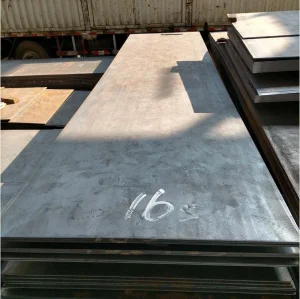
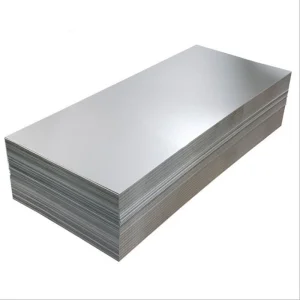
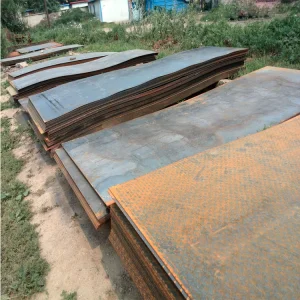
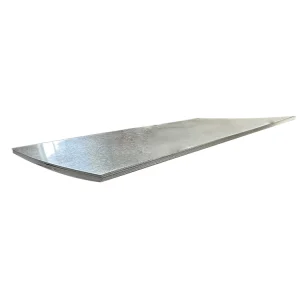
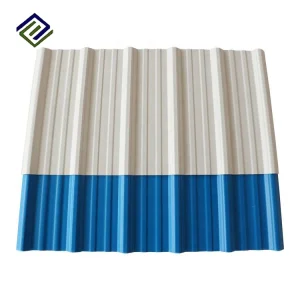
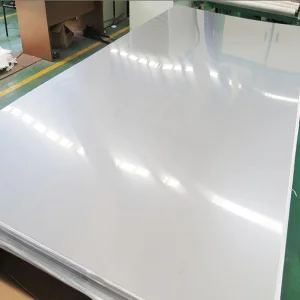
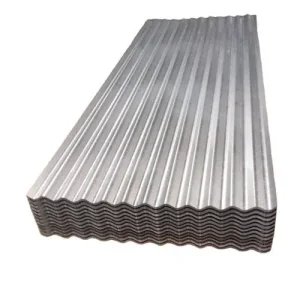
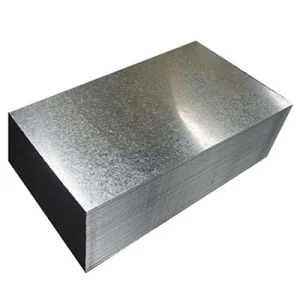
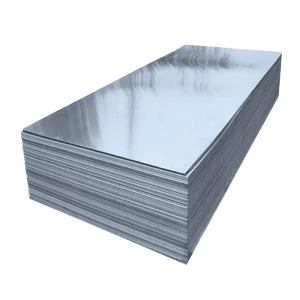
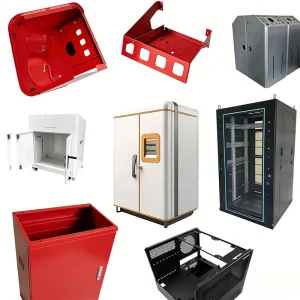
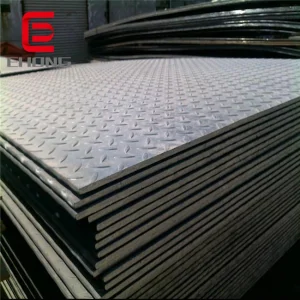
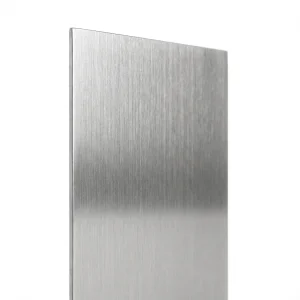
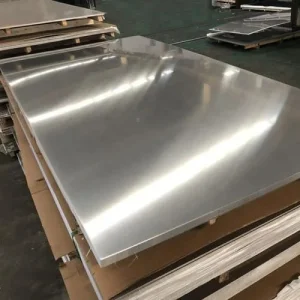
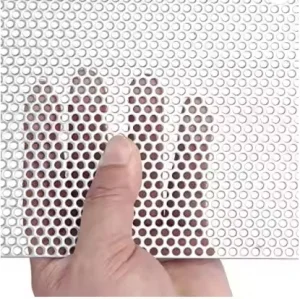
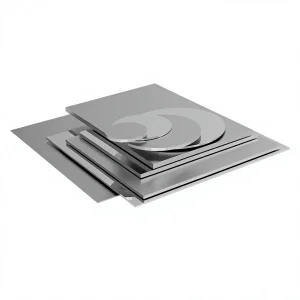
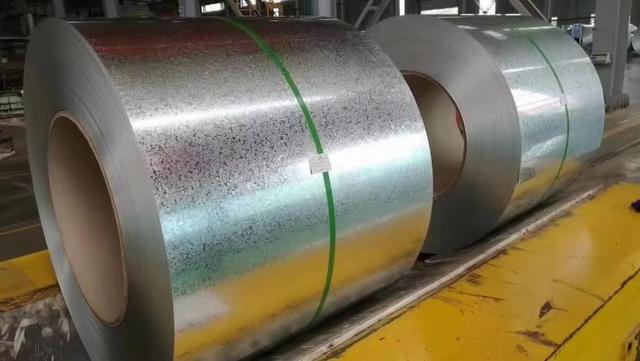
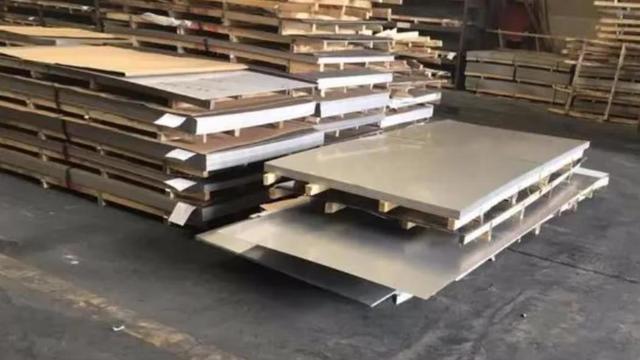
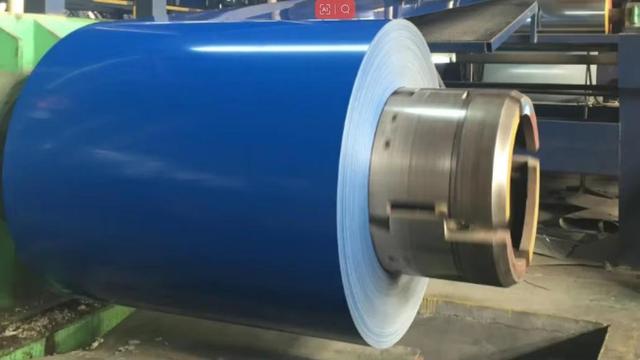
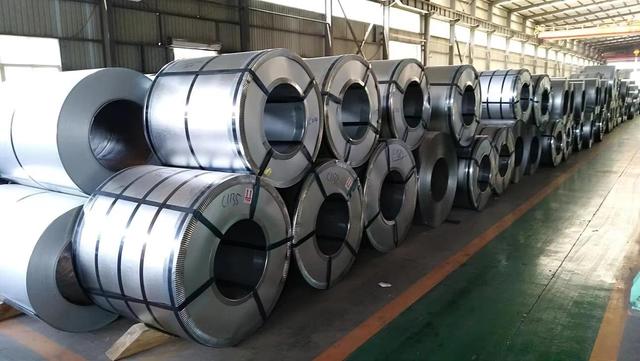
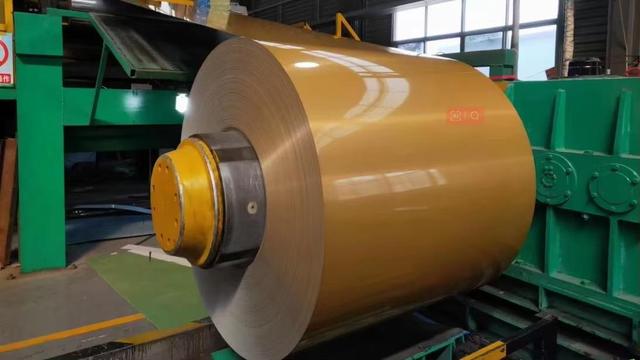
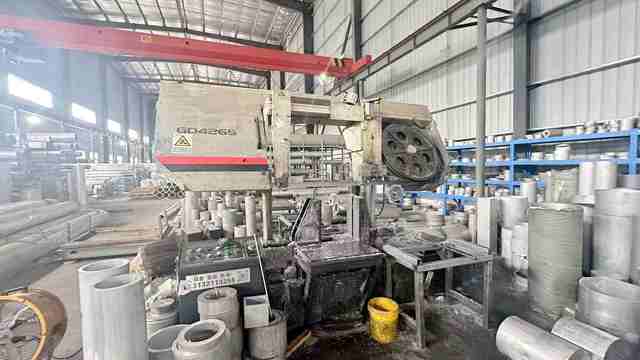
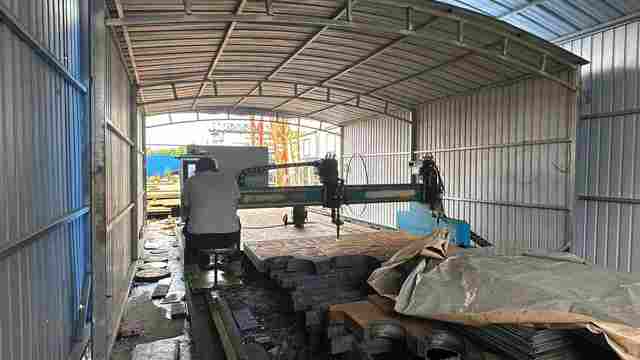
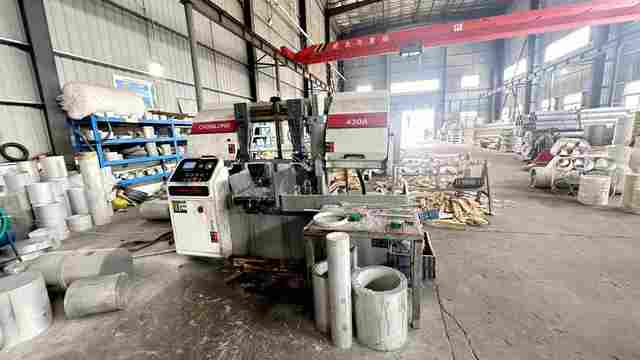
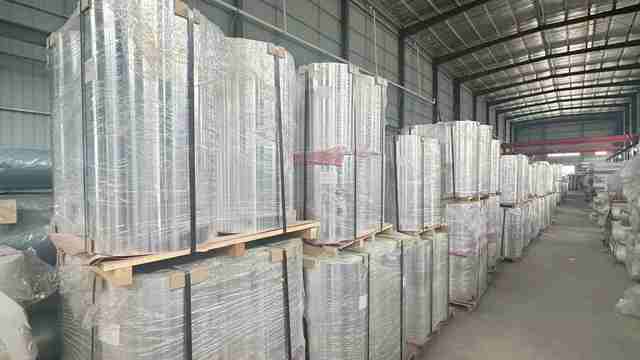
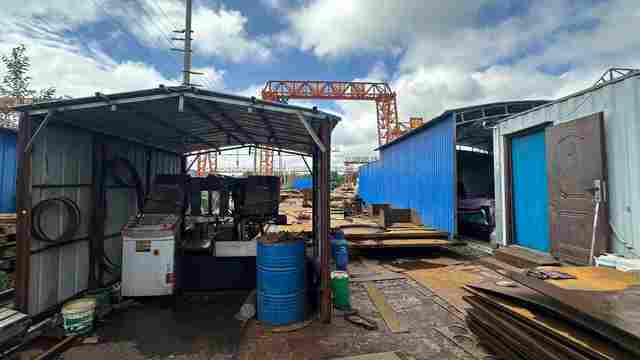
In addition to advanced architectural ceramics, our structural material division, operating as Ningbo Puppet Steel Co., Ltd., delivers heavy-duty metal engineering components required for complete project structural envelopes.
Expert insights addressing key procurement, technical performance, and logistics questions commonly asked by design teams and buyers.
Vitrified porcelain is fired at significantly higher temperatures (exceeding 1200°C) and under higher mechanical pressure. This process fuses the clay particles into a highly dense glassy state, resulting in a water absorption rate below 0.5% (often below 0.1%). Standard ceramic tiles are fired at lower temperatures, are more porous, and are recommended primarily for light residential wall applications rather than heavy-duty commercial floors.
We run every finished batch through an automated colorimetric camera scanner. This scanner registers the exact chromatic value and assigns a precise shade number (e.g., Tone 51, Tone 52). During palletization, only identical tonality and caliber codes are packed into a single container. For major commercial projects, we manufacture the entire requirement in a single continuous run to eliminate the risk of batch-to-batch color variance.
We verify slip resistance using two main international standards: the Oil-Wet Ramp Test (DIN 51130), which yields the R-value scale (R9 to R13), and the Pendulum Test (BS 7976-2), measuring Pendulum Test Values (PTV). For exterior pedestrian pathways, public concourses, and commercial wet areas, we ensure our textured tiles meet or exceed R11 or PTV > 36 under wet conditions to guarantee public safety.
Yes. We possess flexible mold configurations and advanced digital printing capabilities. This allows us to adjust dimensions up to 1600x3200mm, modify the glaze formulation to produce matte, polished, soft-lappato, or structural relief surfaces, and customize packaging artwork to fit your localized retail brand identity.
For catalogued products in stock, loading and customs clearance take approximately 7–10 working days. For custom OEM formulations or high-volume project orders requiring a dedicated production run, manufacturing schedules generally span 25 to 35 days, depending on factory queue density. Transit times to Europe and North America range between 25 and 45 days, depending on route conditions.
Examine our full lineup of precision fabrication materials, metal plates, and structural components built for heavy industrial usage.
 Puppet Steel