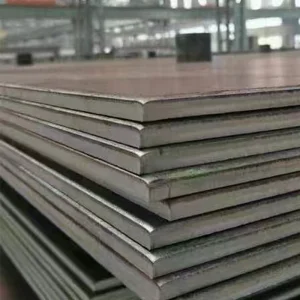
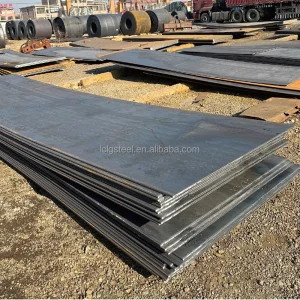
Premium grade certified materials engineered to withstand severe marine corrosion and dynamic North Sea stresses.
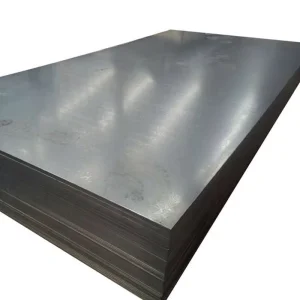
The Netherlands stands as a premier global hub for maritime innovation, offshore energy transition, and complex shipbuilding. Driven by the expansion of North Sea offshore wind farms, the revitalization of inland waterway transport networks, and the constant modernization demands at the Port of Rotterdam—Europe's largest shipping gateway—Dutch maritime engineers require structural materials that guarantee zero-defect safety under extreme environmental conditions.
Navigating the North Sea's highly corrosive, low-temperature waters demands structural integrity that goes beyond baseline regulations. High-tensile steel grades such as AH36, DH36, and EH36, certified by international classification societies like DNV, ABS, and Lloyd's Register, have become the standard for modern ship hulls, offshore wind transition structures, and complex maritime equipment manufactured across the Netherlands.
A comparative analysis of chemical design, yield criteria, and temperature-dependent impact resistance critical for marine surveyors and procurement managers in Northern Europe.
| Steel Class / Grade | Yield Strength (MPa) | Tensile Strength (MPa) | Charpy V-Notch Impact Test Temp. | Primary Industrial Application (Netherlands Market) |
|---|---|---|---|---|
| AH32 / AH36 | ≥ 315 / 355 | 440 - 620 | 0°C (Impact Energy ≥ 34J) | Standard commercial vessel hulls, inland barges, and structural deck parts. |
| DH32 / DH36 | ≥ 315 / 355 | 440 - 620 | -20°C (Impact Energy ≥ 34J) | Offshore platform decks, cold-water structural members, and cargo vessel bulkheads. |
| EH36 / EH40 | ≥ 355 / 390 | 490 - 660 | -40°C (Impact Energy ≥ 34J) | North Sea wind turbine jacket foundations, deepwater subsea piping, arctic-class vessels. |
| 316L Stainless (1.4404) | ≥ 220 | 520 - 680 | Cryogenic / Excellent Ductility | Chemical cargo tanks, offshore exhaust scrubber systems, marine piping. |
| Q460C / Q550D | ≥ 460 / 550 | 550 - 720 | 0°C / -20°C | High-load structural cranes, heavy lift offshore platforms, and wind turbine components. |
Traditional structural steel plates rely on heavy normalizing heat treatments to achieve grain refinement. For critical offshore engineering projects in Northern Holland, Thermo-Mechanical Control Processing (TMCP) is employed during the rolling phase at our mill. TMCP carefully monitors temperature controls and rolling reductions to produce an ultra-fine ferrite-bainite structure. This enhances weldability by limiting the Carbon Equivalent (Ceq) values, eliminating the need for extensive pre-heating in shipyard fabrication yards. The result is a substantial reduction in fabrication labor costs for Dutch contractors, coupled with enhanced resistance against hydrogen-induced cracking (HIC) and fatigue propagation.
How Ningbo Puppet Steel Co., Ltd. integrates smart manufacturing and direct deepwater port logistics to optimize European supply chains.
Ningbo Puppet Steel Co., Ltd. is a leading manufacturer and exporter of high-grade steel sheets. Operating out of Ningbo, China—home to one of the world's largest deepwater shipping terminals—we specialize in providing the international market with premium cold-rolled, hot-rolled, and galvanized steel products. We support critical manufacturing sectors, including marine construction, heavy infrastructure, energy, and precision equipment.
By implementing a Factory 4.0 Smart Manufacturing Execution System (MES), we track every plate from chemical composition analysis in the electric arc furnace through to final non-destructive testing (NDT). Through optimized rolling schedules and automated dimensional checks, we deliver consistent thickness tolerances, flat profiles, and reliable surface conditions. These high standards make our products a preferred choice for demanding shipbuilding projects across Europe.
Our strategic location near Ningbo Port enables streamlined logistics directly to the Port of Rotterdam, the Port of Amsterdam, and Zeeland ports. We offer customized packaging, protective rust-resistant coating oils, and complete documentation, including Mill Test Certificates (MTC) to EN 10204 3.1 or 3.2. Through optimized logistics planning, we help Dutch distributors, fabricators, and shipyards maintain reliable raw material pipelines, manage inventory costs, and avoid project delays.
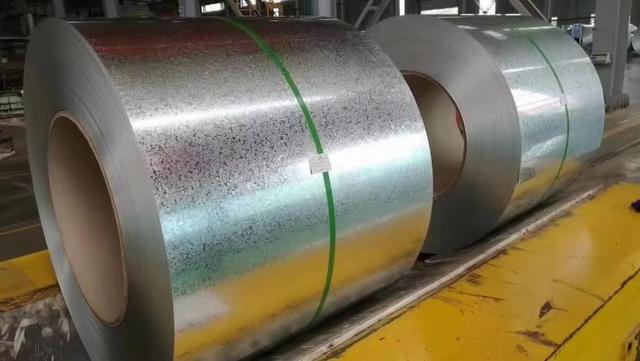
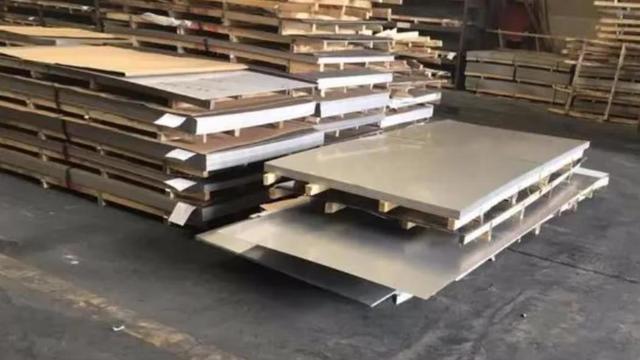
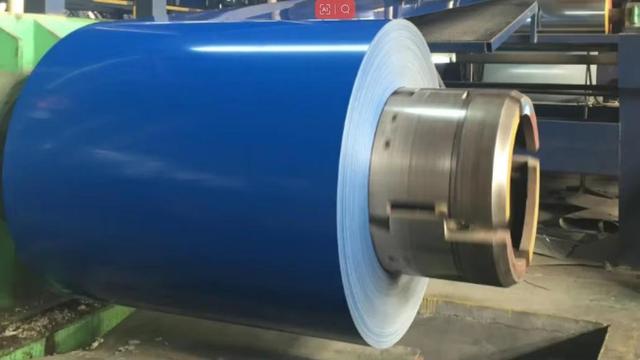
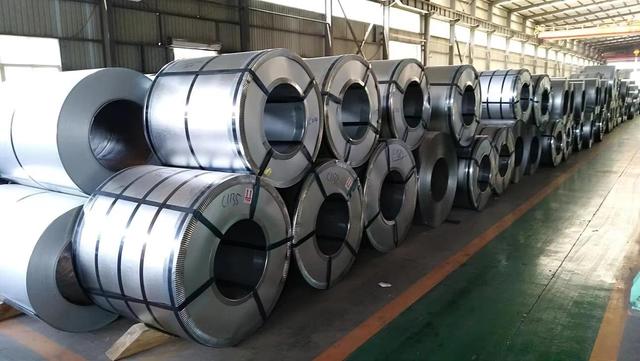
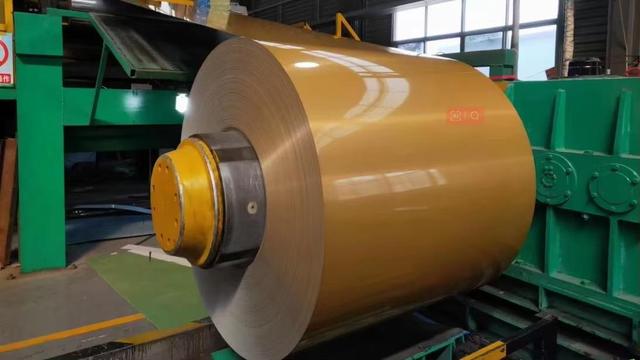
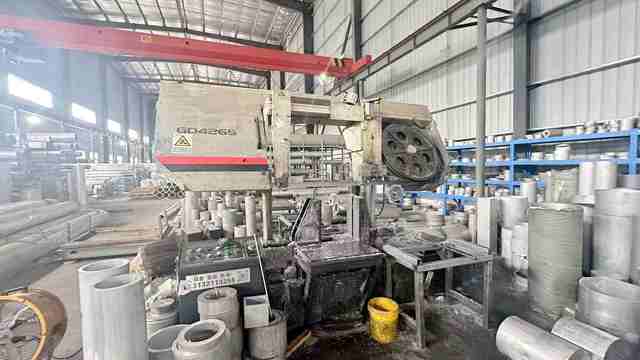
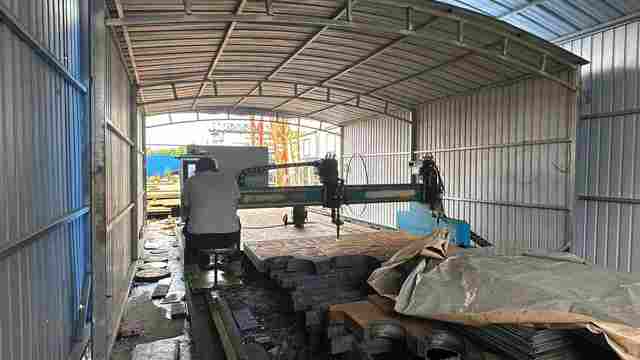
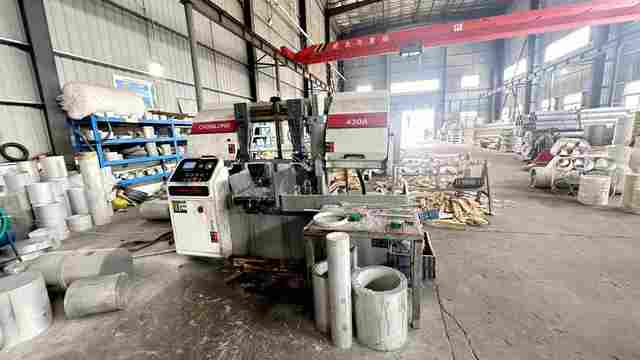
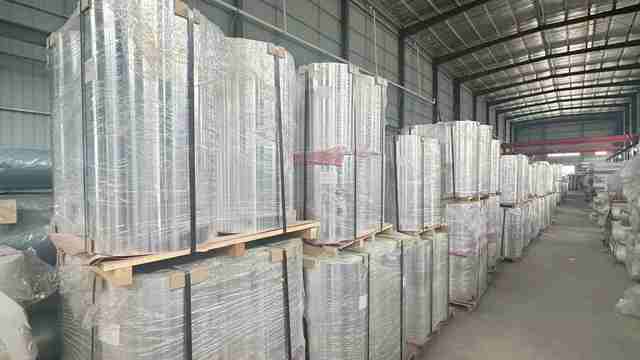
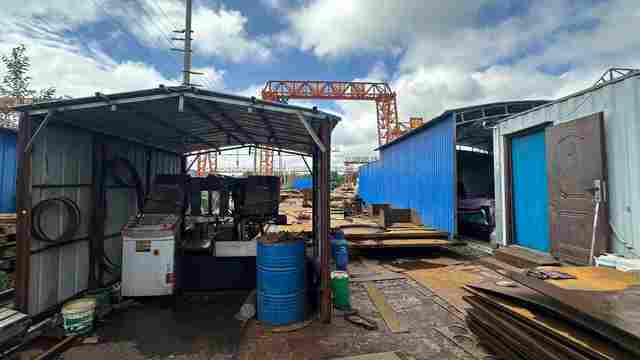
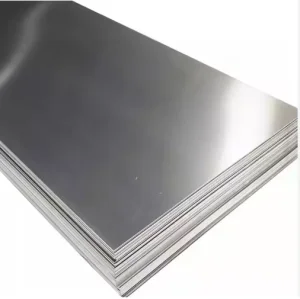
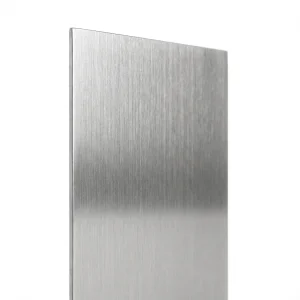
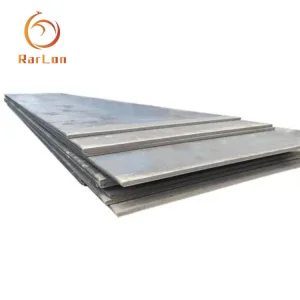
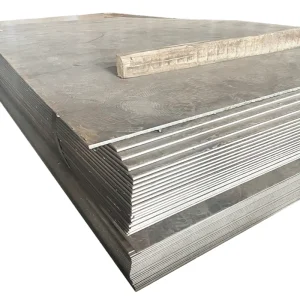
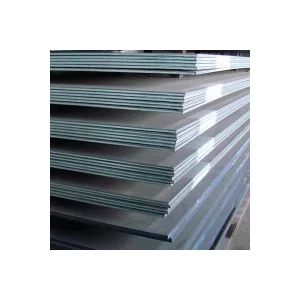
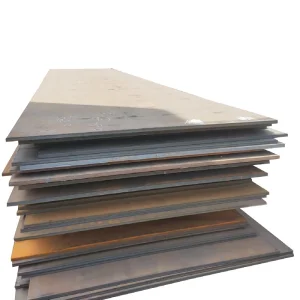
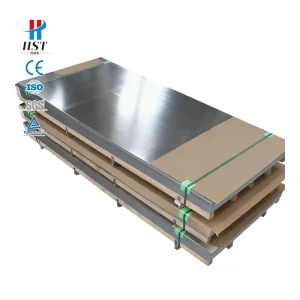
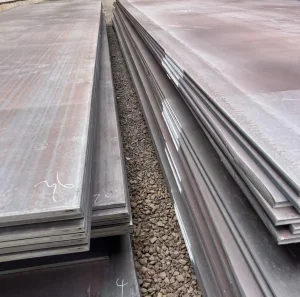
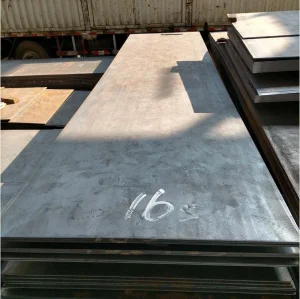
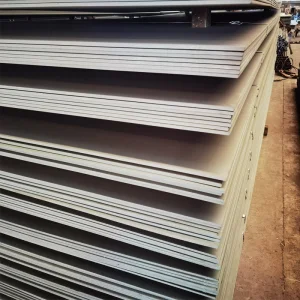
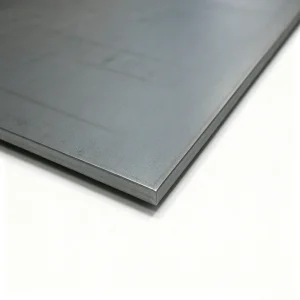
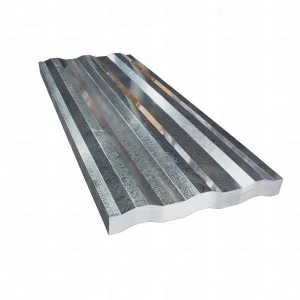
Explore our complete selection of certified hot-rolled carbon plates, cold-rolled sheets, and marine-grade stainless steel options.
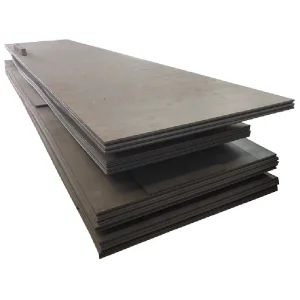
Expert answers regarding standards, chemical composition, logistics to European ports, and customization capabilities.
Optimize your project supply chain. Request a comprehensive quote, mechanical testing data, or classification certificates for your next offshore or shipbuilding project.
Send Inquiry Now Puppet Steel