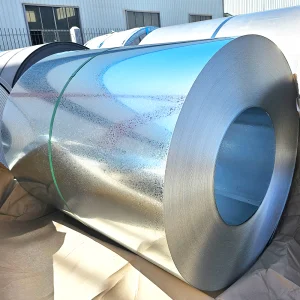
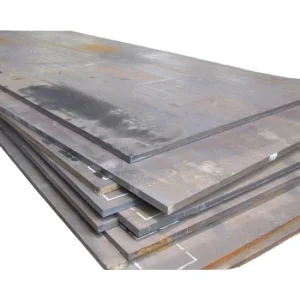
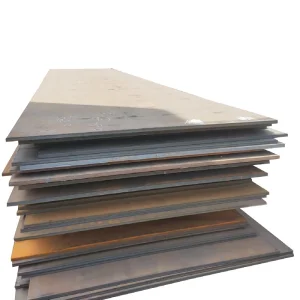
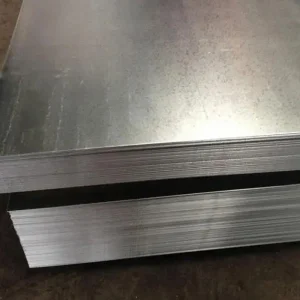
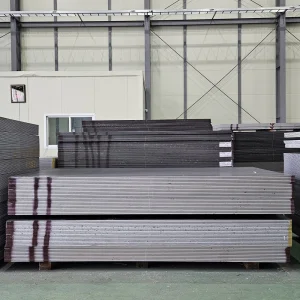
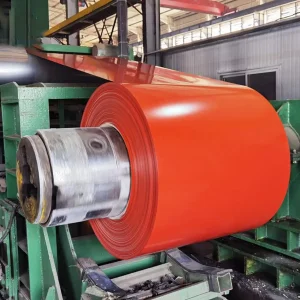
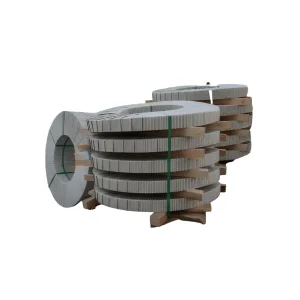
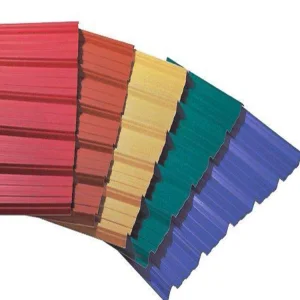
Explore our certified, precision-manufactured metal sheets, coils, and customized architectural structural products engineered for international standards.
In the contemporary metallurgical ecosystem, Aluminium Strips have emerged as a foundational material bridging structural reliability and thermal efficiency. Unlike standard sheets, aluminium strips are narrow coils cut from larger rolls, processing high dimensional uniformity and optimized edge profiles. As industries migrate toward lightweighting, electromagnetic efficiency, and high corrosion resistance, these strips represent a multi-billion dollar segment within non-ferrous manufacturing. Globally, they are critical components in automotive systems, battery casings, electric power transformers, and heat exchange systems.
"With the global push toward carbon neutrality, the integration of lightweight aluminium strips has witnessed an unprecedented compound annual growth rate, replacing traditional heavier metals like copper and steel across critical engineering sectors."
From an industrial perspective, the requirement for CE Certified Aluminium Strips is paramount. The CE marking indicates conformity with European Union health, safety, and environmental protection standards. For global procurement officers and EPC (Engineering, Procurement, and Construction) contractors, sourcing from a CE certified factory is not merely a regulatory checkbox; it is a guarantee of alloy composition uniformity, structural integrity under high fatigue stress, and compliance with strict RoHS directives. Without such validation, metals used in electrical systems or building facades risk catastrophic failures due to premature thermal aging or stress corrosion cracking.
The global aluminium strip market is undergoing rapid transformations driven by metallurgical innovations. The first major trend is the development of next-generation alloys. In the past, basic 1xxx series alloys (such as 1050 and 1060) dominated the market for electrical applications due to their high purity (minimum 99.5% aluminium). Today, the market demands high-performance 3xxx, 5xxx, and 8xxx series alloys. These formulations introduce controlled amounts of manganese, magnesium, and iron to achieve superior tensile strength, greater elongation, and increased fatigue limits, making them ideal for the rigorous demands of electric vehicle (EV) battery packs and deep-drawn parts.
Secondly, sustainability has shifted from a corporate social responsibility initiative to a core commercial driver. Recycled or "low-carbon" aluminium strips are in high demand. Leading factories are upgrading their casting technologies to incorporate post-consumer scrap without compromising purity levels. This processing cycle saves up to 95% of the energy compared to primary aluminium smelting, enabling OEMs to drastically lower their Scope 3 greenhouse gas emissions. Concurrently, precision tension leveling and advanced burr-free slitting processes have become standard practices. Minimal edge burrs prevent electrical short circuits in wound foil transformers and avoid puncture hazards in mechanical heat exchanger fins.
Aluminium strips function as the circulatory system of modern infrastructure. We look at how different industries leverage these specialized materials.
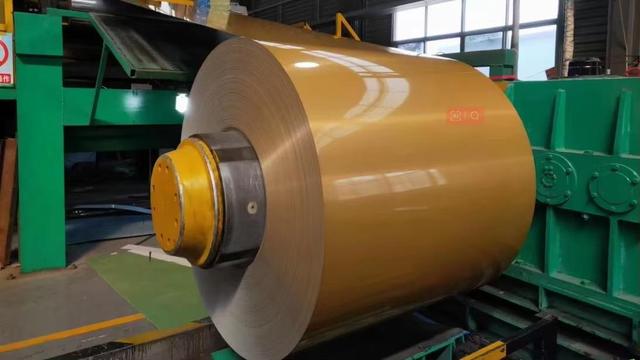
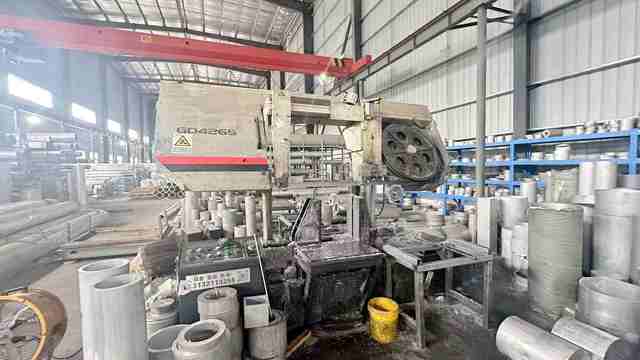
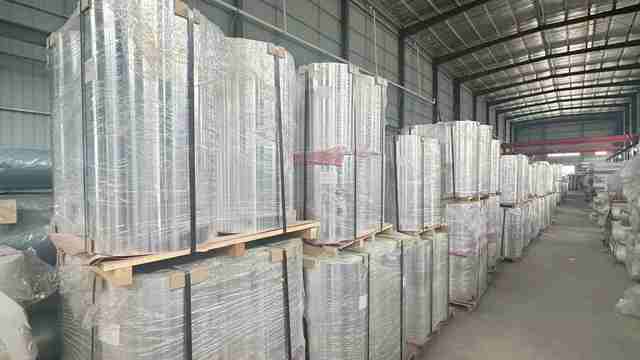
Achieving structural reliability in aluminium strip production requires state-of-the-art technological pipelines. At our advanced Ningbo fabrication plant, the processing sequence is strictly regulated, monitoring chemical inputs down to parts-per-million levels. The metallurgical roadmap begins with controlled-atmosphere melting furnaces, where alloying elements like iron, manganese, and copper are systematically introduced. Once verified by spectrometer analysis, the molten alloy undergoes continuous casting or direct-chill casting to form uniform slabs. The subsequent hot and cold rolling processes reduce the metal thickness while maintaining tight grain structures and consistent mechanical properties across the entire length of the coil.
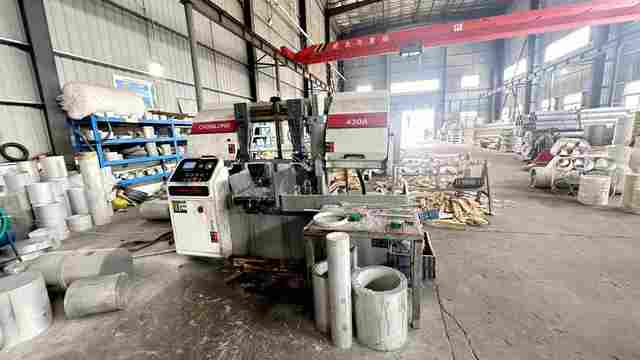
The post-rolling processing defines the product's ultimate adaptability. High-precision tension leveling units eliminate shape defects like center waves and wavy edges, ensuring a flat plane that is critical for automated feeding in downstream manufacturing. Slitting is performed by ultra-hard tungsten carbide rotary knives configured to control burrs and edge deformation. Following slitting, the material is annealed under protective gas atmospheres (such as nitrogen or argon) to produce specific tempers: O (annealed soft), H14 (half hard), or H18 (fully hard). Every coil batch is accompanied by Mill Test Certificates (MTC) matching EN 10204 3.1 standards, providing clients with full traceability of chemical inputs and mechanical tension characteristics.
Ningbo Puppet Steel Co., Ltd. is a professional Steel Sheet Manufacturer | Cold Rolled, Hot Rolled & Galvanized Steel Supplier committed to providing high-quality steel products and customized metal solutions for customers worldwide. Serving industries such as construction, infrastructure, manufacturing, automotive, energy, home appliances, and industrial equipment, the company has built a strong reputation for reliable products and consistent service.
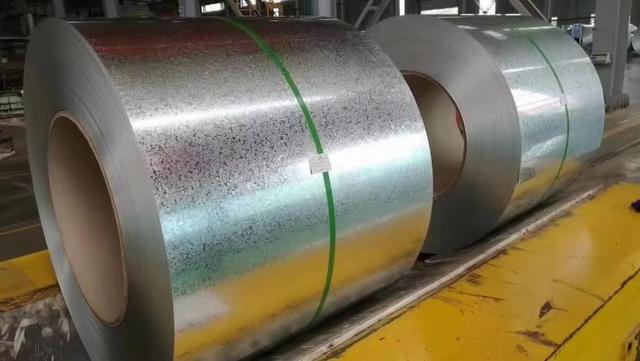
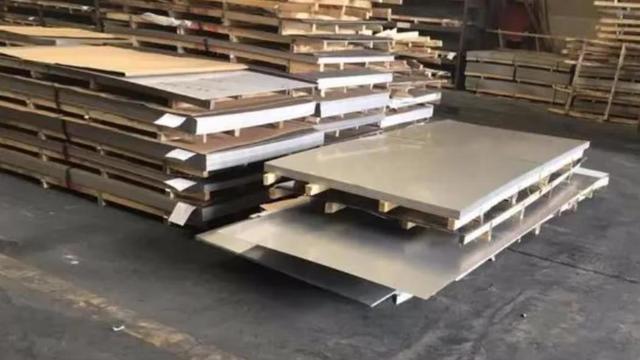
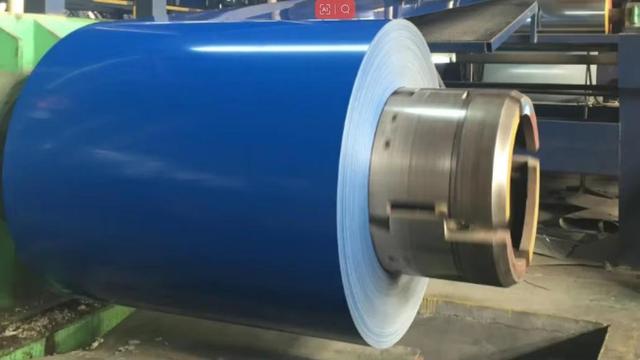
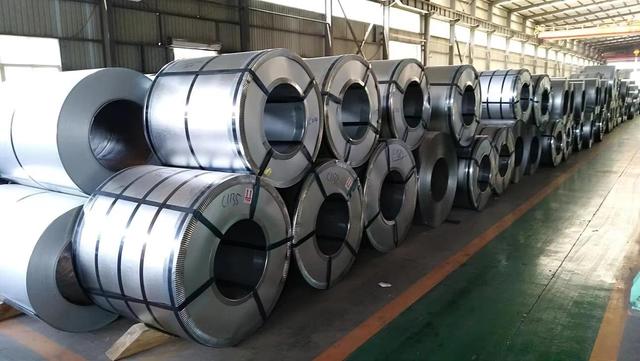
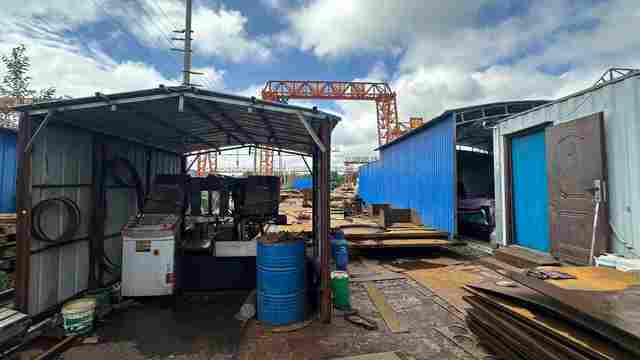
Located in Ningbo, China, Puppet Steel operates advanced processing and manufacturing facilities equipped with modern production lines and precision quality inspection systems. The company specializes in a comprehensive range of steel products, including cold rolled steel sheets, hot rolled steel sheets, galvanized steel sheets, galvalume steel sheets, prepainted steel sheets, carbon steel sheets, structural steel sheets, and customized steel processing solutions.
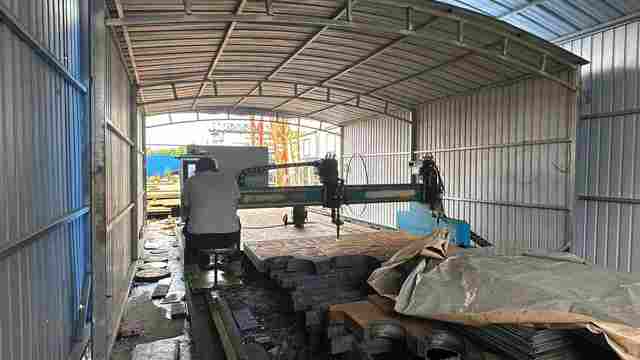
With extensive industry experience, the company offers flexible OEM and customized manufacturing services to meet various project requirements. From material selection and cutting to surface treatment and packaging, every production stage is carefully managed to ensure product consistency, dimensional accuracy, and long-term performance. Strict quality control procedures are implemented throughout the manufacturing process to comply with international standards and customer specifications.
Puppet Steel focuses on delivering durable, corrosion-resistant, and cost-effective steel products suitable for demanding applications in both domestic and international markets. The company maintains long-term partnerships with contractors, distributors, wholesalers, fabricators, and industrial manufacturers across North America, Europe, Southeast Asia, the Middle East, and other global regions.
Driven by innovation, quality, and customer satisfaction, Ningbo Puppet Steel Co., Ltd. continuously invests in technology upgrades and production efficiency improvements. Through competitive pricing, stable supply capacity, timely delivery, and professional technical support, the company strives to become a trusted global partner for steel sheet manufacturing and metal material solutions.
Review the essential questions global purchasing directors ask when sourcing CE certified non-ferrous and ferrous materials.
Browse our selection of specialized industrial sheets, heavy carbon plates, and pultruded systems designed for high-stress deployments.
 Puppet Steel