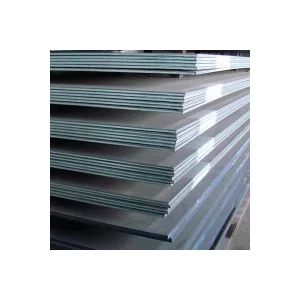
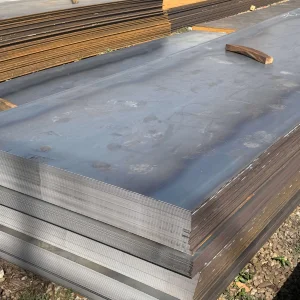
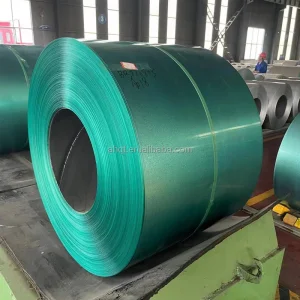
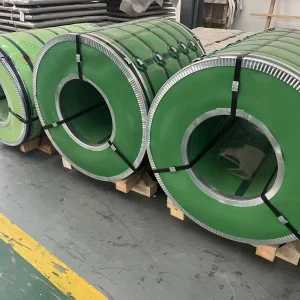
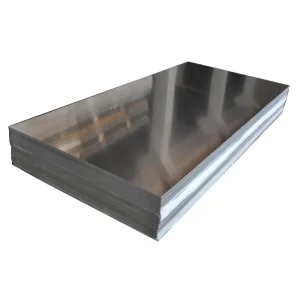
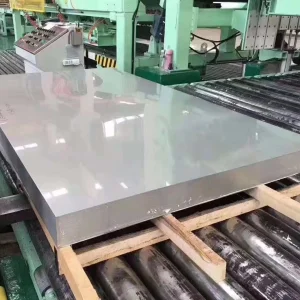
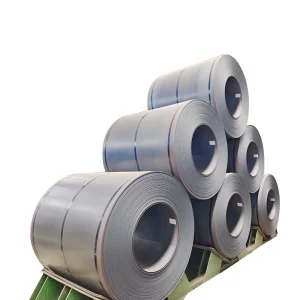
In modern structural engineering and global manufacturing, selecting materials with optimal yield-to-weight ratios is critical. High Strength Steel (HSS) Coils and Advanced High Strength Steels (AHSS) represent a transformative leap forward. Unlike conventional low-carbon structural steels, HSS is specifically engineered with micro-alloying elements—such as niobium (Nb), vanadium (V), titanium (Ti), and nitrogen (N)—combined with advanced rolling processes like Thermomechanical Controlled Processing (TMCP).
The fundamental goal is to achieve elevated yield strength (ranging from 355 MPa up to over 1100 MPa) while maintaining necessary ductility, toughness, and excellent weldability. This unique microstructural design allows projects to achieve significant down-gauging. Designers can specify thinner gauges without sacrificing safety limits, thereby reducing total structural weight, lowering fuel consumption in transport fleets, and minimizing welding costs.
Utilizes micro-addition of Nb, V, and Ti to achieve grain refinement and precipitation strengthening. Commonly supplied under EN 10149-2 standards (S355MC to S700MC).
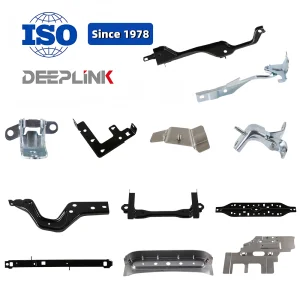
Featuring multiphase microstructures (Dual-Phase DP, Complex-Phase CP, Martensitic MS). Perfect for crash-resistant automotive components.
Yield strengths typically starting at 460 MPa up to 960 MPa. Used heavily in crane booms, yellow goods, and heavy-duty transportation chassis.
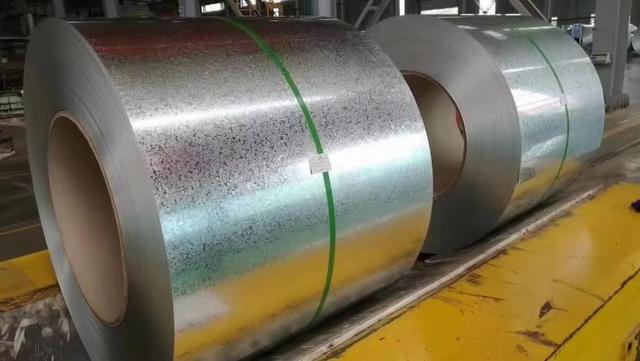
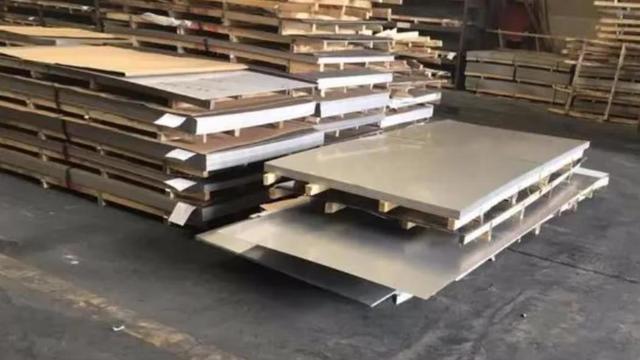
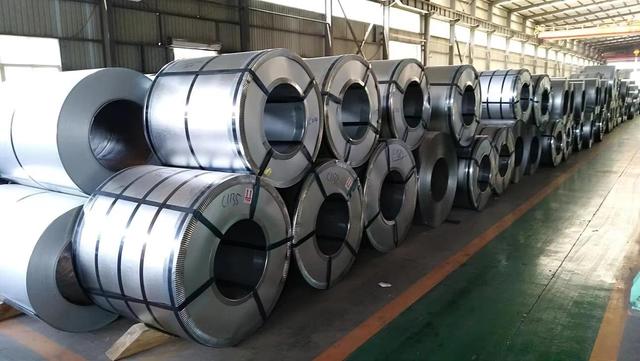
Ningbo Puppet Steel Co., Ltd. is a professional Steel Sheet Manufacturer | Cold Rolled, Hot Rolled & Galvanized Steel Supplier committed to providing high-quality steel products and customized metal solutions for customers worldwide. Serving industries such as construction, infrastructure, manufacturing, automotive, energy, home appliances, and industrial equipment, the company has built a strong reputation for reliable products and consistent service.
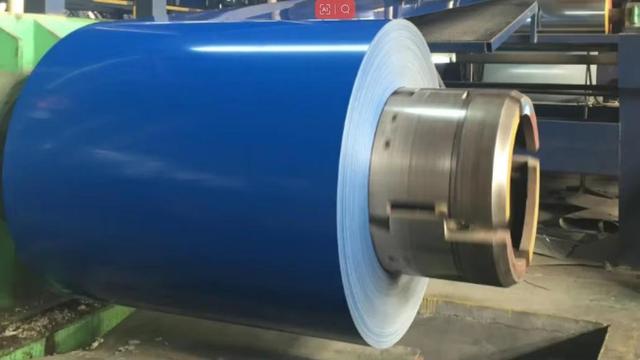
Located in the strategic industrial hub of Ningbo, China, Puppet Steel operates advanced processing and manufacturing facilities equipped with modern production lines and precision quality inspection systems. The company specializes in a comprehensive range of steel products, including cold rolled steel sheets, hot rolled steel sheets, galvanized steel sheets, galvalume steel sheets, prepainted steel sheets, carbon steel sheets, structural steel sheets, and customized steel processing solutions.
With extensive industry experience, the company offers flexible OEM and customized manufacturing services to meet various project requirements. From material selection and cutting to surface treatment and packaging, every production stage is carefully managed to ensure product consistency, dimensional accuracy, and long-term performance. Strict quality control procedures are implemented throughout the manufacturing process to comply with international standards and customer specifications.
Puppet Steel focuses on delivering durable, corrosion-resistant, and cost-effective steel products suitable for demanding applications in both domestic and international markets. The company maintains long-term partnerships with contractors, distributors, wholesalers, fabricators, and industrial manufacturers across North America, Europe, Southeast Asia, the Middle East, and other global regions. Driven by innovation, quality, and customer satisfaction, Ningbo Puppet Steel Co., Ltd. continuously invests in technology upgrades and production efficiency improvements.
The development of high strength steel coils follows a highly specialized technical roadmap. Traditionally, increasing steel strength meant adding carbon, which severely reduced weldability and impact toughness. Modern metallurgy overcomes this limitation through advanced processing routes:
By controlling the temperature during deformation (rolling) and the subsequent cooling rate, we achieve an ultra-fine ferrite grain size. This microstructural refinement is the only strengthening mechanism that simultaneously improves yield strength and low-temperature impact toughness.
Adding precise fractions (less than 0.15% combined weight) of niobium, vanadium, and titanium creates nano-scale carbide and nitride precipitates. These precipitates pin grain boundaries during recrystallization, locking in the high-strength state.
As the industry looks forward, the focus is on 3rd generation AHSS. These steels use complex multi-phase microstructures to deliver high strength and elongation simultaneously, resolving the traditional trade-off. This allows complex stamping parts to be produced from ultra-high-strength grades without tearing or cracking.
Depending on geographic and industry-specific requirements, the application parameters for high-strength steel vary significantly. Below are the primary industrial environments where our HSS coils and sheets deliver optimal return on investment (ROI):
Used in vehicle chassis, semi-trailer frames, and tipper bodies. Specifying grades like S700MC allows fleet manufacturers to strip out up to 30% of structural deadweight, directly converting that weight savings into legal cargo capacity.
Demanding ocean environments require structural grade marine steel plates such as Q460C or Q550D. These plates undergo specialized anti-rust treatments and retain structural ductility at sub-zero temperatures (-20°C to -40°C).
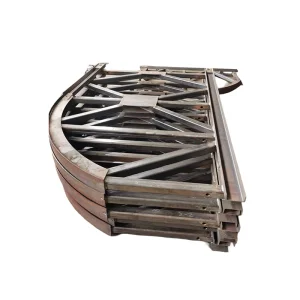
Temporary and rapid-deployment bridges—such as the 345B Steel 321 Bailey Panel systems—rely on structural high-strength steel. This provides the structural load rating to support heavy civil traffic while maintaining modular portability.
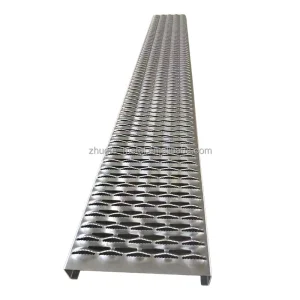
Other notable applications include solar racking structures exposed to high wind loads, industrial storage silos, and protective walkway sheets designed to carry heavy rolling loads in chemical and wastewater treatment plants.
In the B2B supply chain, price per ton is only one part of the equation; delivery reliability and quality consistency are what protect operating margins. Ningbo Puppet Steel Co., Ltd. leverages a highly robust logistics network to ensure consistent material delivery:
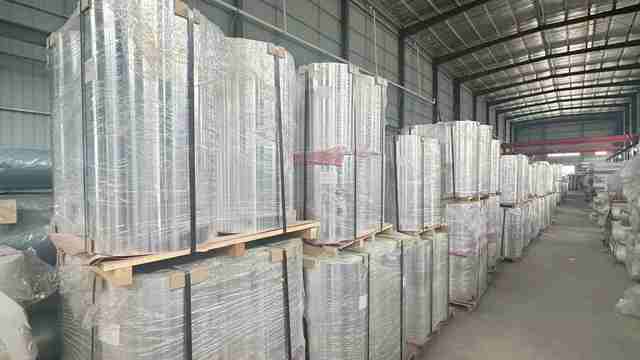
Our manufacturing and warehouse facilities are located in Ningbo, home to one of the world's leading deep-water ports. This proximity reduces domestic transportation costs, lowers handling risks, and shortens transit times from the factory to the vessel.
Puppet Steel maintains deep relationships with tier-1 domestic primary steel producers (such as Baosteel, Ansteel, and Shougang). This integration ensures we have access to high-quality slab inputs even during raw material shortages.
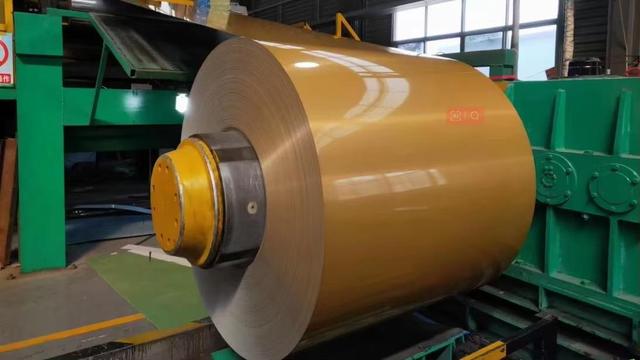
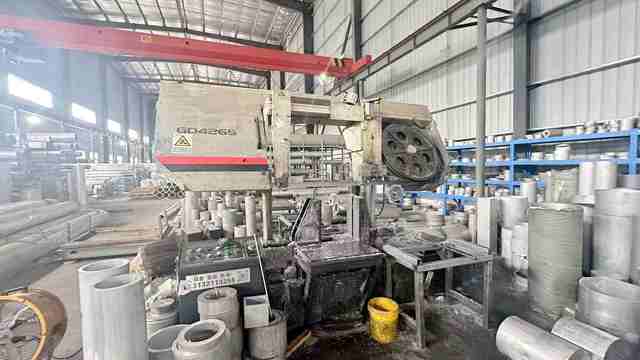
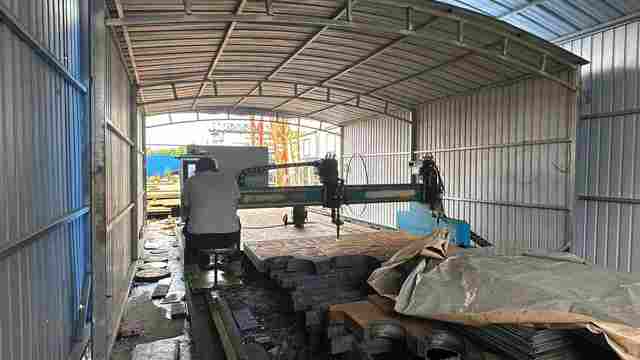
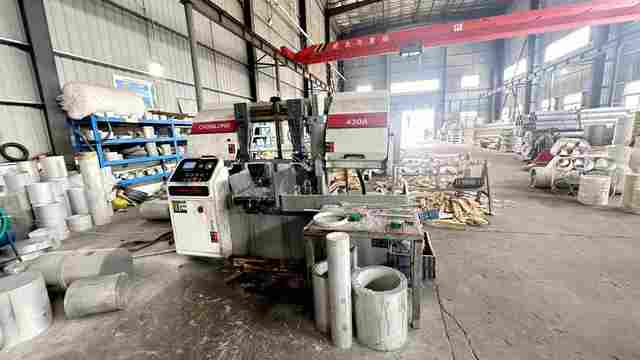
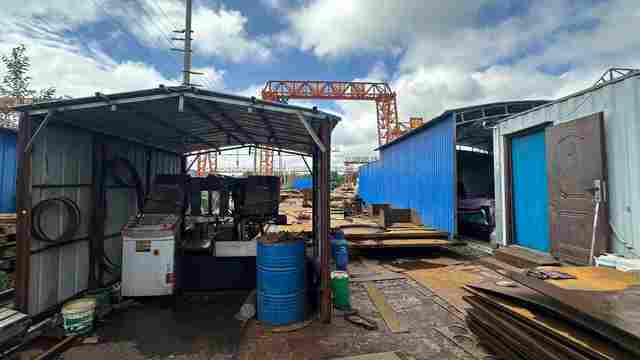
By controlling the slitting, leveling, shearing, and surface treatment lines internally, we avoid third-party delays. Standardized workflows ensure that custom width and length specifications are held to strict tolerances.
The international market for High Strength Steel Coils is evolving rapidly due to global structural trends. In regions like North America and Europe, strict carbon accounting and energy efficiency directives drive the demand for lighter structural components. The implementation of the Carbon Border Adjustment Mechanism (CBAM) makes it essential for steel supplies to carry clear trace-data regarding manufacturing efficiency.
Additionally, the rapid scaling of infrastructure in Southeast Asia and the Middle East has intensified demand for structural-grade carbon steel plate and zinc-coated options like DX51D galvanized sheets. High-strength steel ensures structures in highly seismic regions or deep-desert environments maintain structural integrity while using less total tonnage, reducing transportation costs and construction labor on-site.
To assist design engineers, procurement officers, and quality control departments, below is a reference table outlining the mechanical profiles and standard classifications of common HSS and structural steels supplied by Puppet Steel:
| Steel Grade Designation | Yield Strength (Min, MPa) | Tensile Strength (MPa) | Elongation (A5, Min %) | International Standard Equivalent |
|---|---|---|---|---|
| Q345B / S355JR | 345 MPa | 470 - 630 MPa | 22% | ASTM A572 Gr. 50 / EN 10025-2 |
| Q460C / S460QL | 460 MPa | 550 - 720 MPa | 17% | EN 10025-6 (Quenched & Tempered) |
| S500MC (HSLA) | 500 MPa | 550 - 700 MPa | 14% | EN 10149-2 (Micro-alloyed) |
| Q550D / S550QL | 550 MPa | 610 - 780 MPa | 16% | ASTM A514 Grade H / EN 10025-6 |
| S700MC (HSLA) | 700 MPa | 750 - 950 MPa | 12% | EN 10149-2 (Micro-alloyed) |
Every batch of material processed at our facilities is supplied with a comprehensive Mill Test Certificate (MTC) conforming to EN 10204 3.1 or 3.2 parameters, verifying chemical composition (Ladle analysis) and mechanical testing results.
 Puppet Steel