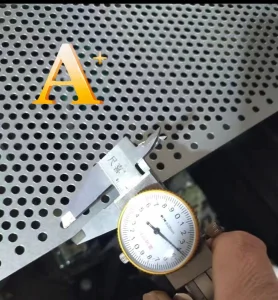
Engineered specifically to survive high salinity atmospheric exposure in Kiribati's coastal infrastructure projects.
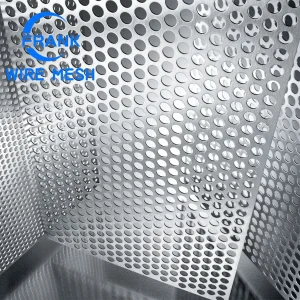
An engineering guide to using perforated structural elements under high-corrosivity atmospheric marine parameters.
The Republic of Kiribati, situated in the central Pacific Ocean, experiences one of the world's most aggressive atmospheric environments. With its low-lying atolls (like South Tarawa, Betio, and Kiritimati) constantly exposed to maritime spray, high humidity, and trade winds, construction materials are prone to rapid degradation. In steel applications, this environment is classified under the ISO 9223 C5-M (Marine) classification.
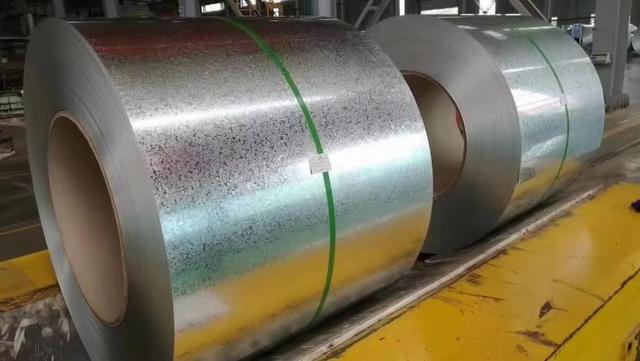
Standard carbon steel without highly specialized coatings will oxidize rapidly in these regions. Standard building projects, water purification infrastructure, and coastal defense structures require perforated metal sheets that combine structural load capacity with high chemical stability. This necessitates the use of hot-dip galvanized steel with thick zinc layers (minimum Z275, preferably Z600) or marine-grade stainless steels such as SS316L.
Through programs like the Kiribati Adaptation Program (KAP) and the Kiribati Outer Islands Transport Infrastructure Project (KOITI), public works agencies are prioritizing resilient materials for bridge walkways, coastal breakwaters, seawater desalinization intake filters, and sun-shading facades for civic buildings. The demand is expanding rapidly for structural metal panels that allow airflow to reduce wind load on buildings while resisting salt crusting and pitting corrosion.
As a global supplier, Ningbo Puppet Steel Co., Ltd. supports the South Pacific region by providing specialized alloy variations that guarantee service lifespan extensions of up to 25 years under high UV and salt spray exposure.
Ningbo Puppet Steel Co., Ltd. is a professional Steel Sheet Manufacturer | Cold Rolled, Hot Rolled & Galvanized Steel Supplier committed to providing high-quality steel products and customized metal solutions for customers worldwide. Serving industries such as construction, infrastructure, manufacturing, automotive, energy, home appliances, and industrial equipment, the company has built a strong reputation for reliable products and consistent service.
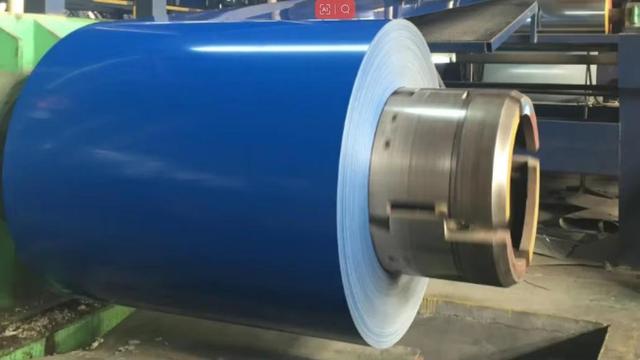
Located in Ningbo, China, Puppet Steel operates advanced processing and manufacturing facilities equipped with modern production lines and precision quality inspection systems. The company specializes in a comprehensive range of steel products, including cold rolled steel sheets, hot rolled steel sheets, galvanized steel sheets, galvalume steel sheets, prepainted steel sheets, carbon steel sheets, structural steel sheets, and customized steel processing solutions.
With extensive industry experience, the company offers flexible OEM and customized manufacturing services to meet various project requirements. From material selection and cutting to surface treatment and packaging, every production stage is carefully managed to ensure product consistency, dimensional accuracy, and long-term performance. Strict quality control procedures are implemented throughout the manufacturing process to comply with international standards and customer specifications.
Puppet Steel focuses on delivering durable, corrosion-resistant, and cost-effective steel products suitable for demanding applications in both domestic and international markets. The company maintains long-term partnerships with contractors, distributors, wholesalers, fabricators, and industrial manufacturers across North America, Europe, Southeast Asia, the Middle East, and other global regions.
Driven by innovation, quality, and customer satisfaction, Ningbo Puppet Steel Co., Ltd. continuously invests in technology upgrades and production efficiency improvements. Through competitive pricing, stable supply capacity, timely delivery, and professional technical support, the company strives to become a trusted global partner for steel sheet manufacturing and metal material solutions.
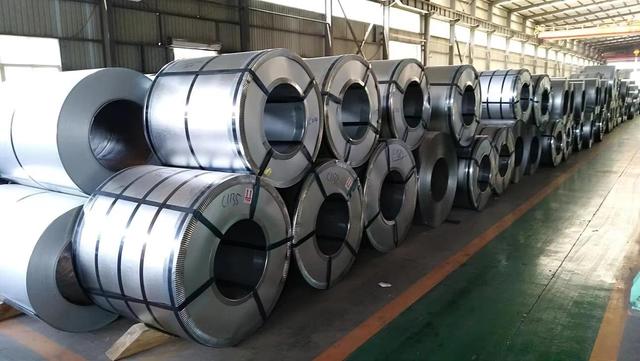
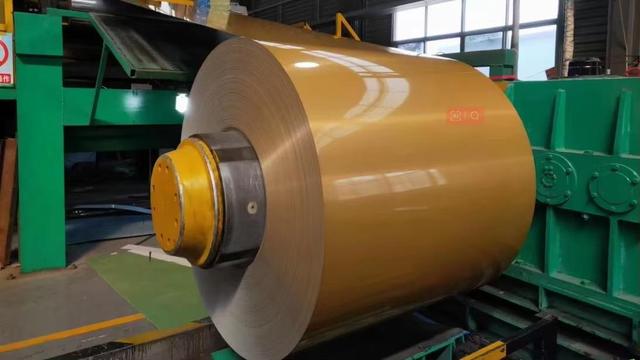
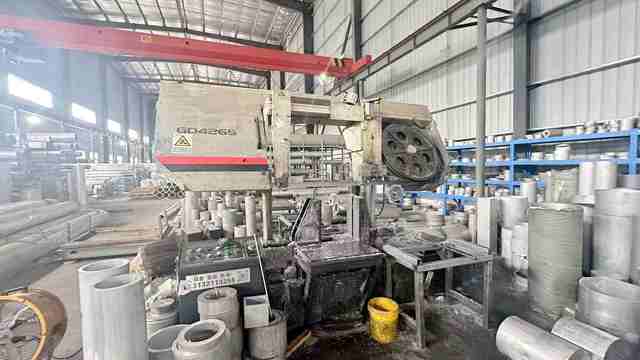
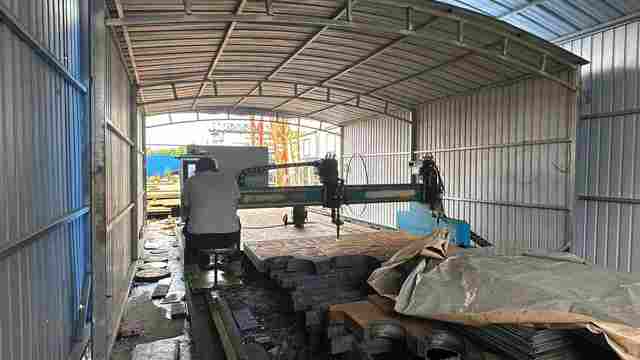
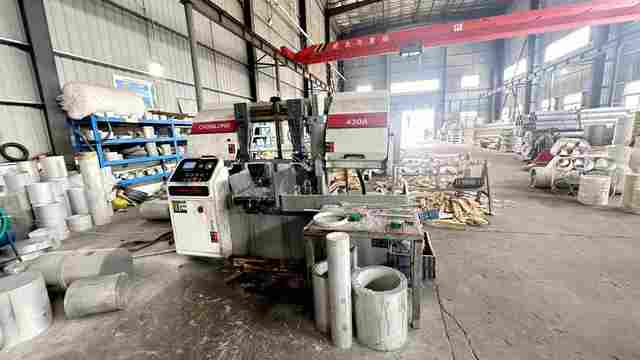
High-performance wire meshes, composite sheets, and marine-filtration equipment engineered to strict global standards.
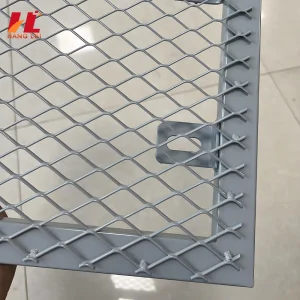
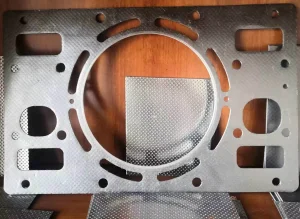
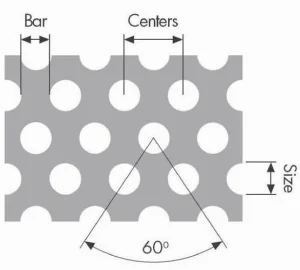
Selecting the correct perforation pattern is not only an aesthetic choice but also a critical mechanical decision. The relationship between hole size ($D$), pitch ($P$), and open area percentage ($OA\%$) determines both the structural integrity and the fluid dynamics (airflow or liquid filtration) of the sheet. Below is the formula used by our engineers to calculate the open area of standard 60-degree staggered round holes:
Where d is the hole diameter and p is the pitch (distance from center-to-center of adjacent holes). For heavy-duty coastal walkways, maintaining a load-bearing open area ratio of 30% to 45% is ideal to prevent hydro-lifting forces during high-tide surges while preserving mechanical sheet stiffness.
| Base Alloy Material | Standard Pitch/Hole Pattern | Corrosion Resistance Class | Common Applications in Kiribati |
|---|---|---|---|
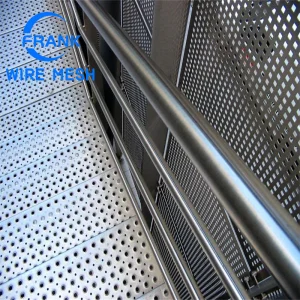
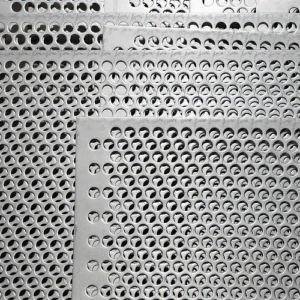
| Stainless Steel 316L (EN 1.4404) | 60° Staggered Round Holes | Extreme (High Molybdenum) | Sea Water Intake Filters, Coastal Bridges, Wharf Walkways |
| Hot-Dip Galvanized Z600 | Square & Rectangular Slotted | High (Thick Zinc Protection) | Public Infrastructure Balustrades, Drainage Grating |
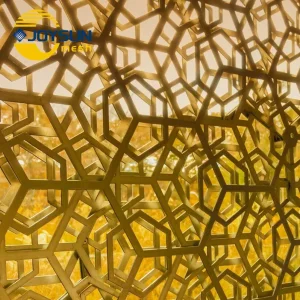
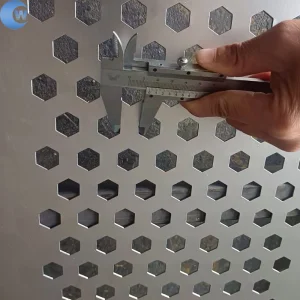
| Aluminum Alloy 5052-H32 | Hexagonal Decorative Pattern | High (Saltwater Passive Film) | Sunshades & Cladding Facades in Public Buildings |
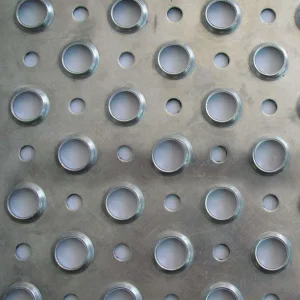
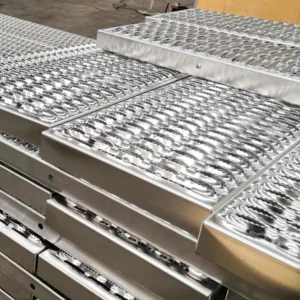
| Carbon Steel ASTM A36 | Crocodile-Tooth / Dimpled | Medium (Needs Epoxy Coating) | Anti-slip Stair Treads, Dry Machinery Enclosures |
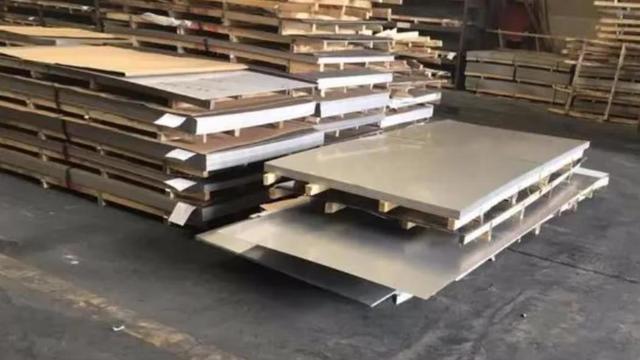
Shipping structural steel sheets to remote destinations such as Betio Port (Tarawa) or London (Kiritimati Island) requires strict attention to logistics and protective packing protocols. If shipped incorrectly, sea air trapped within shipping containers can trigger condensation corrosion (white rust on galvanized steel or surface staining on stainless steel) before the goods arrive at the destination port.
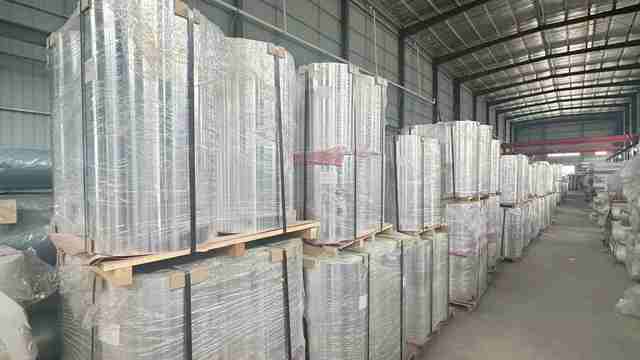
Every shipment processed by Ningbo Puppet Steel Co., Ltd. for the South Pacific market utilizes a multi-layer protective packaging strategy:
Select from our certified industrial catalog below. All items are customizable regarding material, thickness, and spacing.
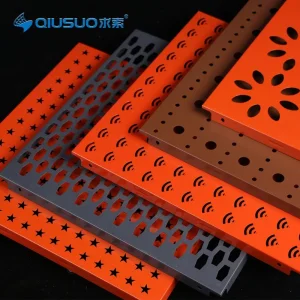
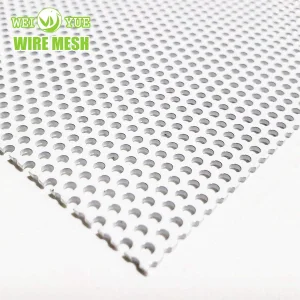
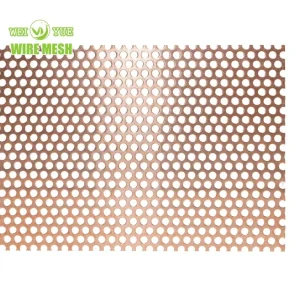
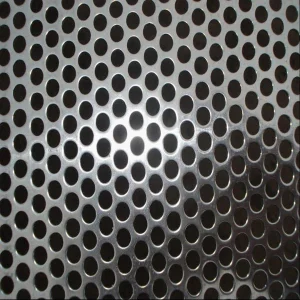
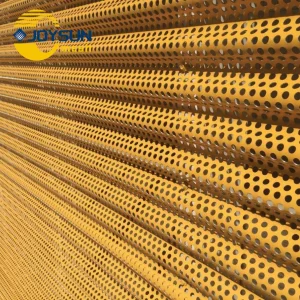
In response to global sea-level rises and climate adaptation needs, modern architectural design in Kiribati is shifting towards energy-efficient public structures. Bioclimatic design facades constructed from perforated aluminum or copper sheets are leading this revolution. These panels reduce direct sun exposure onto glass surfaces by up to 70%, decreasing energy costs for internal cooling systems while enabling natural trade-wind circulation.
Furthermore, rainwater harvesting has become a top priority in atolls with limited freshwater lenses. Specialty micro-hole perforated screens serve as primary filters in rainwater reservoir intakes across the Gilbert and Line Islands. By keeping leaves, small animals, and organic matter out of collection reservoirs, these rustproof screens help maintain safe drinking water standards.
Clear answers on mechanical properties, oceanic corrosion prevention, and maritime cargo shipping to Kiribati.
Get in touch with our engineering team for detailed structural quotes, material grade suggestions, and marine logistics packages designed for your Kiribati projects.
Send Inquiry Now Puppet Steel